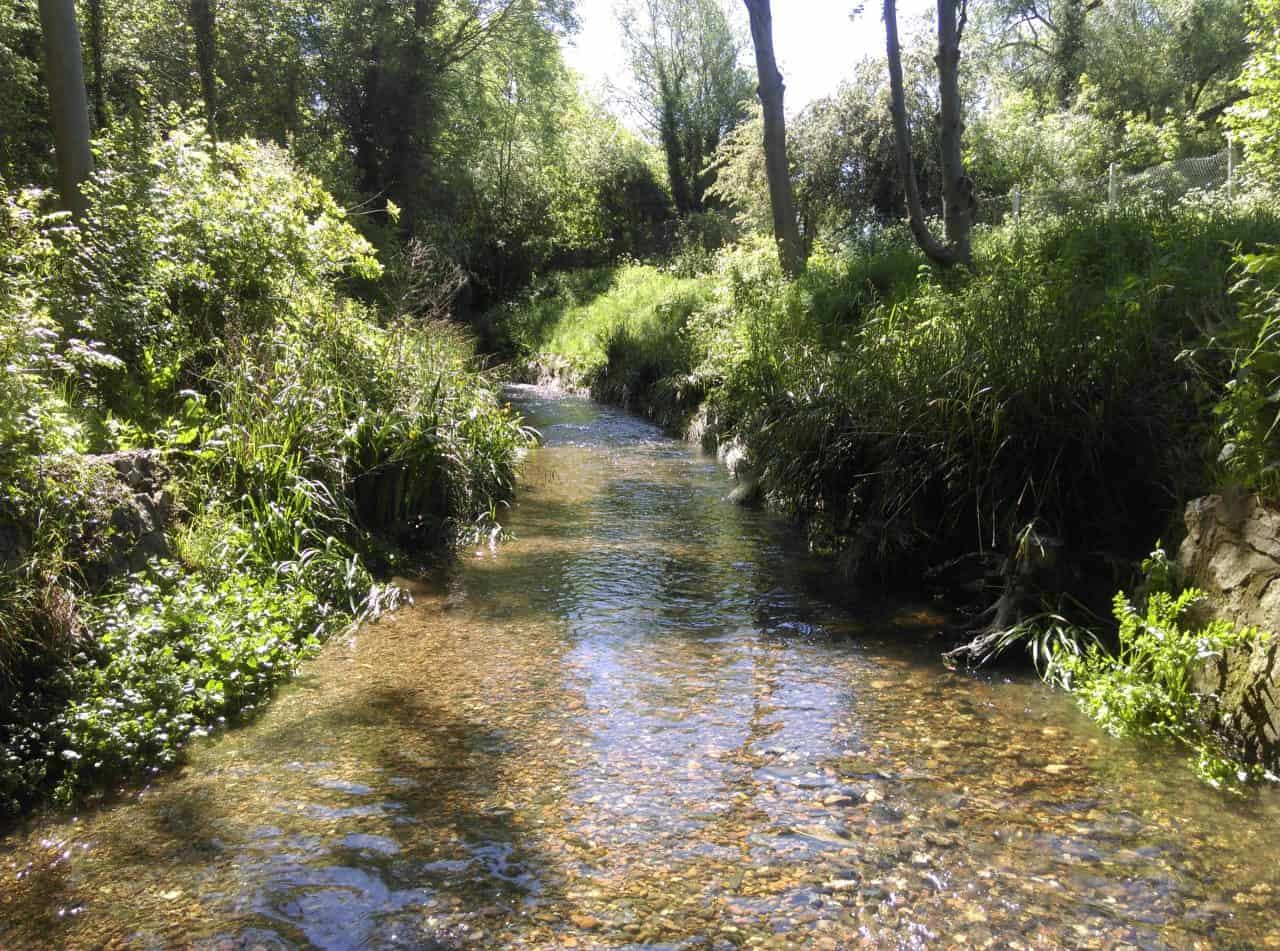
Preventing pollution and protecting the water environment
Our priority is always to prevent pollution from happening in the first place. Rivers and the wider water environment should be protected through strong regulation, responsible management and proactive measures that stop harm before it occurs.
When serious, repeated or avoidable pollution incidents occur, we are clear. The polluter should be prosecuted and held to account.
However, in some circumstances, when pollution incidents result from unintentional and unpredictable causes and are less serious, Enforcement Undertakings can provide an alternative legal mechanism.
An Enforcement Undertaking also applies the polluter pays principle. It requires organisations to take responsibility and contribute to putting right the environmental damage they have caused.
What are Enforcement Undertakings?
Enforcement Undertakings are voluntary but legally binding agreements between a polluter and the Environment Agency.
Through an Enforcement Undertaking, the organisation commits to:
- addressing the cause of the incident
- putting right the impact of the offence
- taking steps to reduce the risk of it happening again
If accepted, this can be used as an alternative to prosecution in specific circumstances set out in law.
How do Enforcement Undertakings support river restoration?
Enforcement Undertakings provide a mechanism for polluters to contribute directly to improving the environment following an incident.
This can include work that:
- restores river habitats and natural processes
- improves conditions for wildlife
- supports better water quality
- strengthens the resilience of rivers and surrounding landscapes
This means that action can be taken to repair or offset environmental harm, rather than leaving the damage unaddressed.
While work is often linked to the affected catchment, it is not always delivered at the exact site of the incident. Instead, the focus is on ensuring that the action taken provides meaningful environmental improvement that reflects the nature and scale of the harm.
How are Enforcement Undertakings different from fines?
When environmental offences are prosecuted, financial penalties are paid to the government and are not typically directed into restoring the affected environment.
Enforcement Undertakings are different. They require action that directly contributes to improving the environment, ensuring that the response to an incident results in practical benefits for rivers and habitats.
They can also enable action to happen sooner. Prosecutions can take several years to reach court, meaning that rivers and communities may wait a long time to see outcomes. Enforcement Undertakings can support earlier environmental improvement while still sitting within the wider regulatory framework.
Both approaches form part of the regulatory system and are applied based on the specific circumstances of each case.
Who decides whether an Enforcement Undertaking is accepted?
It is the role of the Environment Agency to decide whether an Enforcement Undertaking is appropriate.
They will only consider accepting one where:
- it is not in the public interest to prosecute
- the proposal addresses the impact and cause of the offence
- the outcome will protect, restore or enhance the environment
This ensures that Enforcement Undertakings are used within a clear legal and regulatory framework.
Our approach
We believe the most effective way to protect rivers and the wider water environment is to prevent pollution from occurring at all.
Where incidents do happen, we take a robust, evidence-led and precautionary approach to any involvement in work linked to Enforcement Undertakings.
In addition to regulatory oversight, we carry out our own due diligence to assess whether involvement in an Enforcement Undertaking is appropriate.
In most cases, we would only consider projects that relate to and directly benefit the watercourse affected by the offence or its wider catchment. Where appropriate, we would also seek to develop and deliver the work in partnership with affected communities and local organisations, including angling clubs.
This includes considering:
- the nature and scale of the incident
- the available evidence of environmental impact
- the actions taken to prevent recurrence
- whether the proposed project will deliver meaningful environmental benefit
We will only support projects where, based on expert judgement, the river will be healthier as a result of the actions delivered.
This ensures that the focus remains firmly on environmental recovery, with transparency and accountability guiding every decision.
Further information
If you would like to learn more about Enforcement Undertakings and how they are used across the sector, you can explore guidance from the Environment Agency.
Join the cause
Help us to revive rivers across the South East to their former glory and strengthen their resilience for people and nature.