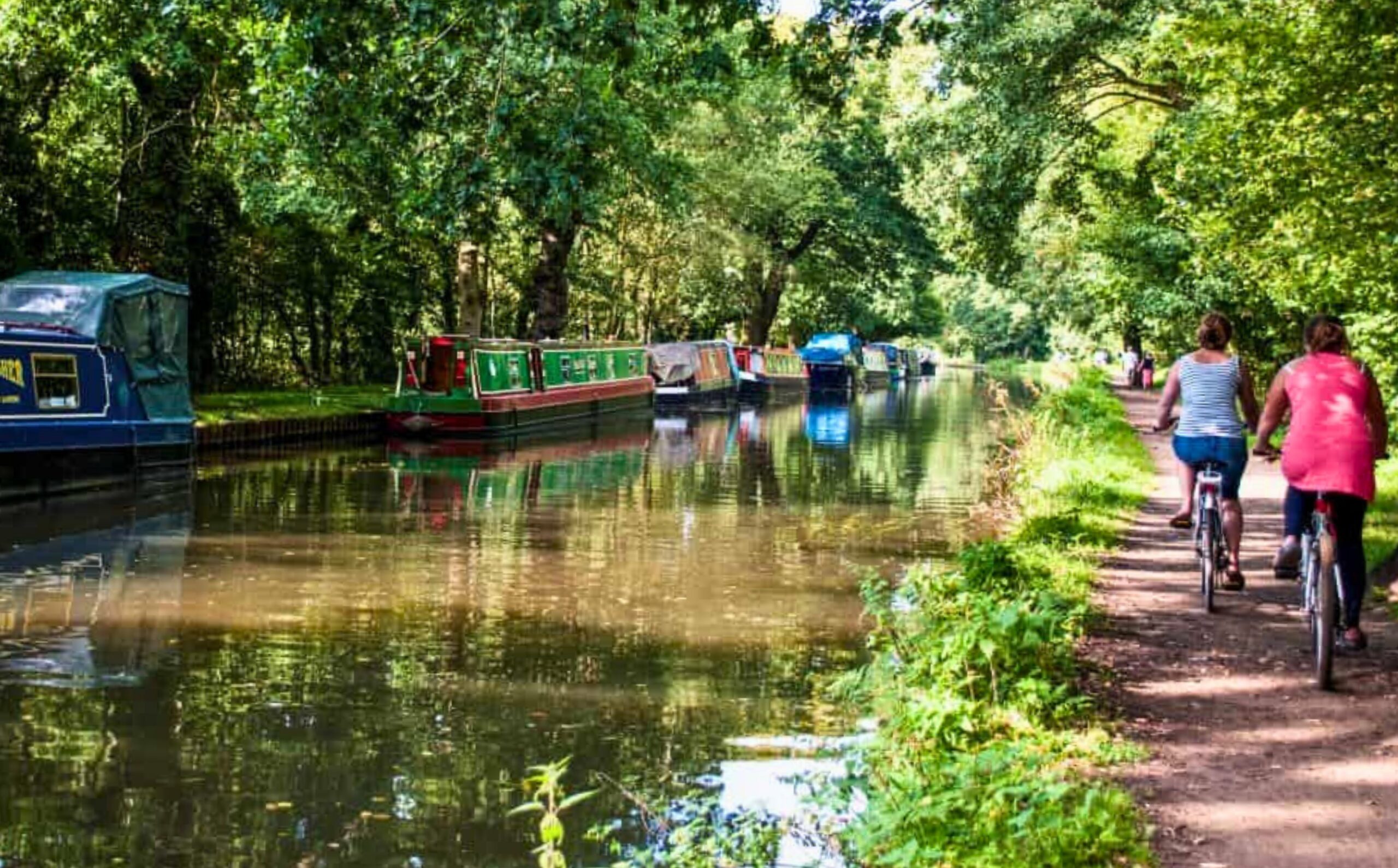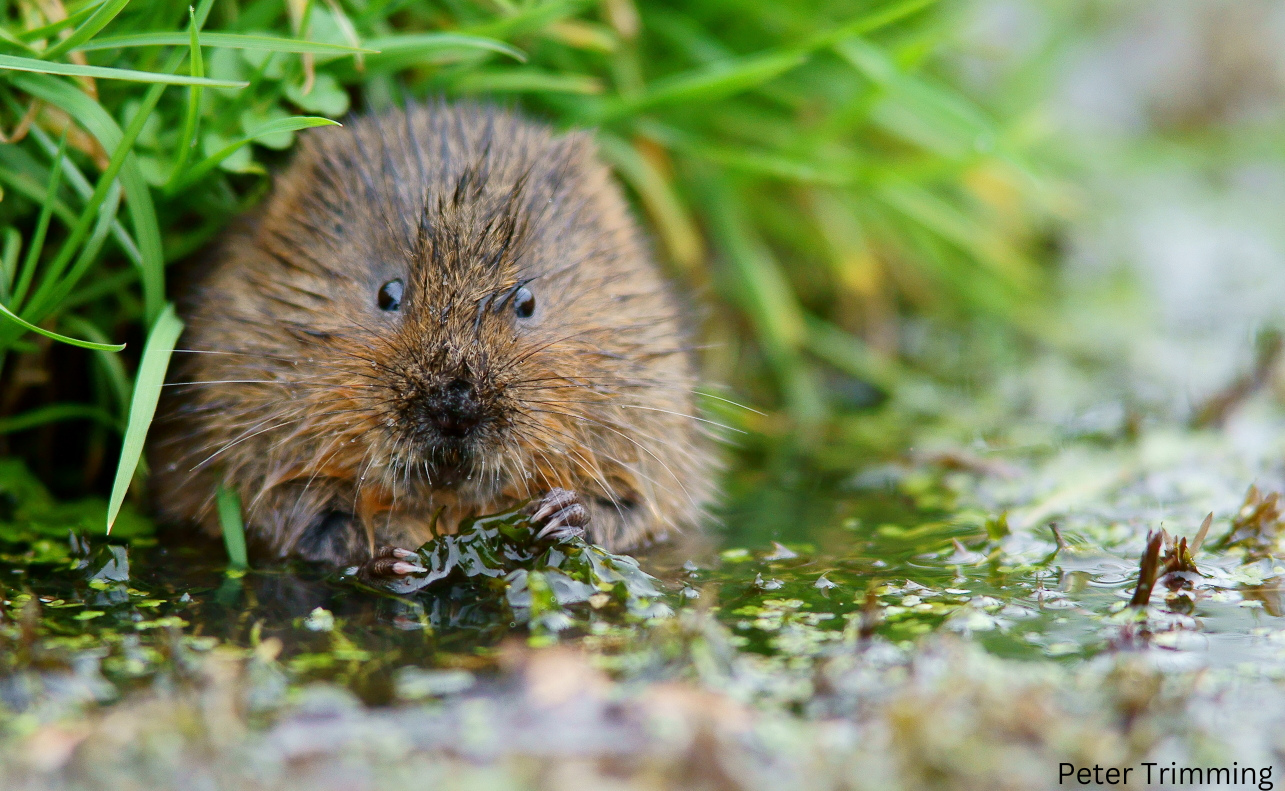
Water voles return to the River Wey after 20 years
Once a familiar sight — and sound — along riverbanks, the water vole is making a comeback on the River Wey catchment after being declared locally extinct.
This week, 150 water voles have been released at six carefully chosen sites across Surrey, Sussex and Hampshire. Over the next two years, the project aims to restore a sustainable population across 1,000 km² — an area equivalent to 1% of England, stretching from the South Downs to the Thames.
Why water voles matter
Water voles (Arvicola amphibius) are Britain’s fastest declining mammal. Their numbers fell by 93% during the 20th century, largely due to habitat loss and predation by non-native American mink.
But water voles are also a keystone species. They play a vital role in river ecosystems:
- Their grazing creates space for rare plants to grow.
- They provide food for predators such as otters and barn owls.
- Their burrowing helps shape riverbanks and habitats.
For many people, water voles are part of childhood memories, immortalised as Ratty in The Wind in the Willows. Hearing their distinctive ‘plop’ as they enter the water was once a common experience — one this project hopes to restore.
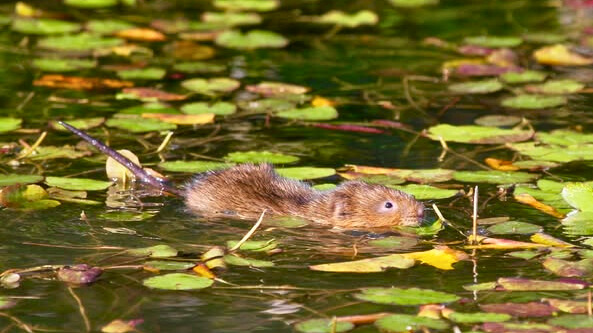
A water vole swimming in the River Wey © National Trust
Collaboration for rivers and wildlife
The project is led by the National Trust and the Environment Agency, with support from the River Wey Trust, the South East Rivers Trust, landowners, and local volunteers.
Funding comes from the Environment Agency’s Water Environment Improvement Fund, the National Trust, and the Black Down and Hindhead Supporters. Specialist breeding has been provided by Derek Gow Consultancy.
This collective effort is a powerful example of how people and organisations can work together to restore biodiversity at scale. As David Elliott, National Trust Lead Ranger, put it:
“We live in times when there is huge dismay and often a feeling of powerlessness over the state of our rivers. This project demonstrates how citizens, organisations and communities working together can make change happen across a whole landscape.”
SERT’s role
At the South East Rivers Trust, we’re proud to play our part in this landmark reintroduction. Our work focuses on restoring and reconnecting rivers across the region — from creating wetlands and removing barriers to fish migration, to supporting communities to get involved in river stewardship.
The return of water voles to the River Wey shows what’s possible when we combine expertise, local action, and partnership working. It’s rewilding in action — rivers brought back to life, for wildlife and people alike.
What’s next?
This release is the first step in a long-term programme. Over the coming years, water voles will be reintroduced at further sites, helping them to spread and thrive across the catchment.
It’s a milestone not just for the River Wey, but for rivers across the South East — proof that when we work together, we can reverse declines and restore nature at scale.
Discover the River Wey
Explore the River Wey catchment and learn how we’re working with partners to restore its rivers, wetlands and wildlife habitats.