Project overview
The Gatwick Airport Natural Flood Management (NFM) project is restoring natural processes across the Upper Mole catchment — helping to reduce flood risk, improve water quality and create new habitats.
Delivered in partnership with Gatwick Airport Ltd as part of its Decade of Change, this project demonstrates how collaborative action can build resilience for communities, wildlife and the wider environment.
By working in the headwaters of the River Mole, we are taking a catchment-scale approach to address the root causes of flooding and environmental decline.
Why it matters
The Upper Mole is a highly responsive, or “flashy”, river system. Urban runoff, modified channels and clay soils mean water moves rapidly through the catchment — increasing flood risk during heavy rainfall and reducing flows during dry periods.
This can:
- Increase flooding risk for downstream communities
- Put pressure on wastewater systems
- Reduce water quality
- Damage habitats for fish and wildlife
Through nature-based solutions, we are working to restore balance by slowing, storing and filtering water across the landscape.
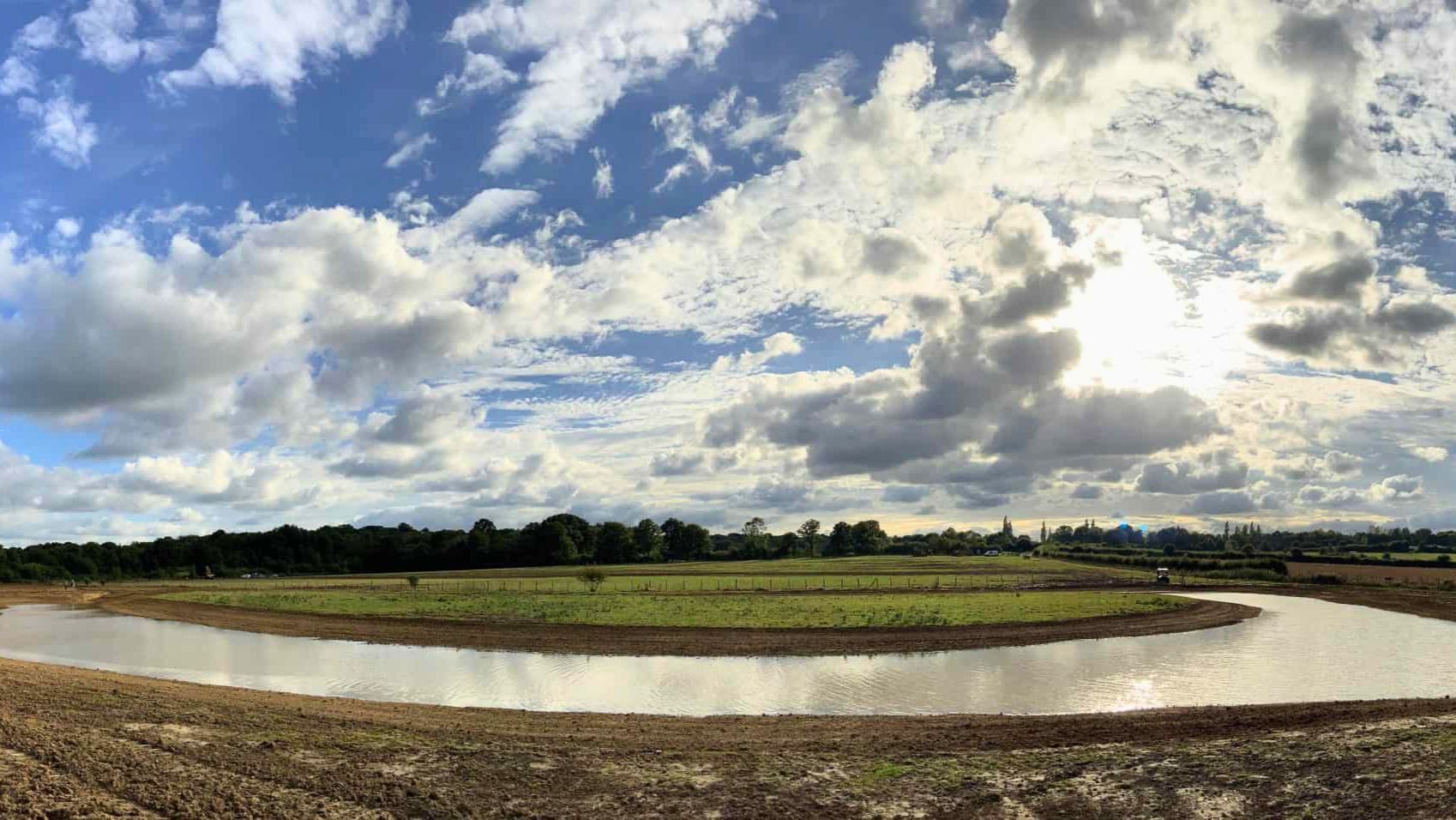
A large body of water in a field, forming flood plain restoration © South East Rivers Trust
Where we’re working
The project focuses on the headwaters of the River Mole, which include six waterbodies currently classified under the Water Framework Directive:
- 4 at moderate ecological status
- 2 at poor ecological status
Our initial focus is Baldhorns Brook, near Rusper — identified as a priority area with strong potential for early impact. Work will expand across the wider Upper Mole catchment over time.
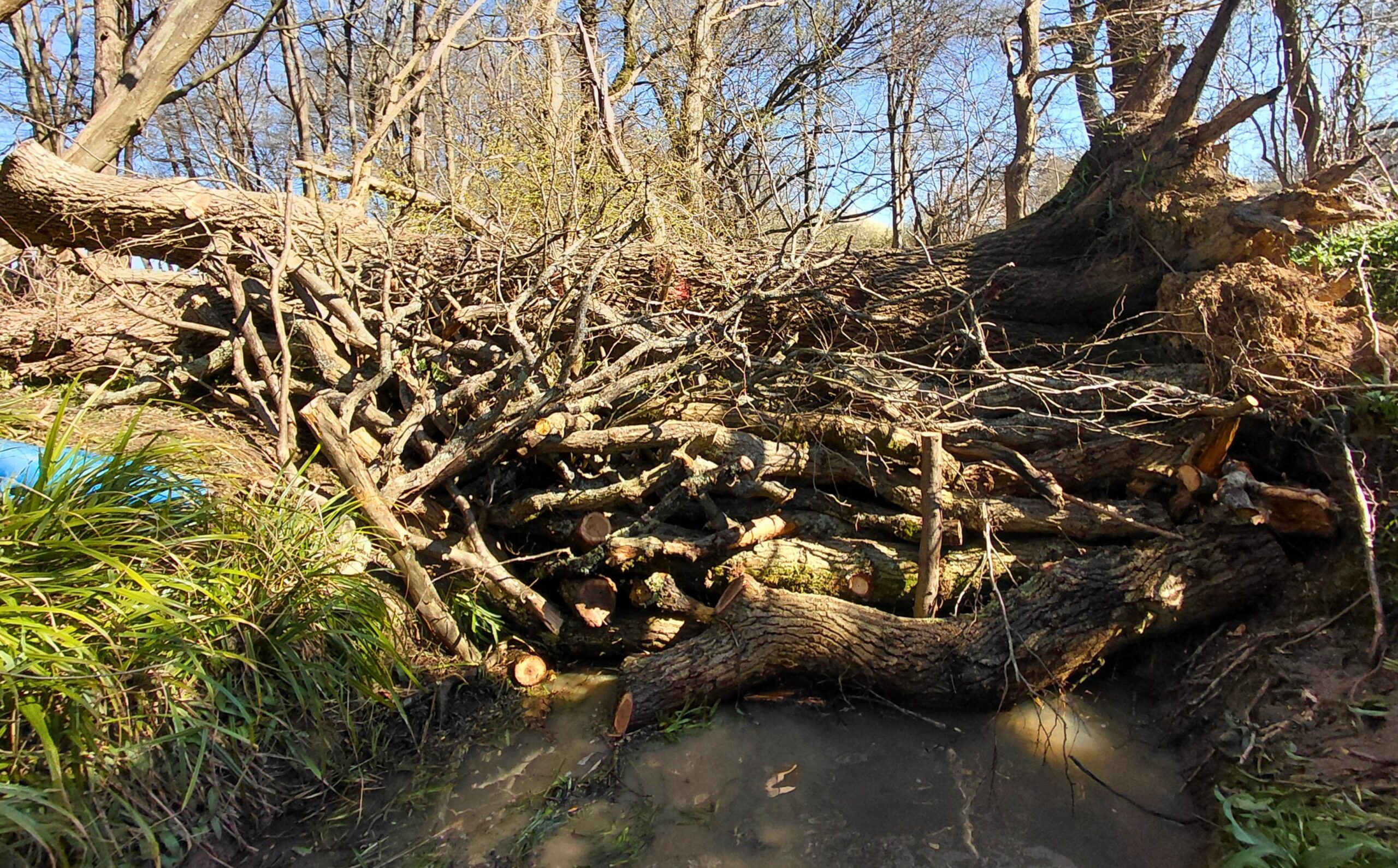
A leaky woody dam at the Gatwick Airport Natural Flood Management project © South East Rivers Trust
Our approach
We are using natural flood management techniques to:
- Slow the flow of water during rainfall
- Reduce peak flooding downstream
- Improve water quality by filtering pollutants
- Restore habitats and support biodiversity
This catchment-scale approach helps deliver multiple benefits — for people, wildlife and the wider landscape.
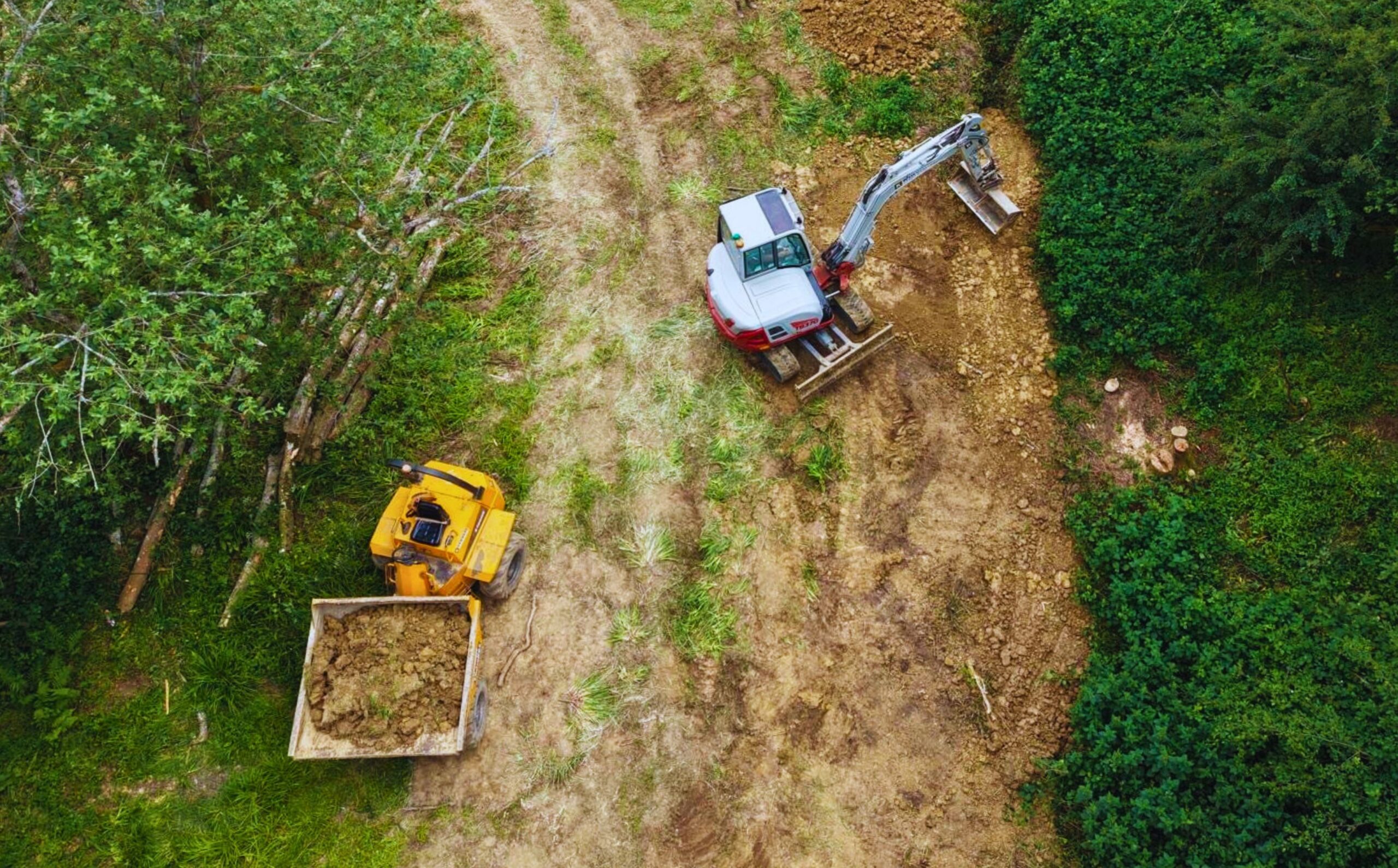
Wetland construction at Venters Farm © South East Rivers Trust
What we’ve delivered so far
Year 1 (July 2024 – June 2025)
- Completed detailed mapping, walkovers and desk-based assessments
- Prioritised intervention sites using a bespoke scoring matrix
- Engaged with 16 landowners to co-develop delivery plans
- Shared project updates with the local community
- Established a full monitoring programme, including cameras, depth gauges, turbidity sensors and eDNA sampling
Year 2 (July 2025 – June 2026)
- Successfully installed over 50 leaky barriers and a 100m hedgerow with 400 native trees
- Created a new wetland to help store up to 600m3 of water during heavy rainfall, improving water quality and supporting biodiversity
- Reconnected 100m of river to its floodplain, enabling water to spread out and be held temporarily on the floodplain, before filtering slowly downstream
- Engaged two new landowners to help continue our work over a catchment-scale
- Continued to monitor water levels, rainfall and turbidity throughout the year, helping to determine how fast water currently moves downstream
Coming up in year 3 (July 2026 – June 2027)
- Re-instating an old offline pond to help store water and improve biodiversity
- Delivering more leaky barriers with our newly engaged landowners
- Designing another new wetland to help improve water quality and availability
- Continuing our monitoring programme, where we hope to start to see the benefits of our restoration works
- Organising engagement days within the local community, helping to increase awareness and education – keep an eye out for upcoming dates
- Expanding our project into another of the 6 waterbodies within the Upper Mole catchment
What we’re measuring
Our monitoring programme is helping us understand how the catchment responds and how interventions are performing.
Early findings include:
- High responsiveness to rainfall, confirming the need to slow the flow
- Fluctuating water quality at key sites
- 62 species recorded through eDNA monitoring
Notably, species such as European eel and brook lamprey are currently absent upstream — highlighting the need for continued habitat restoration.
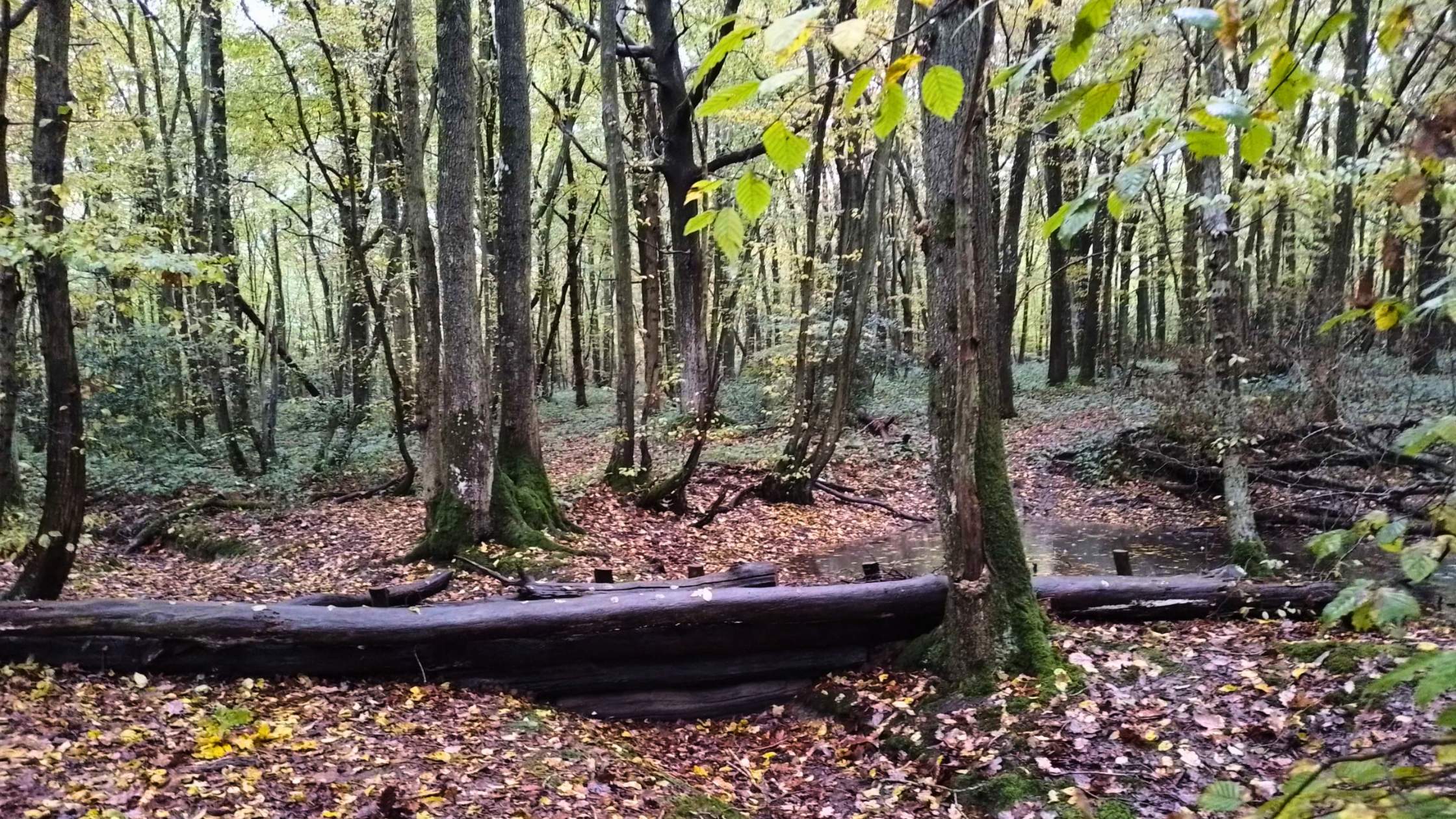
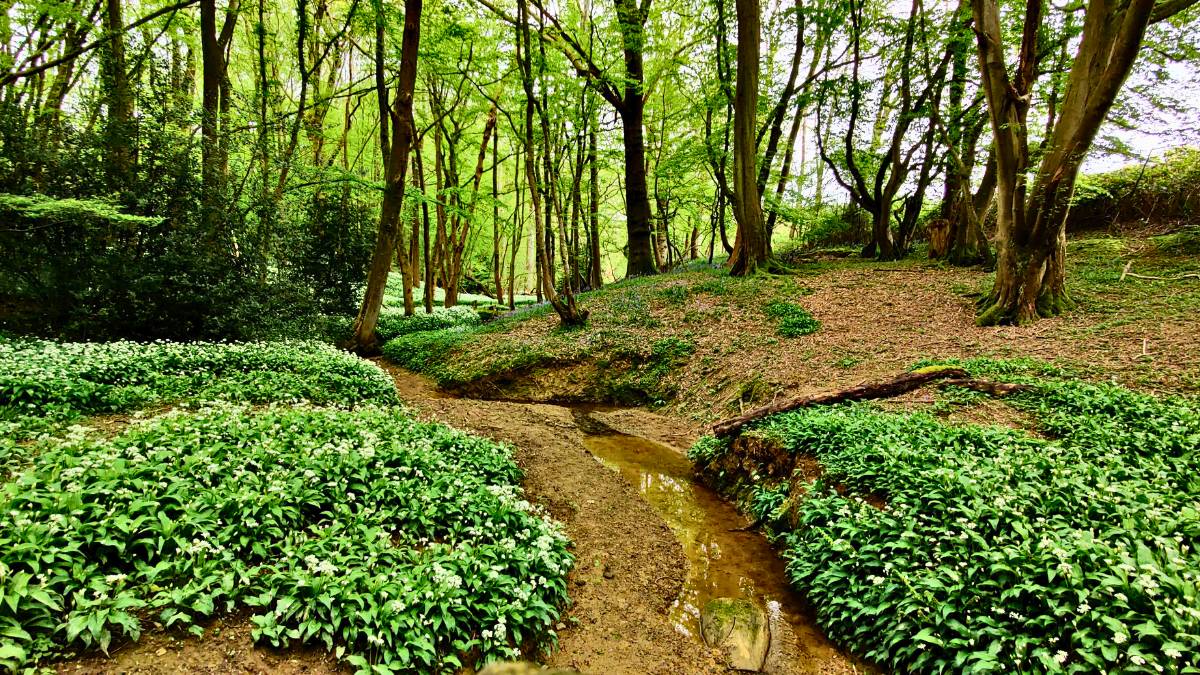
Fallen trees create a dam to hold water back © South East Rivers Trust
Looking ahead
We are continuing to build on this work to deliver long-term impact across the Upper Mole catchment.
Next steps include:
- Expanding delivery into Stanford Brook and beyond
- Establishing a farmer cluster to strengthen collaboration
- Using the Upper Mole as a model for restoring other urban headwaters across the South East
Stay connected
Follow the journey of the Upper Mole. Get the latest updates, project milestones and behind-the-scenes insights straight to your inbox.