1. Hawthorn (Crataegus monogyna)
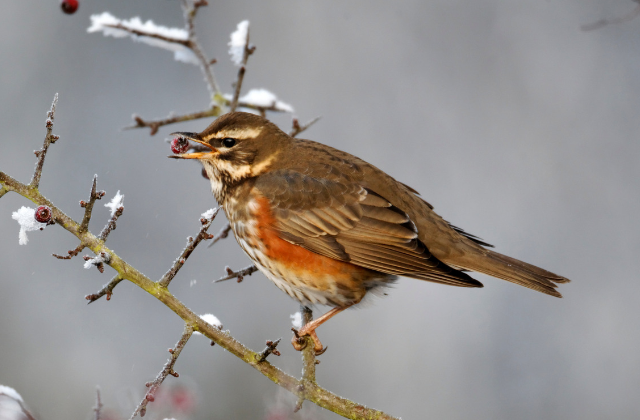
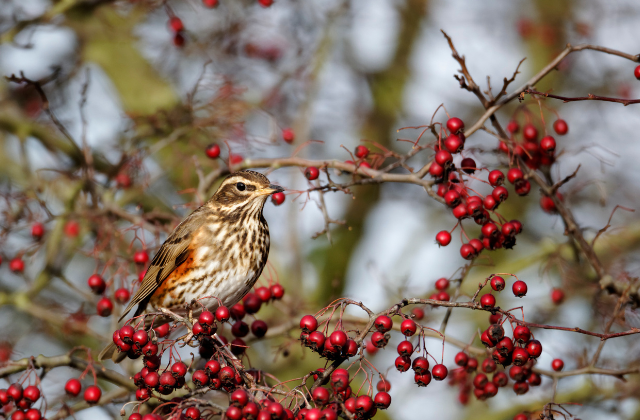
Hawthorn berries, also known as ‘haws’, are a common winter sight along our waterways. This bright-red berry provides food for more than 300 species of insect and is often favoured by migrating birds – especially Redwings (pictured) – but people love them too. Traditionally harvested in autumn and consumed for their health benefits, the berries are often used in herbal teas, jellies, syrups and supplements.
2. Chub (Squalius cephalus)
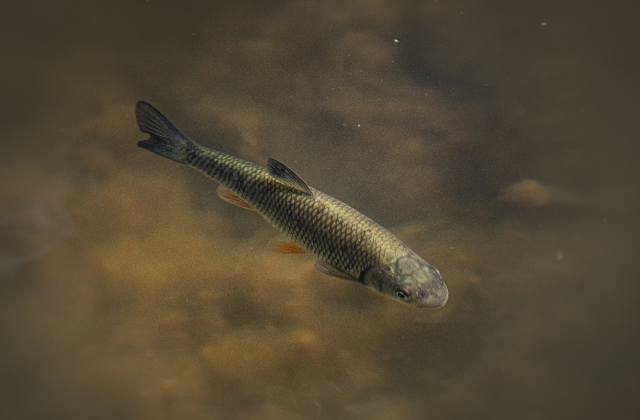
Commonly spotted navigating England’s rivers during the winter, Chub are greenish-sliver fish, with reddish, rounded fins. This distinctive fish has a blunt snout, rounded body and large mouth. Its large mouth means it can feed on worms, crayfish, small fish and berries. They often gather in shoals and like to hide in overhanging brambles and tree roots – so if you look closely at the water’s edge, you might just spot one.
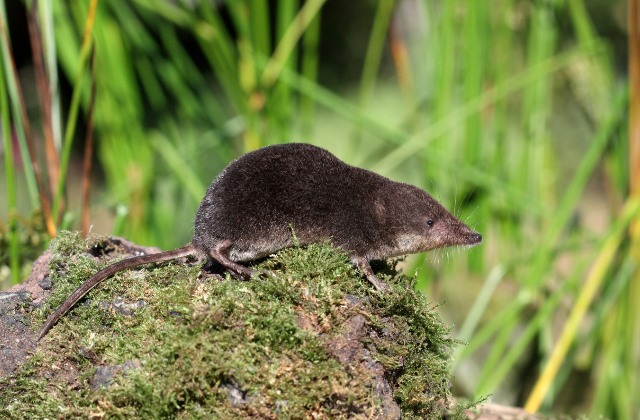
3. Water Shrew (Neomys fodiens)
The Water Shrew is the UK’s largest shrew and it lives almost entirely in wetland habitats, tunnelling small burrows in streams, ponds and wetlands. These excellent swimmers hunt for invertebrates underwater, catching caddisfly and mayfly larvae. This shrew is an unusual mammal because of its venomous bite, which it uses to tackle prey much larger than itself – including newts and frogs. They are silky with a black or dark grey back and white underside, and thrive in clean, densely-vegetated riverbanks. If you listen closely, you might hear the high-pitched squeaks, tittering, trills and “churr churr” sounds they make during foraging, courtship or a territorial stand-off.
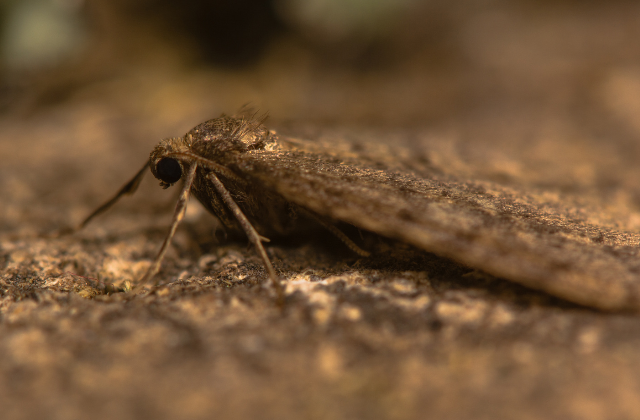
4. Winter Moth (Operophtera brumata)
During the winter, many insects enter diapause – a state of suspended development and lowered metabolism – or cluster together to survive the cold. But some insects, including Winter Moths and December Moths, can remain on-the-wing in exceedingly low temperatures. You might spot Winter Moths between October and January, drawn to your car headlights at night or resting on tree trunks. The females have short wings and are therefore flightless, whilst males fly at nighttime. The females climb up tree trunks and give off pheromones to attract flying males, laying their eggs (which don’t hatch until spring) on the bark. You might spot them hanging down from trees on long threads of silk, which they use to sail from trunk to trunk.
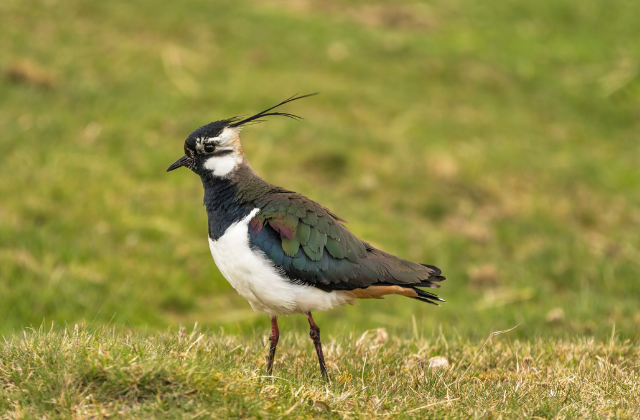
5. Northern Lapwing (Vanellus vanellus)
If you’re looking for a dramatic aerial display this winter, Lapwings will provide just that. Also known as ‘peewit’ in imitation of its display calls, the name ‘lapwing’ refers to its turbulent flight. The males tumble through the air, upping-the-ante during breeding season to impress the females. They’re found by the coast, heathland and wetlands and have distinctive round wings, long crests, and a black and white pattern – but up close, you can see the distinctive iridescent green and purple sheen of their plumage.
Looking for a river near you?
Use our interactive map to find your local river and get started on your river wildlife journey today.