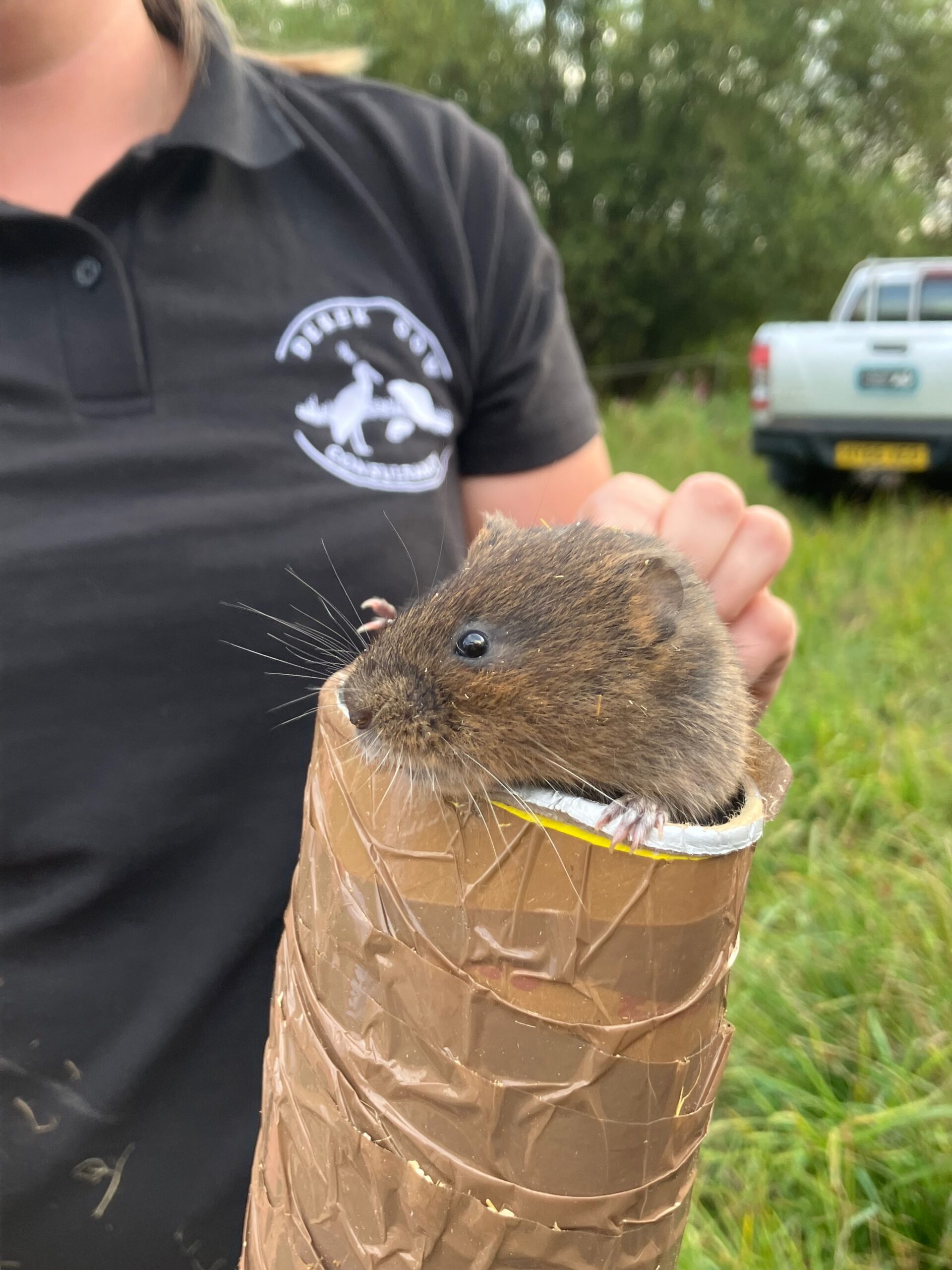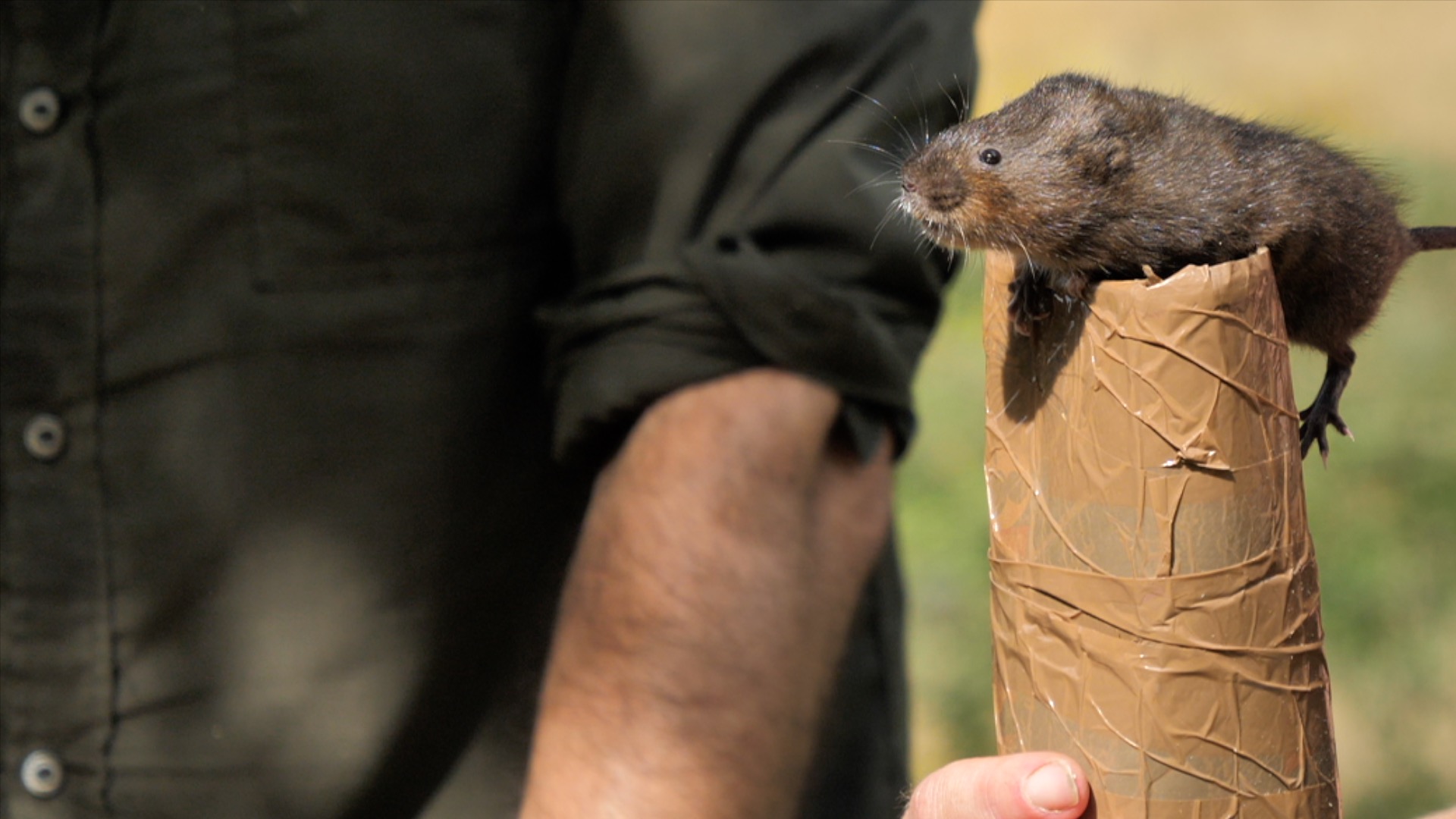
300 nationally-endangered Water Voles have been reintroduced to a main section of River Wey in West Surrey.
As part of a catchment-wide reintroduction strategy led by the National Trust, River Wey Trust and South East Rivers Trust and funded by the Environment Agency, the Water Voles were released at ten sites between Frensham and Elstead this September. This includes some of the River Wey’s most beautiful rural riverside habitats including Surrey Wildlife Trust’s Thundry Meadows, the Hampton Estate, the Countryside Regeneration Trust’s Pierrepont Farm, The Land Trust’s Weyburn Meadows and other private land owners.
The Water Voles were raised by project partner Derek Gow Consultancy and introduced in over a hundred soft-release pens on 8 September, where they had access to plentiful natural food, water and shelter. They have now ventured into the wild at their own pace and the pens have been removed.
Early signs indicate that the first two stages of Water Vole releases on the upper River Wey have been successful. The project is now moving downstream into the main reaches of the river.
Field surveys show feeding signs, burrows and latrines, while wildlife cameras and e-DNA water testing have confirmed that they are thriving, both at the release sites and where populations are starting to expand.
The National Trust documented one of the releases
Small but mighty
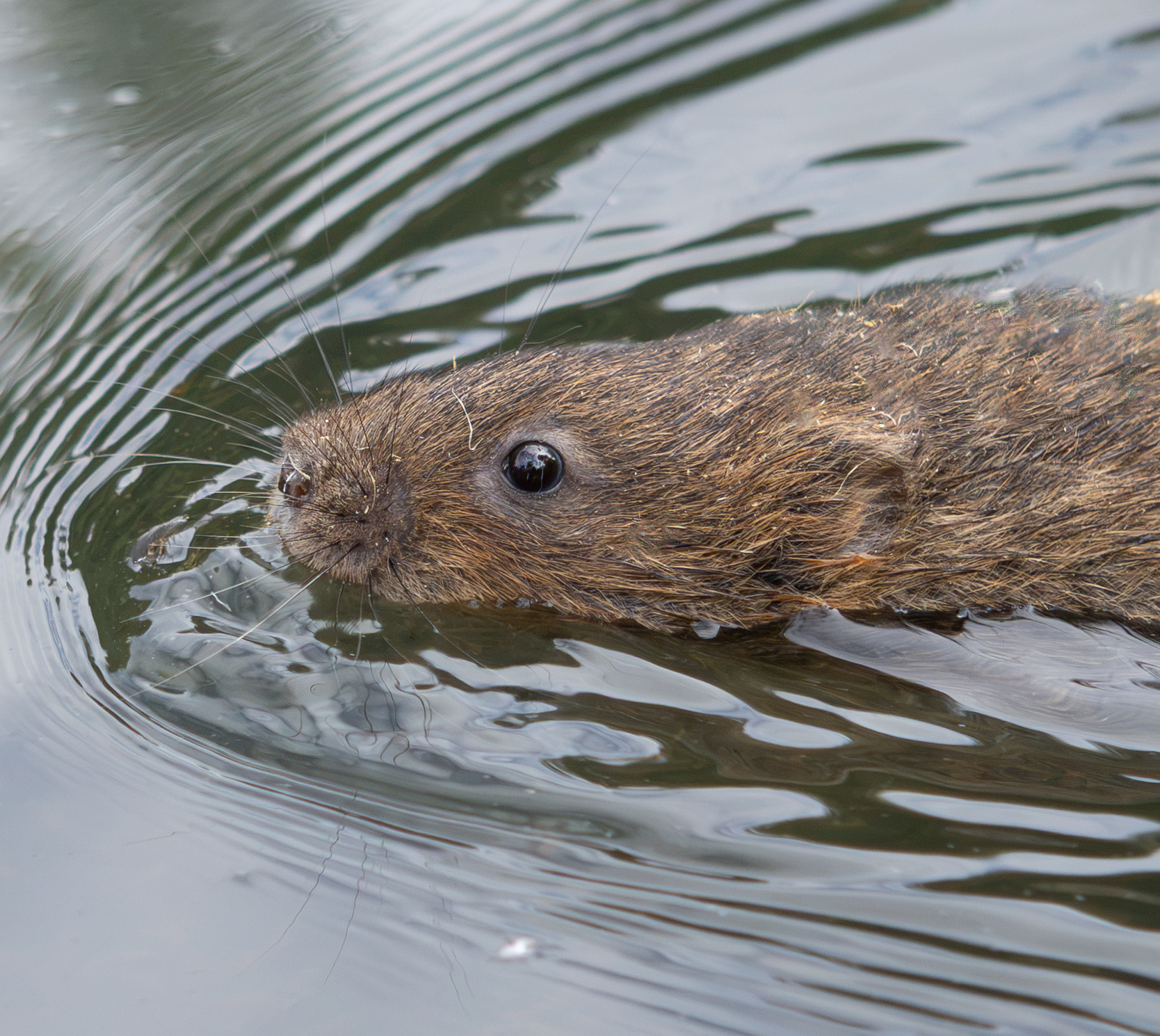
Water Voles help shape wetland habitats to the benefit of other species, but have been extinct in Surrey since the early 2000s. The work to prepare habitats for Water Voles will be good news for other species which depend on healthy wetland habitats, including Kingfishers, Sand Martins, birds of prey, eels, frogs, trout and many more besides.
Equally significantly, the grazing carried out by the hungry Water Voles (which eat almost their own 300g bodyweight each day) creates a diversity of sward lengths and opens up space for native wildflowers including Meadowsweet and Purple Loosestrife.
This in turn benefits pollinating insects and the vast network of life, including birds and bats, which feed on them. The complex networks of burrows, created along riverbanks by these ecosystem engineers just above water level, also serve to aerate soil, provide homes for other wildlife and absorb floodwater.
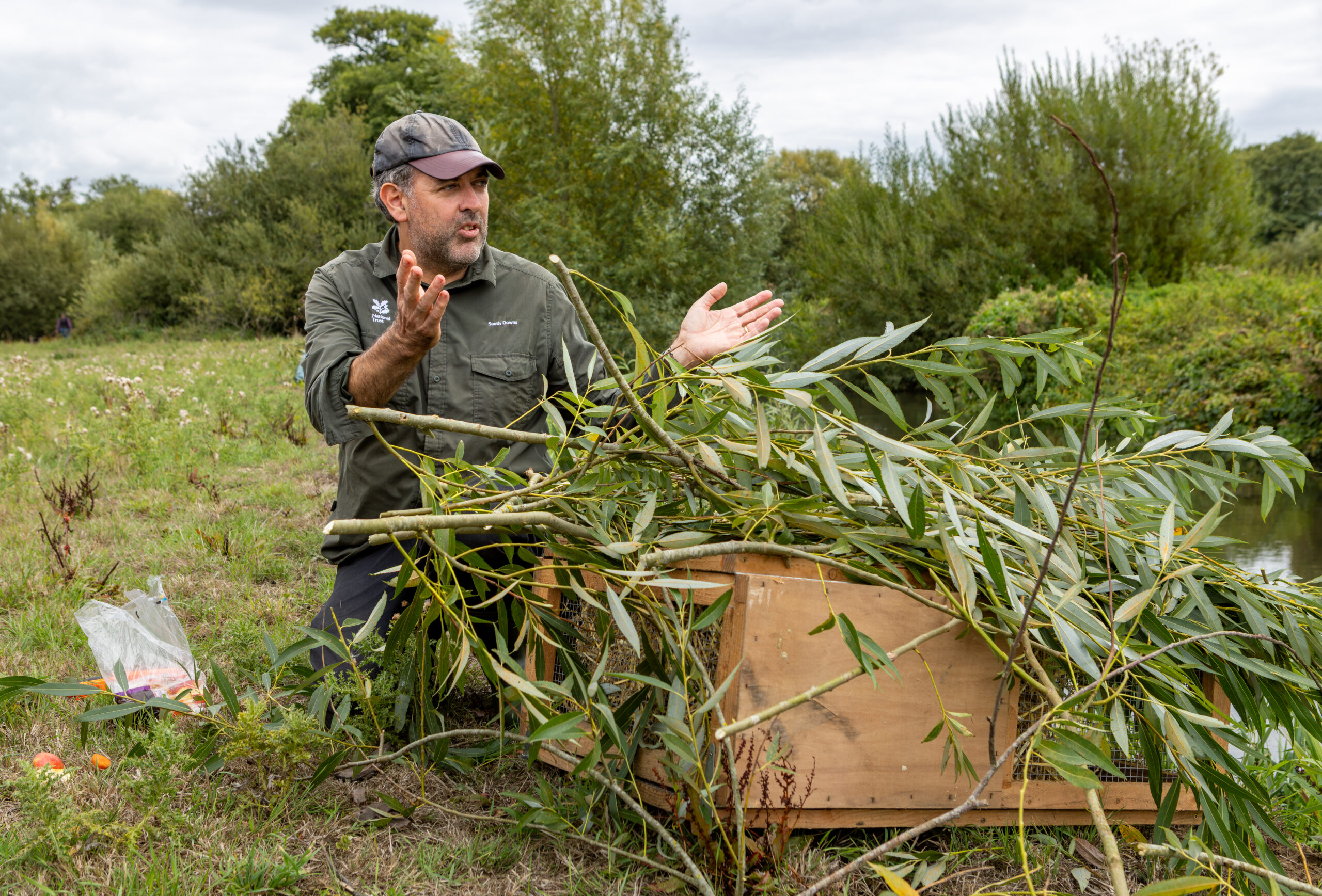
David Elliot, National Trust Lead Ranger
Working in partnership
David Elliott, National Trust Lead Ranger for the South Downs West said:
“Nature wins when we work together. We couldn’t do this without so many wonderful organisations and people’s help, support and generosity.”
Lewis Campbell, Catchment Manager (Mole and Wey rivers) at South East Rivers Trust says:
“To see Water Voles thriving again in Surrey after several decades of absence is a brilliant testament to the hard work of the organisations, volunteers and landowners who have put so much effort into realising this vision of wildlife recovery. We look forward to offering our ongoing support with monitoring the continued success of Surrey’s own ecosystem engineers.”
Zoe Channon, Director of Nature Solutions and Partnerships at Surrey Wildlife Trust and Chair of the Wey Landscape Partnership says:
“Just as the natural world depends on interconnected networks of species and habitats, the conservation movement is sharing expertise, sites and experience as we work together to fix the damage done to nature and restore functioning ecosystems.”
Follow the Water Voles' progress
Sign up for news from the South East Rivers Trust and discover how we are helping rivers thrive again for wildlife and communities across the South East.