Project overview
Pollution from incorrectly connected household and business plumbing can flow into rivers unnoticed for years.
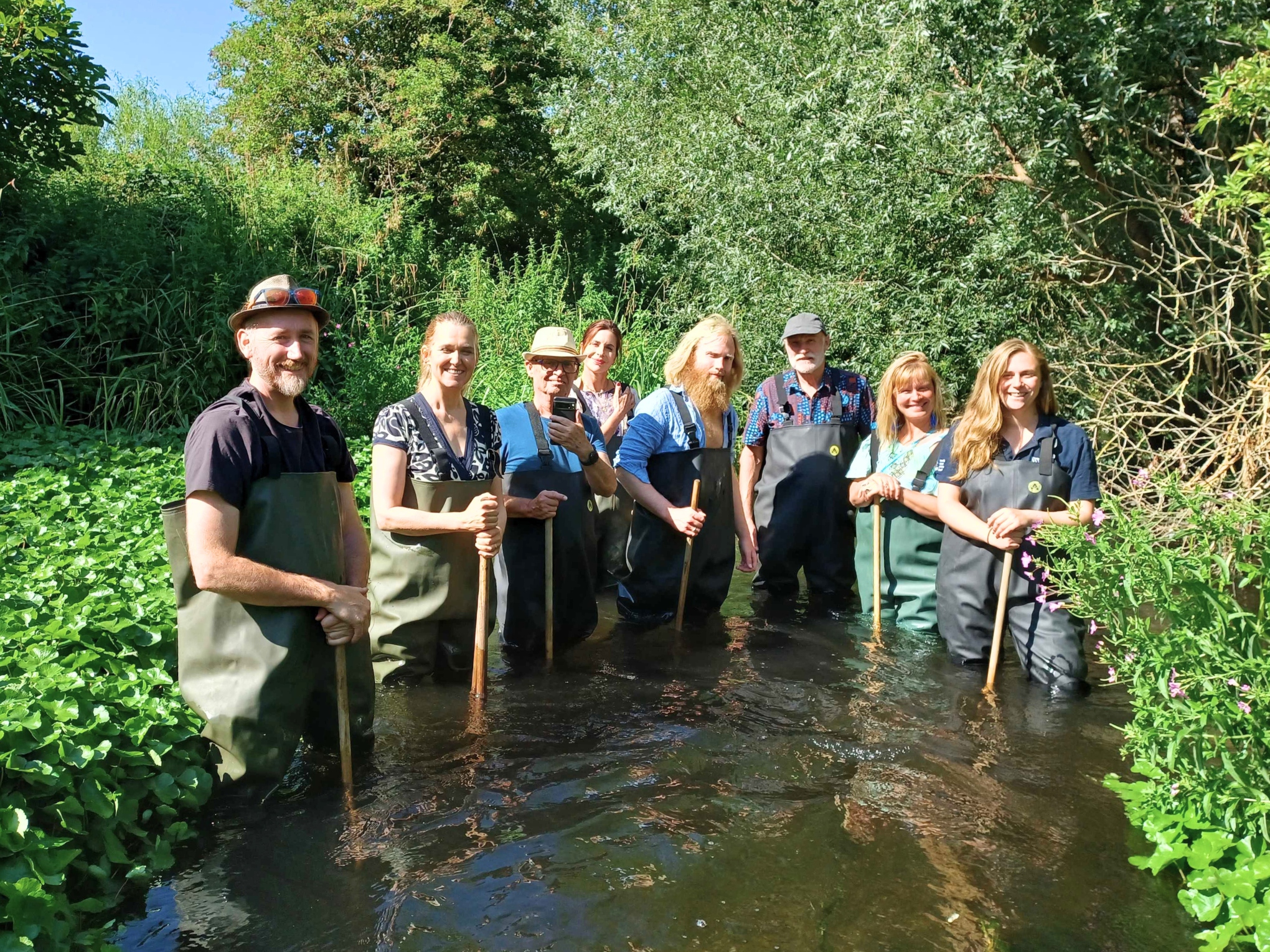
Through our Outfall Safaris project, trained citizen scientists systematically survey riverbanks to identify, assess and map drains that may be carrying pollution into the water.
By surveying whole stretches of river, volunteers build an evidence-based picture of where pollution is entering the river system. We share their findings with the Environment Agency and the relevant water company so that potential sources can be investigated and addressed.
What is a plumbing misconnection?
Many urban areas have two separate drainage systems.
The foul water system carries wastewater from toilets, sinks, washing machines and other appliances to a sewage treatment works. The surface water system collects rainwater from roofs, roads and paved areas and usually carries it directly into a nearby river.
A misconnection happens when an appliance or wastewater pipe is connected to the surface water system by mistake.
This means untreated wastewater, which may contain sewage, detergents, chemicals and other pollutants, can flow directly into a river.
Because the pollution often comes from an underground drainage network, it can continue unnoticed for a long time.
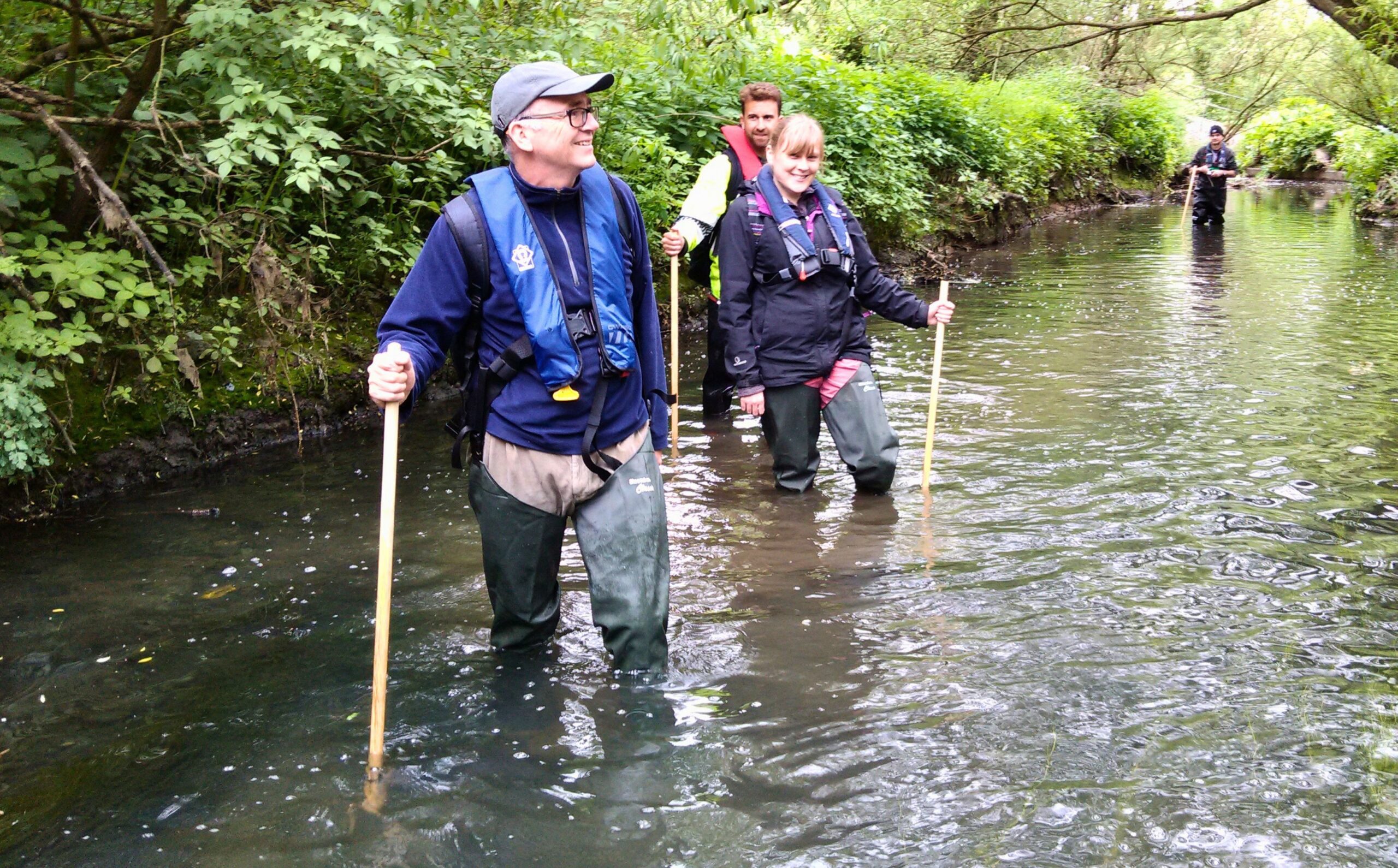
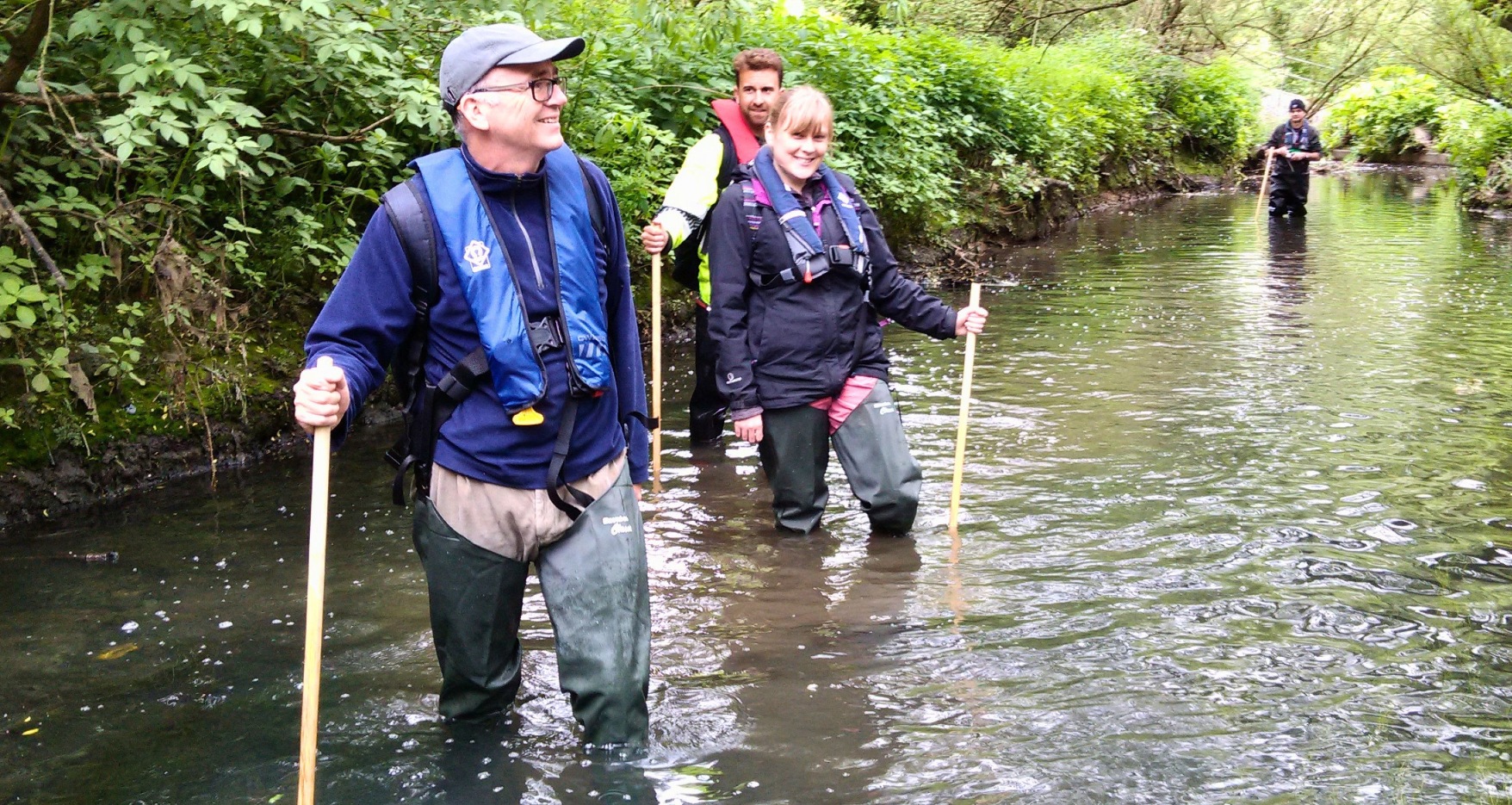
Volunteers on an Outfall Safari © South East Rivers Trust
How an Outfall Safari works
The Outfall Safari approach was developed by the Zoological Society of London in 2016 to help identify and prioritise pollution from misconnected drains.
Training volunteers
Citizen scientists receive training in water quality, drainage misconnections and the signs of pollution to look for around river outfalls.
Surveys are completed from the riverbank, so volunteers do not normally need to enter the water.
Surveying the river
Volunteers survey designated stretches of river during suitable dry weather conditions.
They locate each outfall and record signs such as discoloured water, sewage fungus, unusual smells or visible waste.
Assessing the evidence
Each outfall is assessed using a standard scoring system. This helps distinguish between outfalls showing little or no pollution and those that may require urgent investigation.
Reporting the findings
The survey results are submitted to the Environment Agency and the relevant water company.
The water company can then investigate the drainage network, trace the pollution back towards its source and work with property owners or local authorities to correct the misconnection.
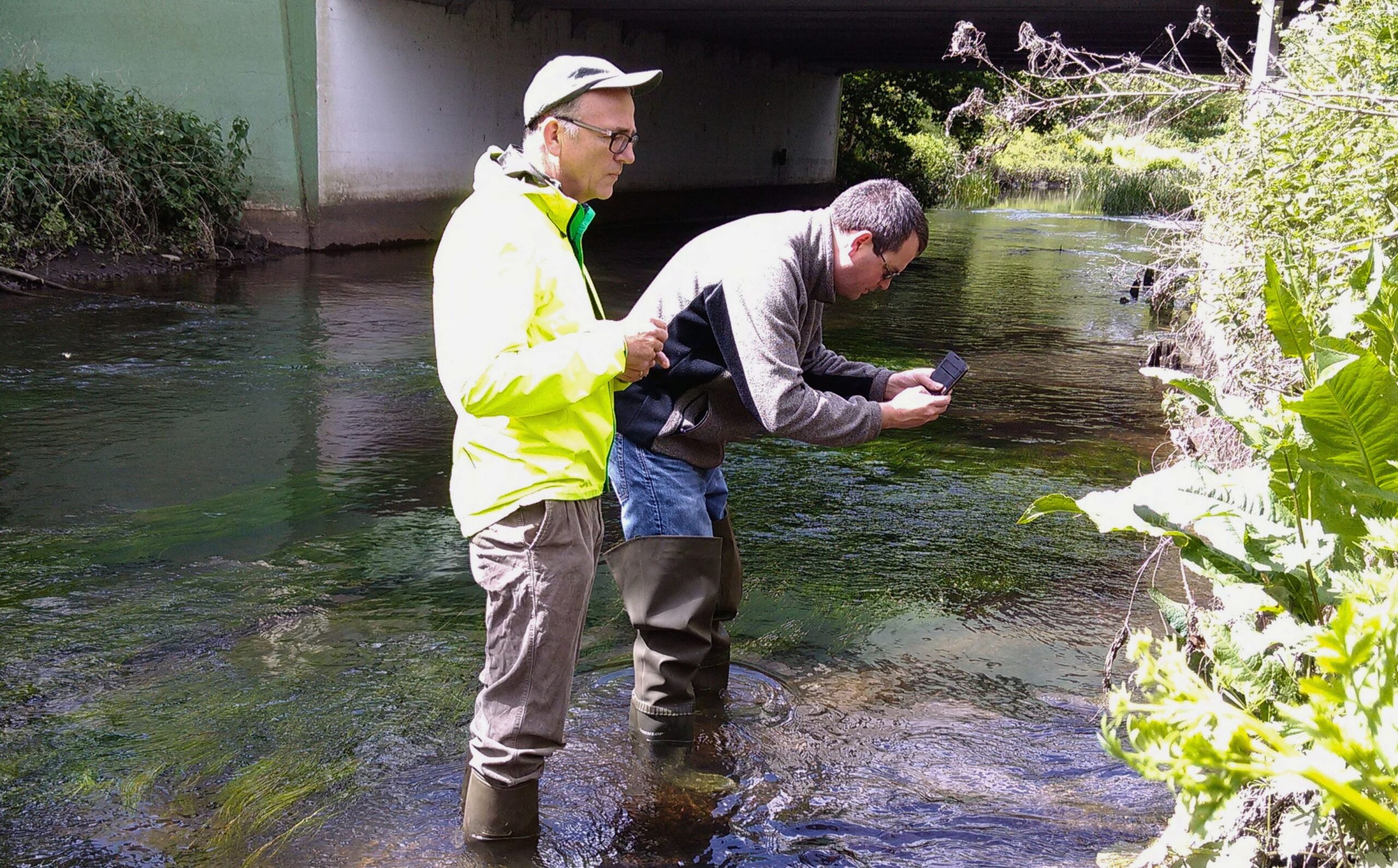
Volunteers collecting evidence during an Outfall Safari © South East Rivers Trust
Turning evidence into action
A single river outfall can be connected to hundreds or even thousands of properties. Finding the exact appliance or pipe causing the pollution can therefore require a detailed investigation.
Outfall Safari data helps partners understand where to begin. It highlights pollution hotspots, provides evidence for further investigations and allows the most seriously affected outfalls to be prioritised.
Without these surveys, many sources of pollution could continue to affect rivers unnoticed.
What have the surveys found?
Our volunteers have carried out Outfall Safaris on rivers including the Hogsmill, Beverley Brook and Wandle.
River Hogsmill
The Hogsmill was one of the first rivers surveyed using the Outfall Safari method in 2016. At the time, 23% of the outfalls surveyed showed signs of pollution.
When the river was surveyed again in 2021, the number of polluted outfalls identified had fallen from 63 to 49.
The original survey prompted investigations into sources of pollution that had not previously been reported. The work has also helped Thames Water trace and support the correction of more than 400 misconnected appliances.
Beverley Brook
A survey of the Beverley Brook in 2019 assessed 196 drains along the river and its tributaries. It found that 57, or 29%, showed signs of pollution.
Further surveys help partners understand whether conditions are improving and identify outfalls that still need investigation.
River Wandle
A more recent survey of the River Wandle assessed 135 drains and identified nine polluted outfalls. This was fewer than the 16 polluted drains found during the previous survey in 2019.
Repeated surveys allow us to track progress while continuing to identify sources that require action.
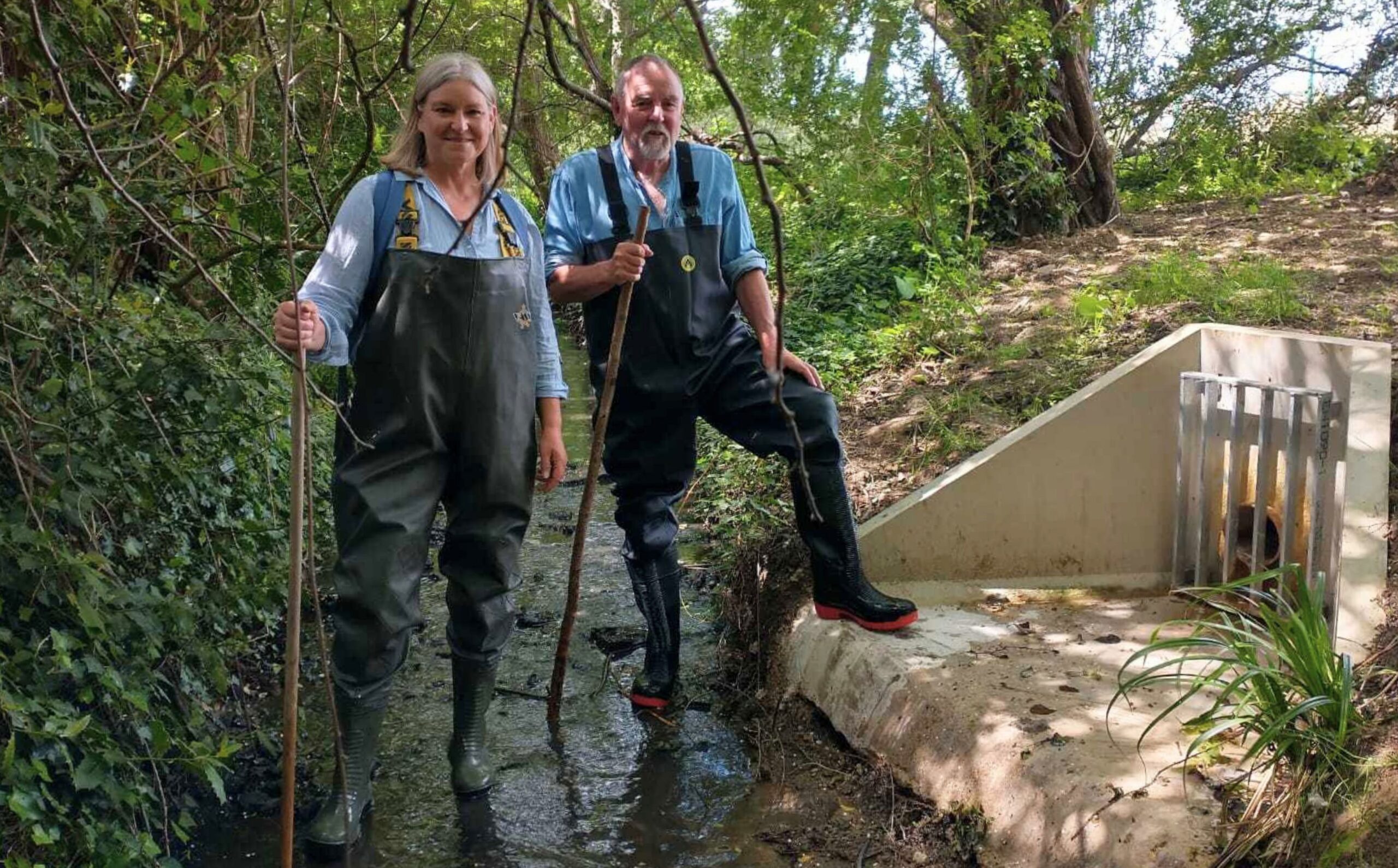
Volunteers standing in front of an outfall © South East Rivers Trust
How to recognise possible pollution
Signs of pollution around a river outfall can include:
- Cloudy, milky or unusually discoloured water
- A strong smell of sewage or wastewater
- Grey, slimy growth known as sewage fungus
- Detergent foam that remains on the water
- Toilet waste or other unusual material
- Dead fish or wildlife in distress
Not every unusual-looking outfall is caused by a plumbing misconnection, but reporting it allows the appropriate organisation to investigate.
Report river pollution
Report suspected water pollution to the Environment Agency as soon as possible.
You can use its online water pollution reporting service. You will need to provide the location and the time you noticed the pollution. Photos can also help investigators understand the incident.
For urgent pollution incidents, or when you cannot use the online service, call the Environment Agency’s 24-hour incident hotline on:
0800 80 70 60
Do not put yourself at risk or enter the water to collect evidence.
Help uncover hidden river pollution
Join our citizen science community and use your time and local knowledge to help build the evidence needed for cleaner, healthier rivers.