Project overview
The River Wandle is one of just 200 chalk streams in the world—globally rare habitats known for their clear, fast-flowing waters and rich biodiversity.
At Culvers Avenue, however, this stretch of river is under pressure. Historic modification, pollution and surrounding development have reduced water quality and limited the habitats wildlife depends on.
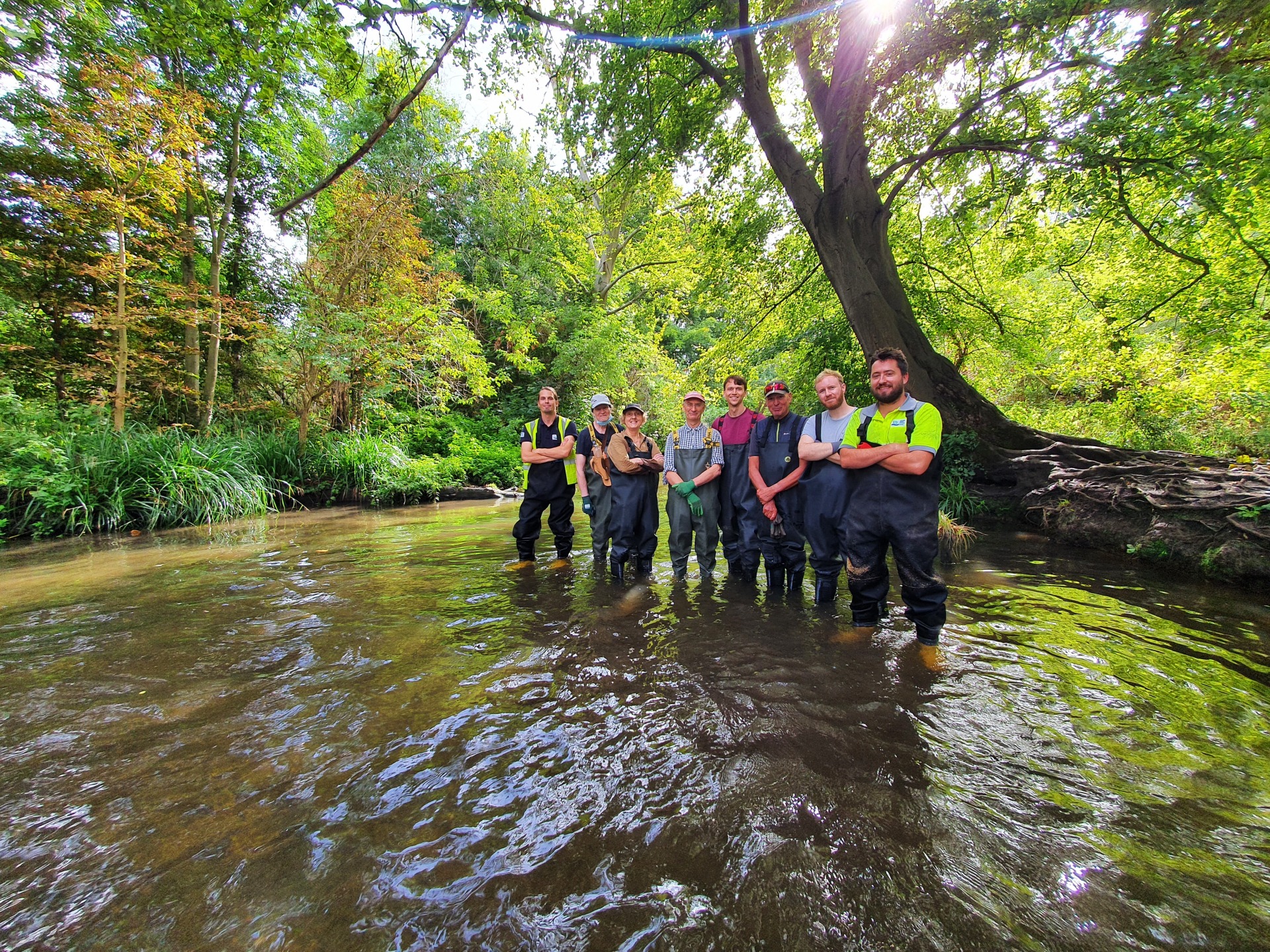
The South East Rivers Trust worked with local communities to restore a 400m stretch of the Wandle’s channel. By reintroducing natural processes and improving habitat diversity, this project will support healthier wildlife populations while creating a better river for people to enjoy.
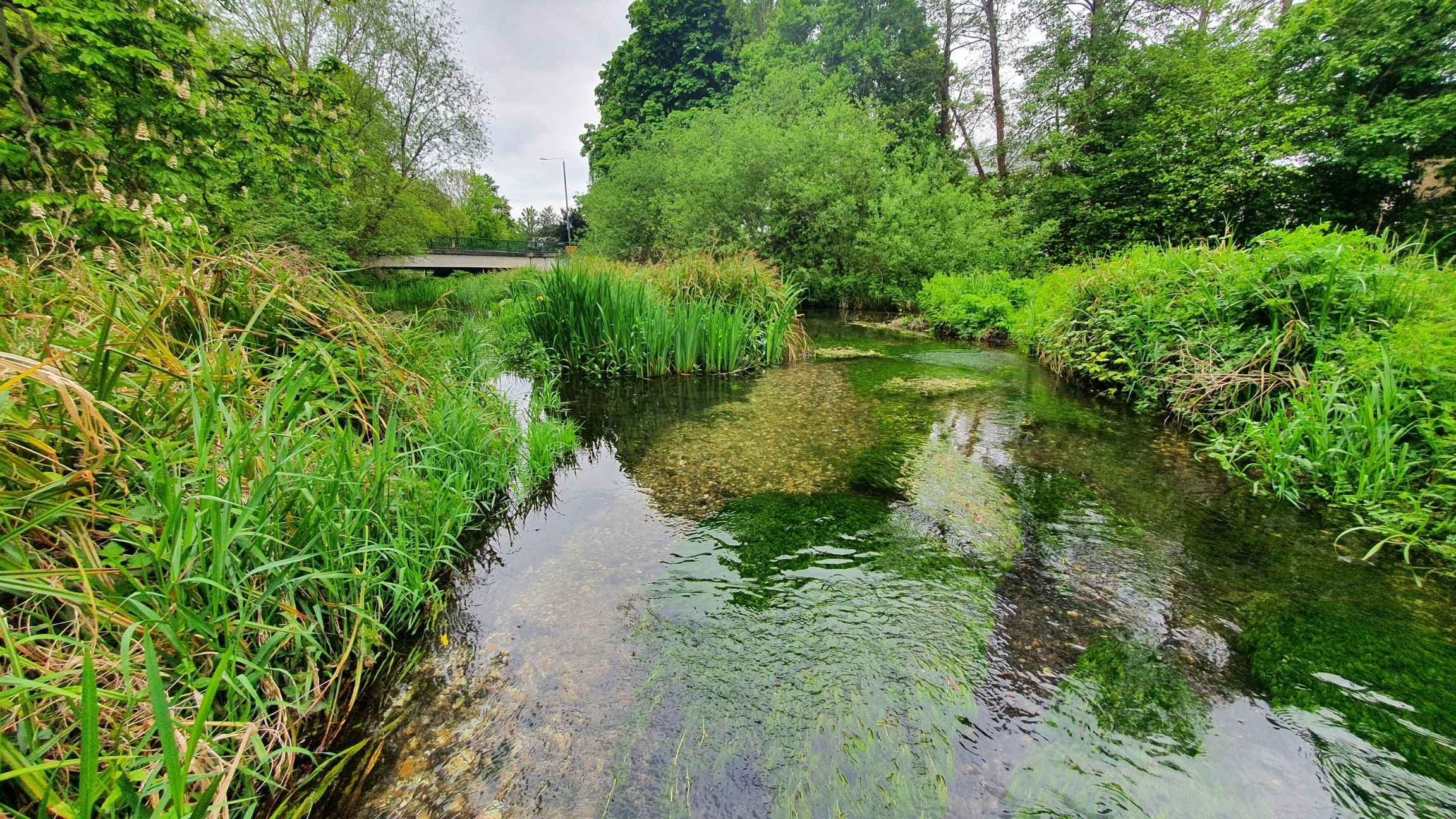
The River Wandle at Culvers Avenue © South East Rivers Trust
Why the River Wandle needed restoring
This section of the river had become over-wide, causing water to slow down. This allows sediment to build up and smother the gravel riverbed—an essential habitat for fish spawning and aquatic insects.
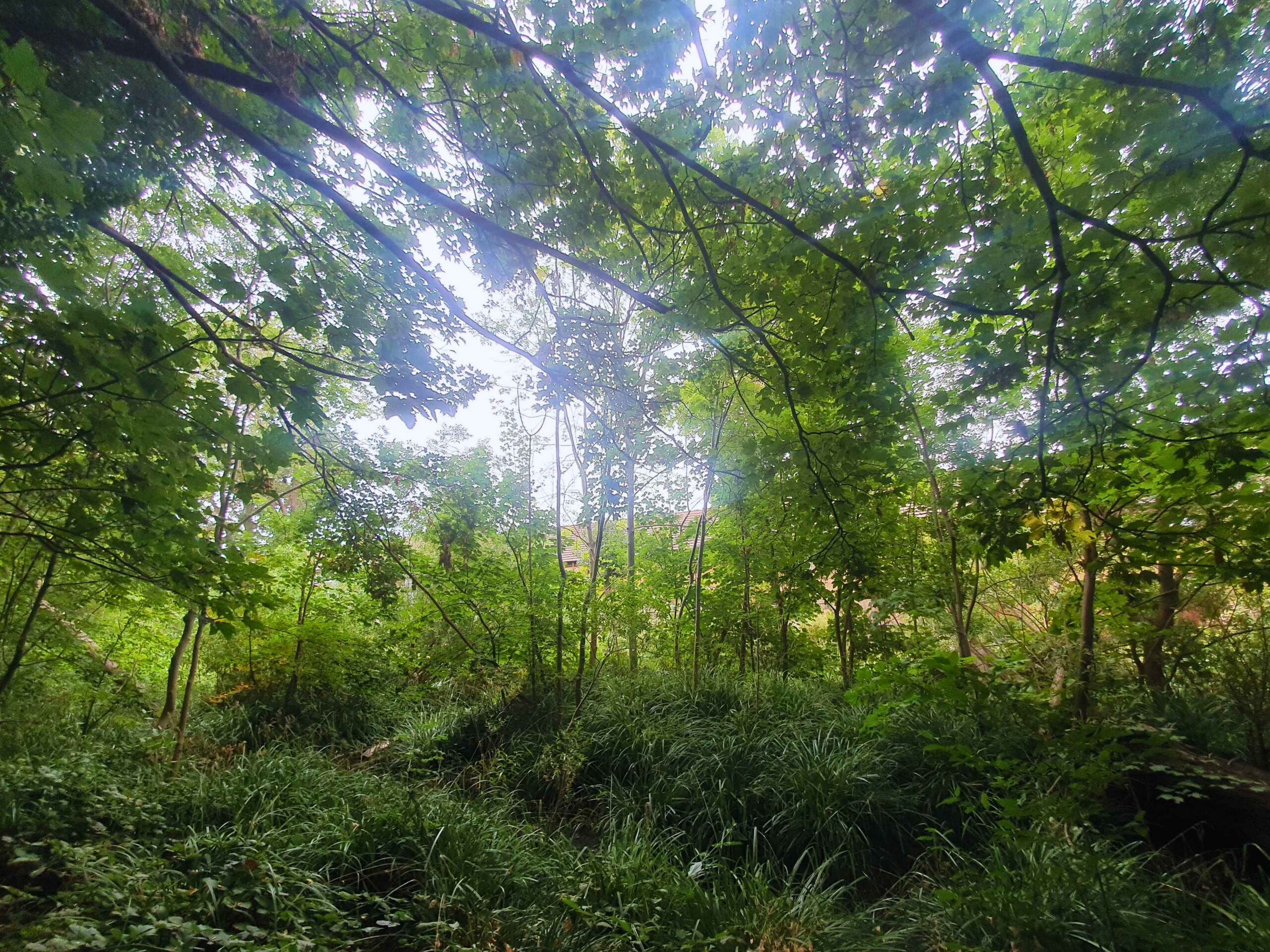
Dense tree cover also blocks light from reaching the river and its banks, limiting the growth of plants that provide food and shelter for wildlife.
At the same time, the channel had become uniform in shape, lacking the natural sequence of shallow riffles and deeper pools that a healthy river needs.
Local residents had already taken positive action by introducing woody material to improve flow in places. This project builds on that momentum to deliver a more comprehensive, long-term restoration.

Overhanging trees along the River Wandle © South East Rivers Trust
What we’ve done
Working with contractors and volunteers, we’ve restored natural river processes along this stretch of the River Wandle at Culvers Avenue. By improving water flow and creating a variety of habitats, we’re helping to make the river a healthier place for fish, plants and other wildlife.
Managing flood risk
We’ve made sure our river restoration work doesn’t increase flood risk to nearby homes and properties.
Independent modelling by Thomas Mackay Ltd has confirmed that the improvements will not increase flood risk to neighbouring properties.
Before tree management

After tree management
Tree management
We’ve selectively thinned dense trees and vegetation along the riverbanks, allowing more sunlight to reach the water.
This encourages aquatic plants to grow, providing essential food and shelter for wildlife while helping to create healthier, more stable river habitats.
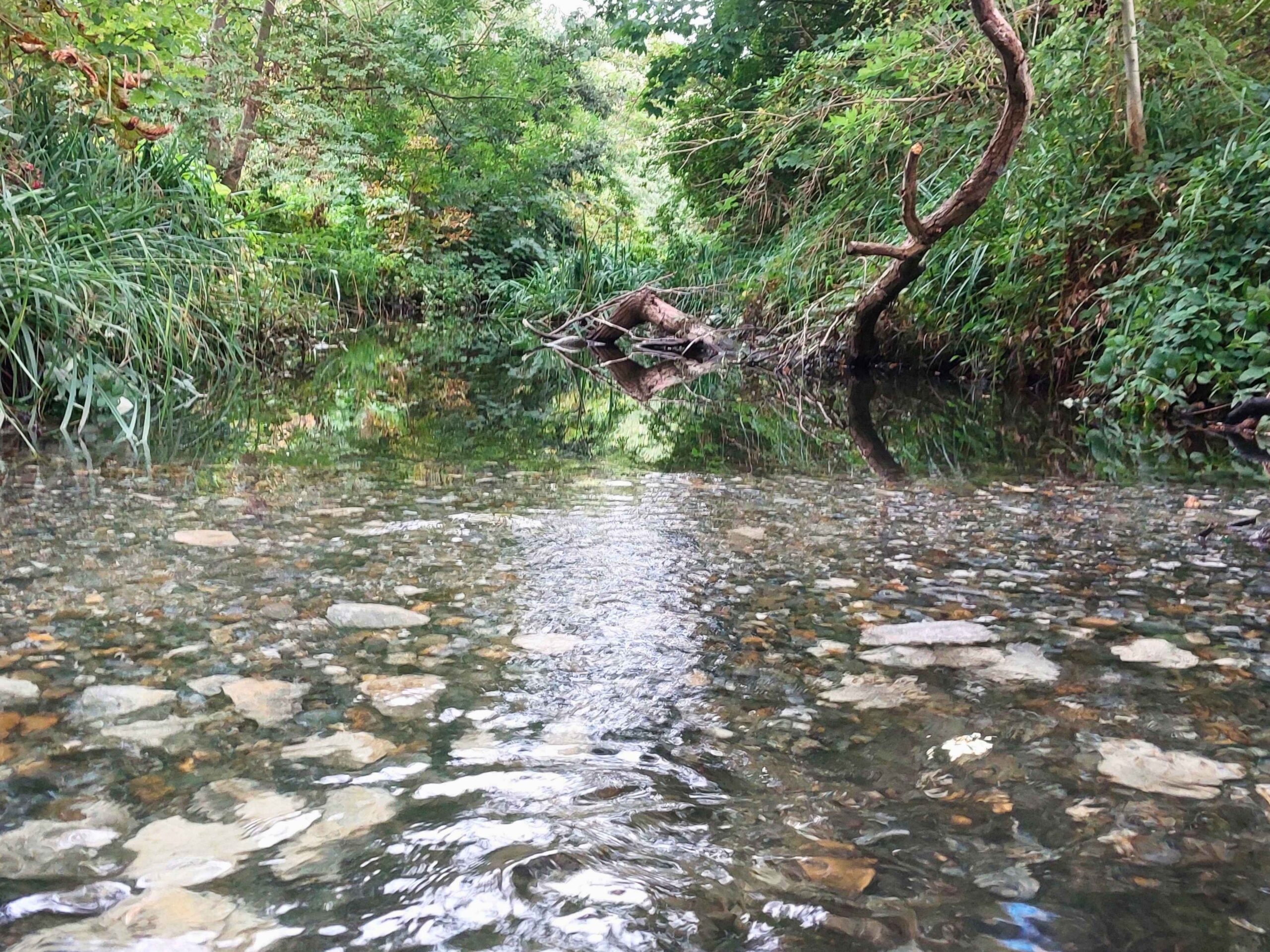
A gravel riffle © South East Rivers Trust
Riffle and pool creation
We’ve created six deeper pools and used the excavated gravel to form shallow, faster-flowing areas called riffles.
These features help oxygenate the water and prevent fine sediment from building up on the riverbed. This creates better conditions for fish to spawn and provides important habitats for aquatic insects and other wildlife.
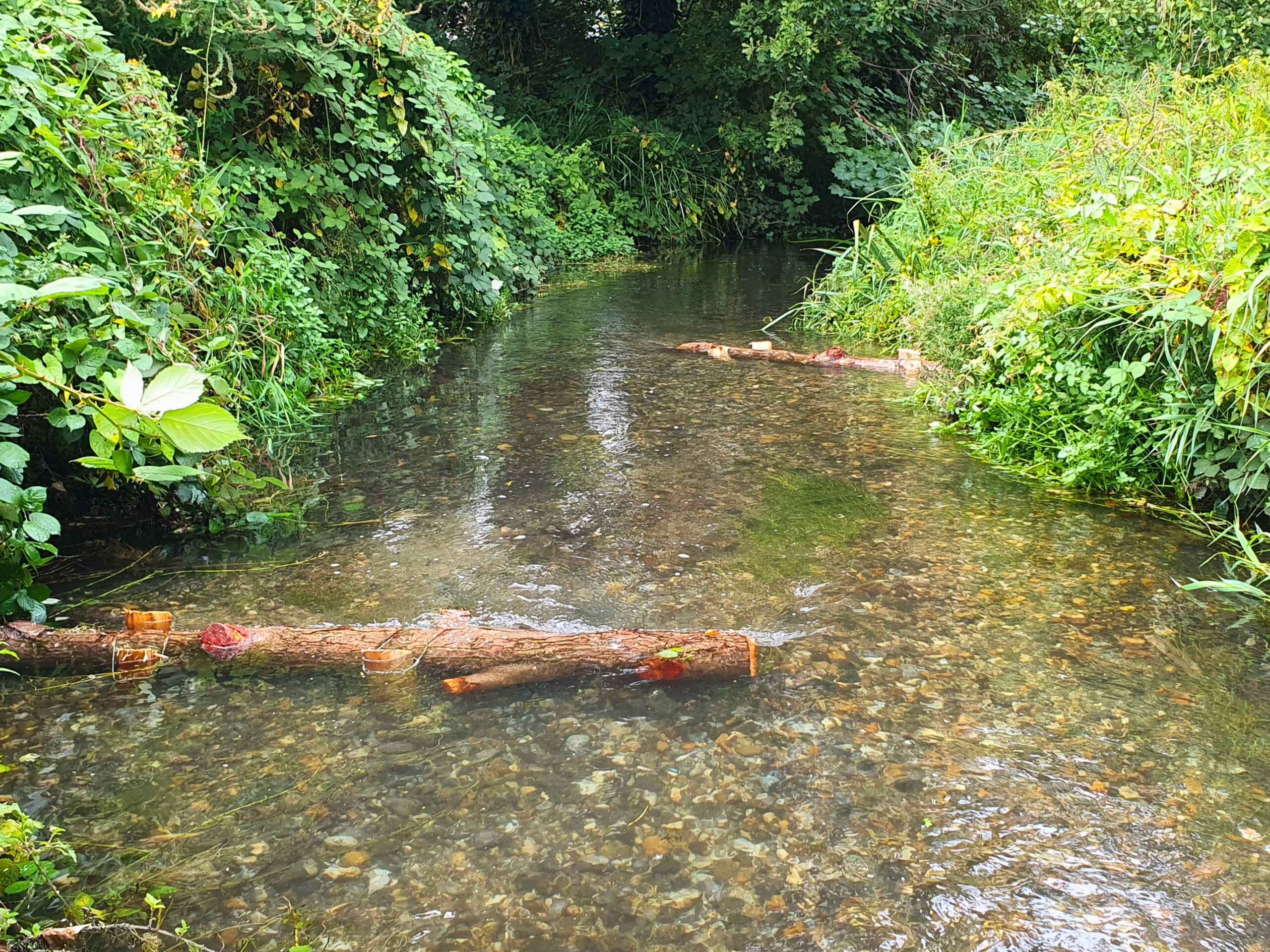
Flow deflectors © South East Rivers Trust
Introducing natural wood structures
We’ve reused wood from the tree management works to install 19 flow deflectors in the river.
These structures help direct the flow of water, increasing its speed in certain areas and keeping river gravels clean. This improves conditions for fish and aquatic invertebrates, helping to support a thriving river ecosystem.
Working with the community
Local people were central to this project. We created opportunities for residents, volunteers and partners to get involved—from public consultations to hands-on restoration days. Over 30 volunteers got involved in taking action for their local river during the delivery of this project.
This collaborative approach ensures the river reflects the needs of both wildlife and the community, while building long-term stewardship of this important local environment.
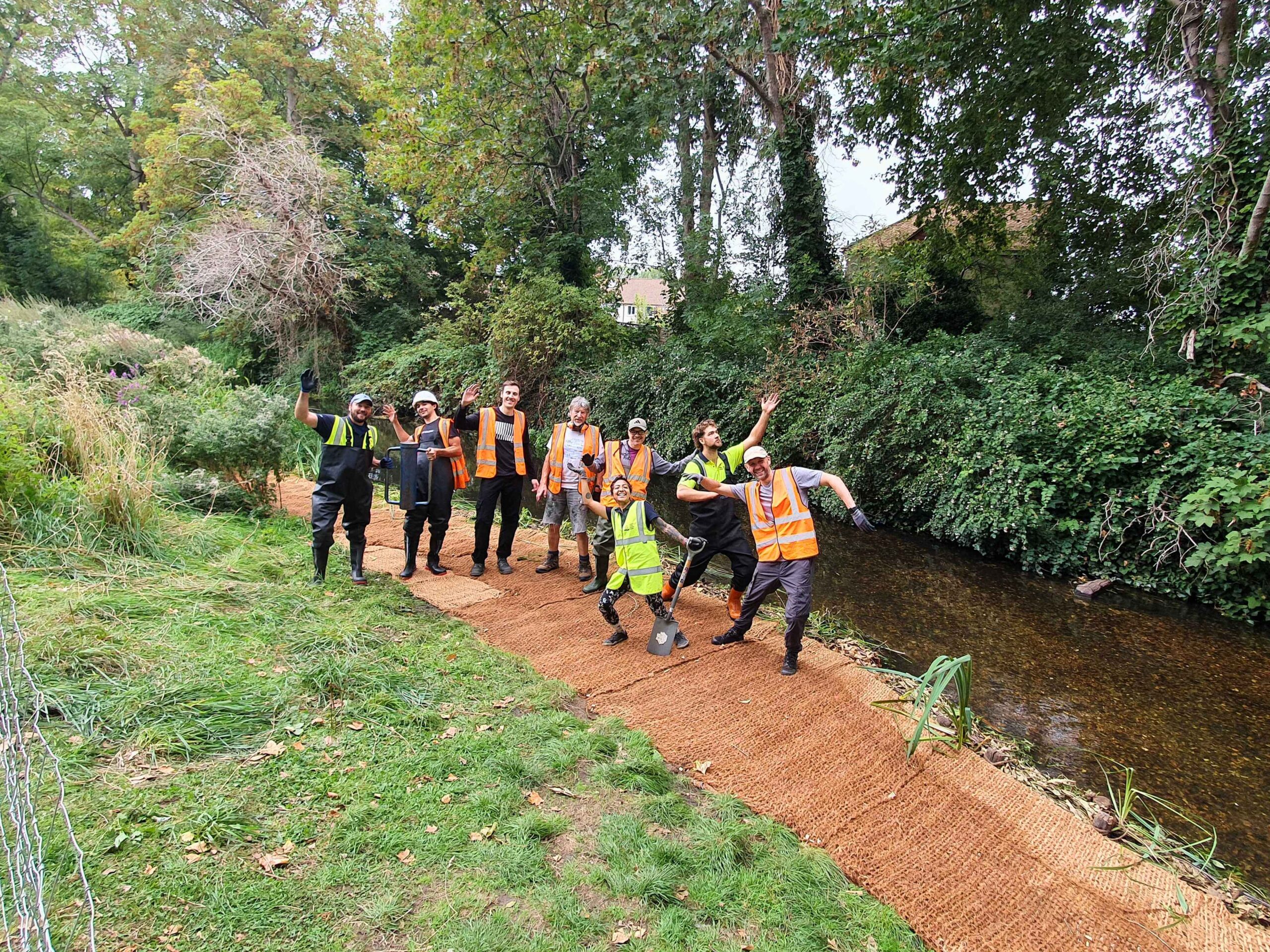
Volunteers on the new Berm © South East Rivers Trust
Restoring river berms
We’ve rebuilt three berms that were washed away by strong currents following earlier restoration work.
Berms are low features along the river’s edge that help narrow the channel and encourage faster water flow. They also create valuable habitat along the riverbanks, where aquatic plants can establish and provide shelter for wildlife.
Project impact
By restoring natural river processes, these improvements will help to:
- Improve water flow and reduce sediment build-up
- Create healthier habitats for fish, invertebrates and plants
- Support biodiversity in one of the world’s rarest river types
- Build resilience to future environmental pressures
- Enhance a local green space for the community
Get involved
From volunteering and citizen science to community events, discover how you can help improve rivers like the Wandle and make a difference for nature and people.