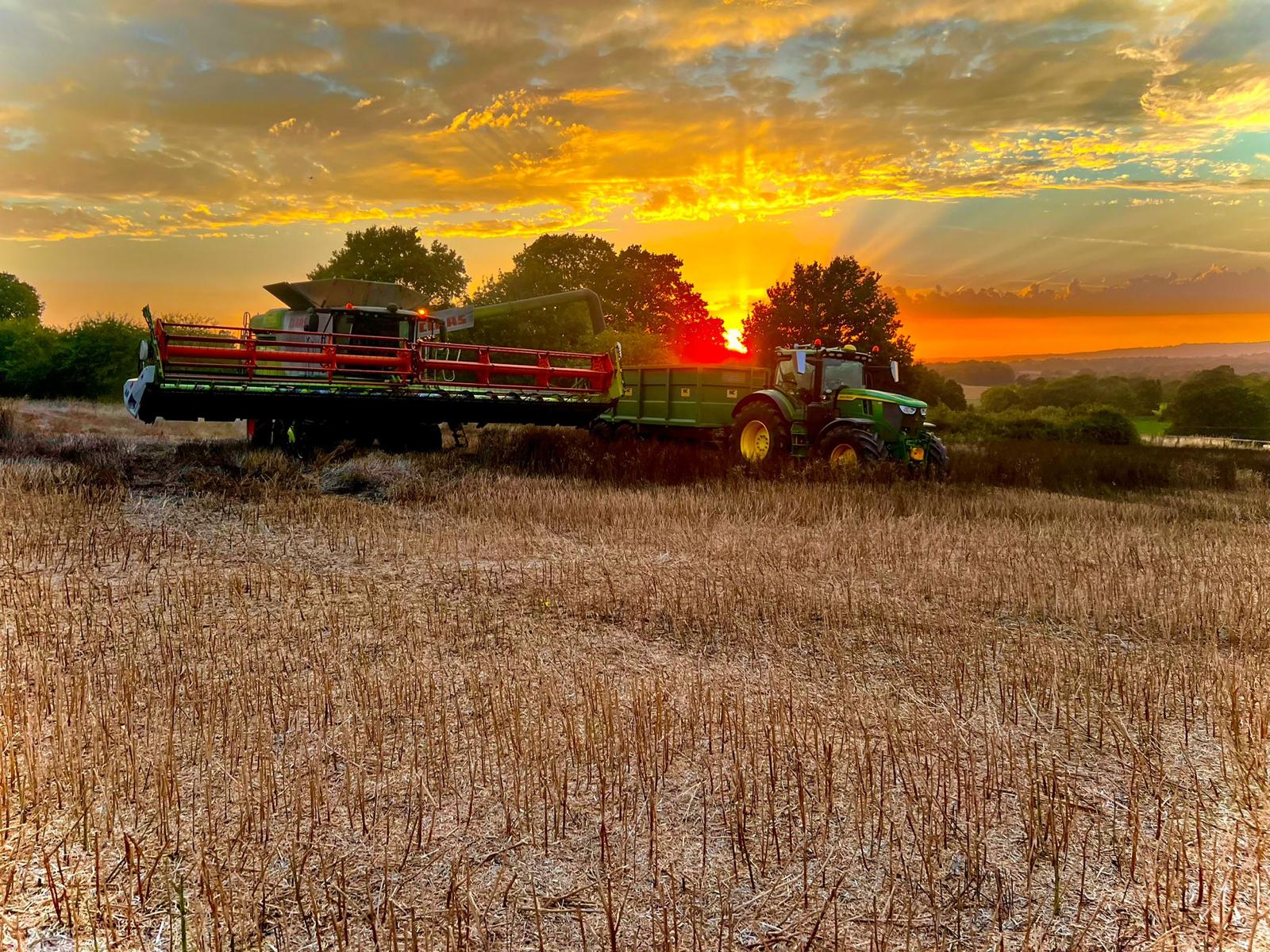
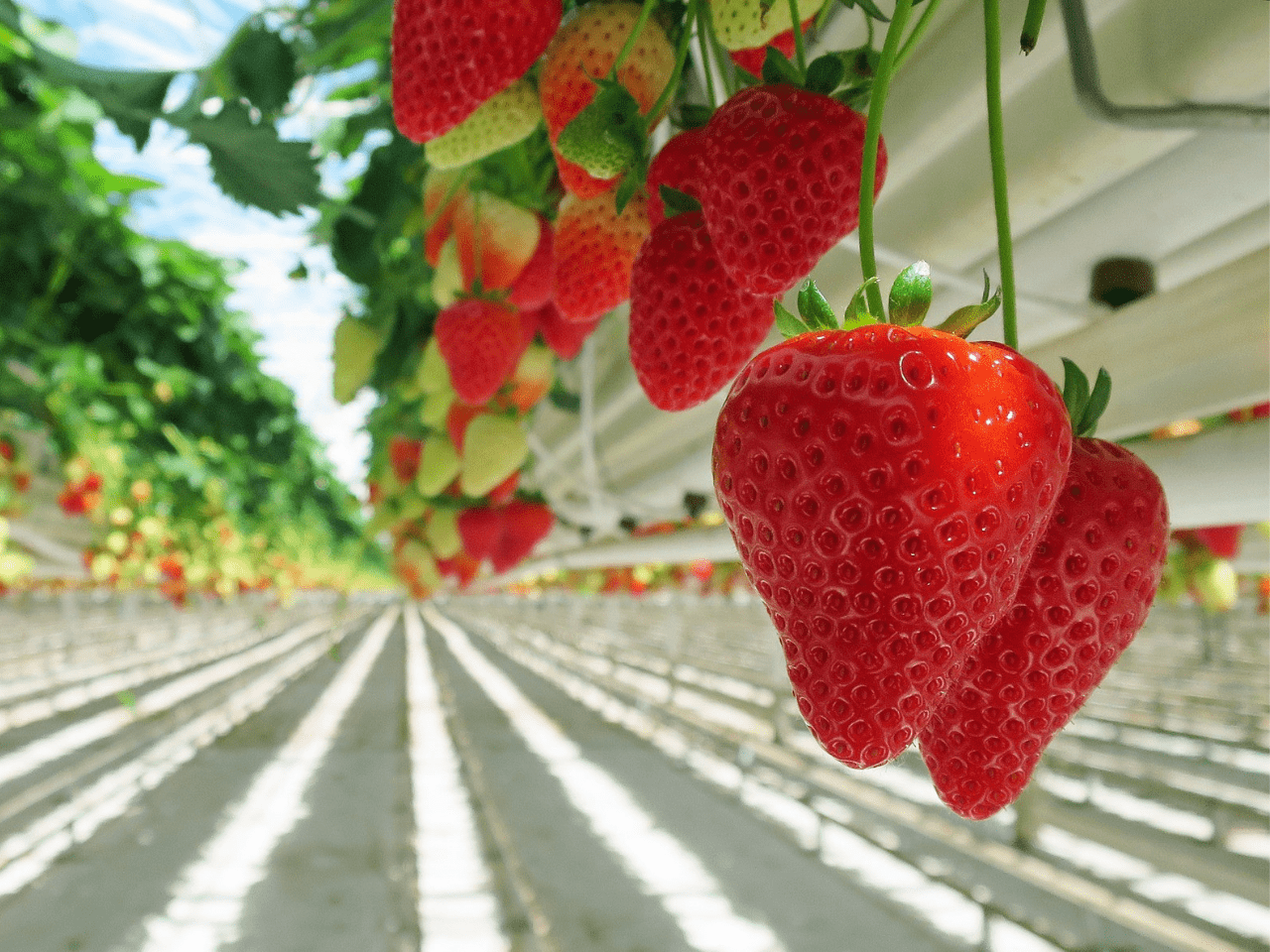
Farms in the Medway catchment produce around £332 million worth of fruit each year, including apples, cherries, plums and strawberries enjoyed by households across the UK.
However, growers are operating in one of the driest parts of the country. Many depend heavily on irrigation, while increasingly frequent periods of drought and intense rainfall are placing pressure on farms, rivers and groundwater supplies.
A new impact report published by WRAP highlights the progress being made through its Water Roadmap Collective Action Project. The work is being delivered in partnership with the South East Rivers Trust and organisations from across the food and farming sectors.
The project supports growers to introduce practical and sustainable water-management measures that strengthen their businesses while reducing pressure on the wider water environment.
Supporting growers to become more water resilient
Through workshops, farm visits and demonstration events, the project team has worked directly with growers to understand the water challenges they face and identify solutions suited to their farms.
So far, the project has:
- Engaged more than 300 farmers and 35 suppliers in collective water stewardship activities
- Supported over 30 farms to co-design water-management plans
- Secured over £214,000 in co-funding for measures that strengthen water resilience
- Identified opportunities to capture more than 23 million litres of water each year
Water-management plans help farms identify ways to reduce their reliance on mains water and abstraction from rivers and groundwater.
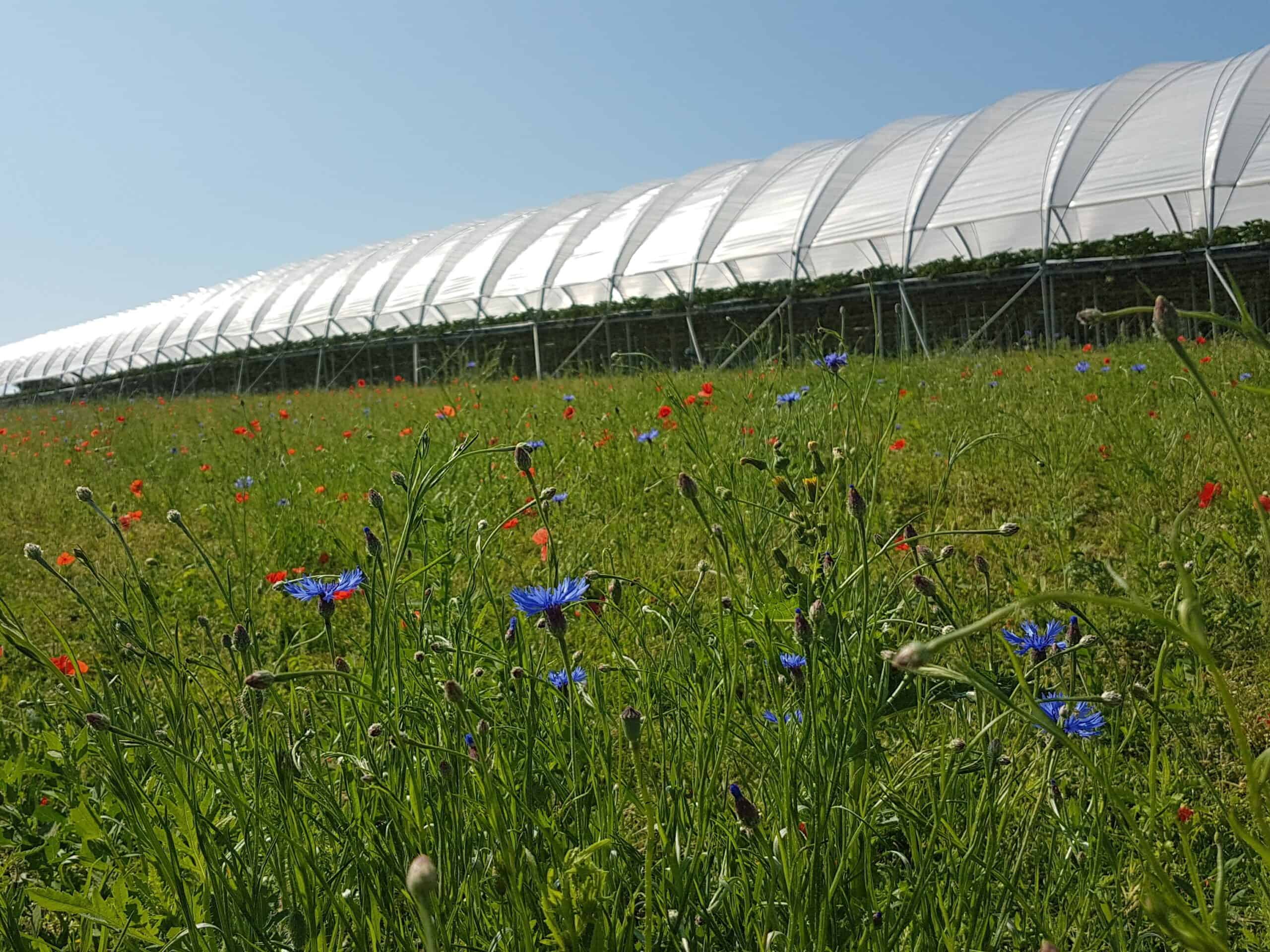
Potential solutions include rainwater harvesting, wetland creation and improved water-storage systems. These measures can help farms capture water during wetter periods and use it more efficiently when rainfall is limited.
Working together across the food supply chain
The project forms part of the UK Food and Drink Pact’s Water Roadmap, which brings together farmers, food and drink businesses, retailers, regulators and environmental organisations to improve water stewardship in priority catchments.
Working collectively allows organisations to address water challenges at a greater scale than they could achieve individually.
This coordinated approach is helping to secure water for food production while protecting river flows, groundwater and the habitats that depend on them.
The work also forms part of our Holistic Water for Horticulture project, which supports growers across the region to develop long-term resilience through more sustainable land and water management.
Building resilience for the future
Climate change is increasing the likelihood of both prolonged dry periods and intense rainfall. Collaboration across the food supply chain will therefore become increasingly important for maintaining productive farms and healthy rivers.
The work in the Medway demonstrates how collective action can help growers prepare for changing conditions while protecting the shared water resources that communities, businesses and wildlife rely on.
Discover how growers are strengthening water resilience
Explore the Holistic Water for Horticulture project and learn how we are working with farmers and partners to support sustainable water management.