Natural Flood Management in the Medway
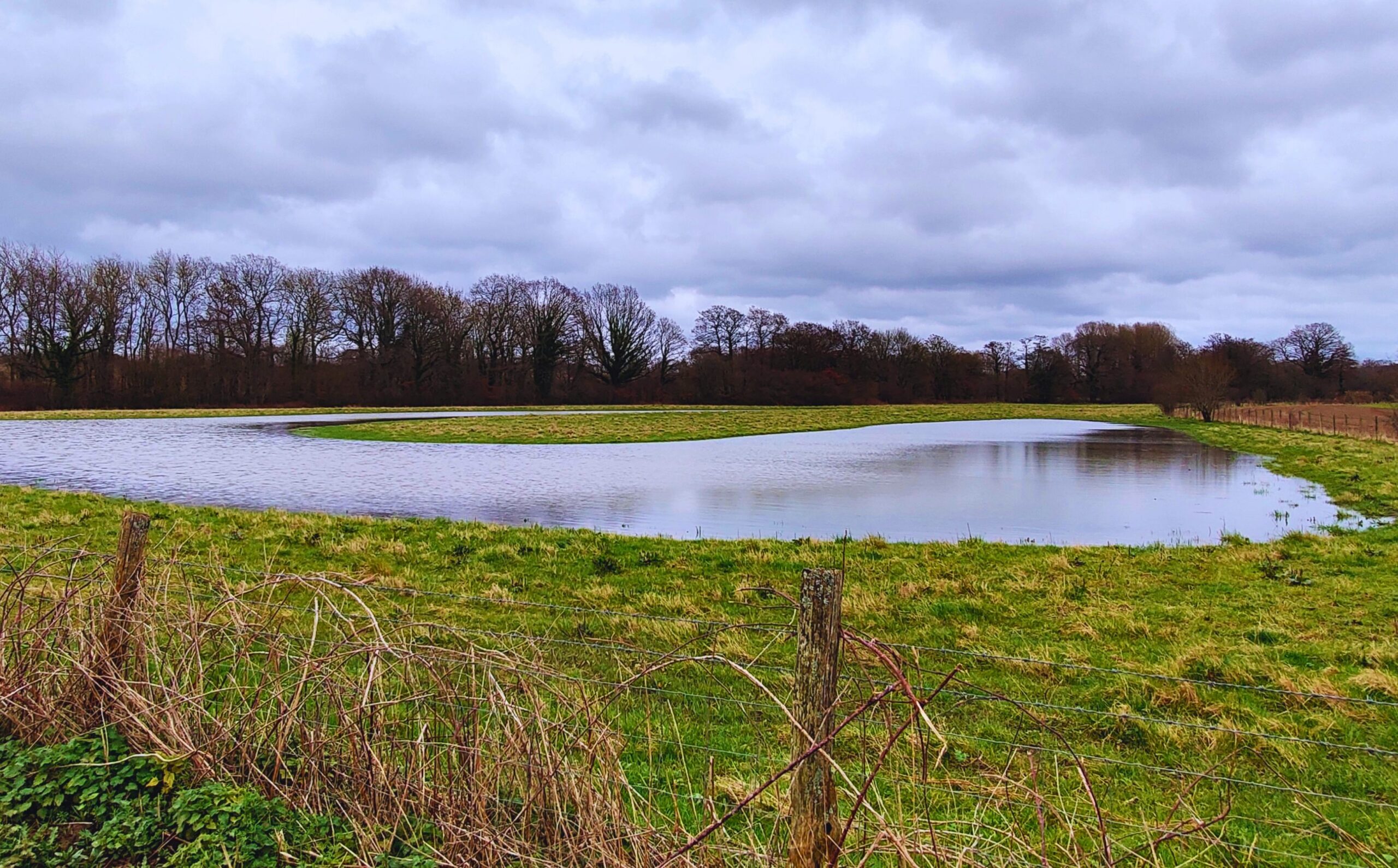
Working with landowners and partners across Kent, we delivered Natural Flood Management projects that help reduce flood risk while supporting wildlife and improving river catchments.
If you’ve spotted pollution or an environmental problem on a waterway, please report it directly to the Environment Agency via GOV.UK or call their 24/7 incident hotline on 0800 80 70 60.
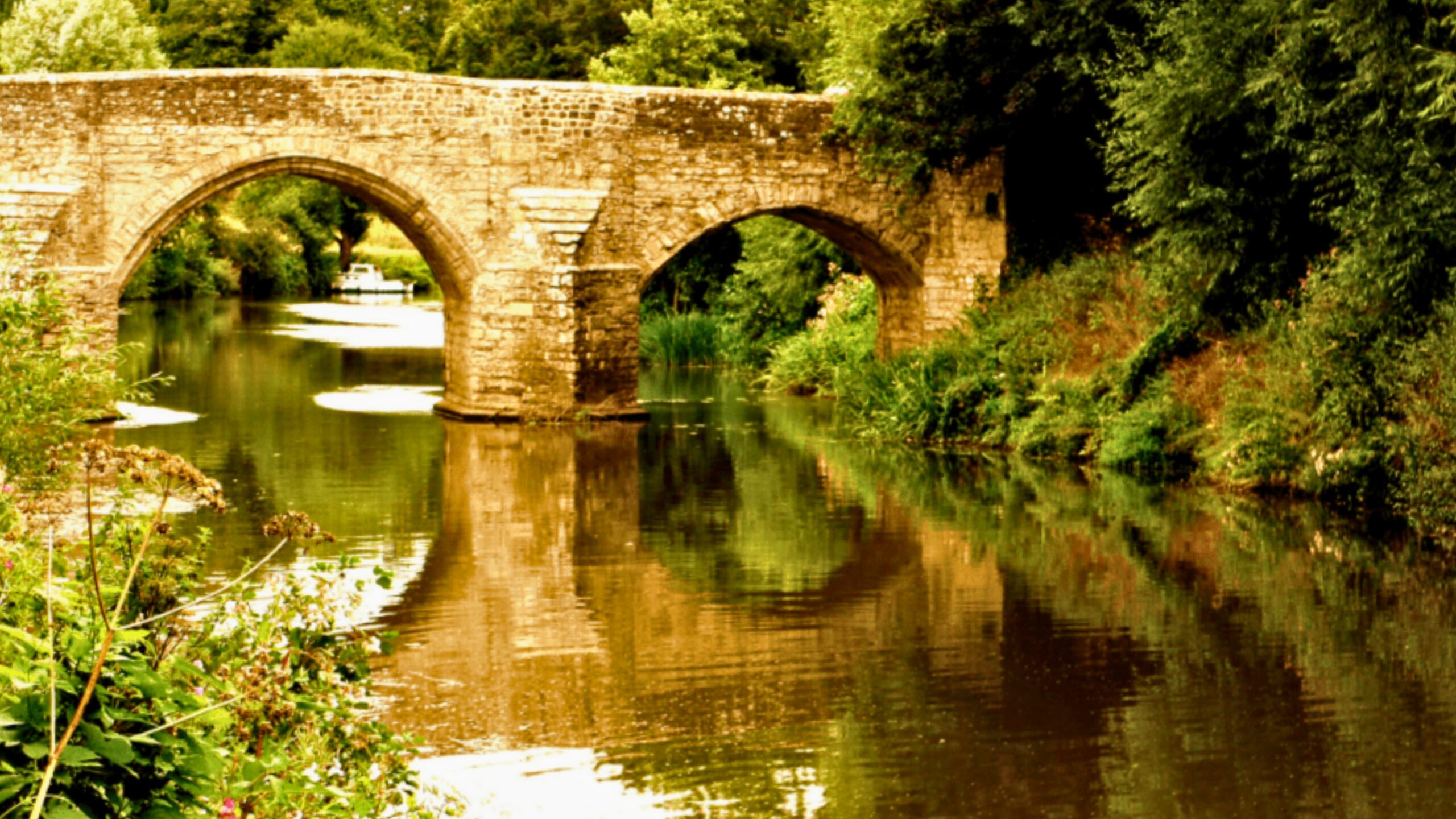
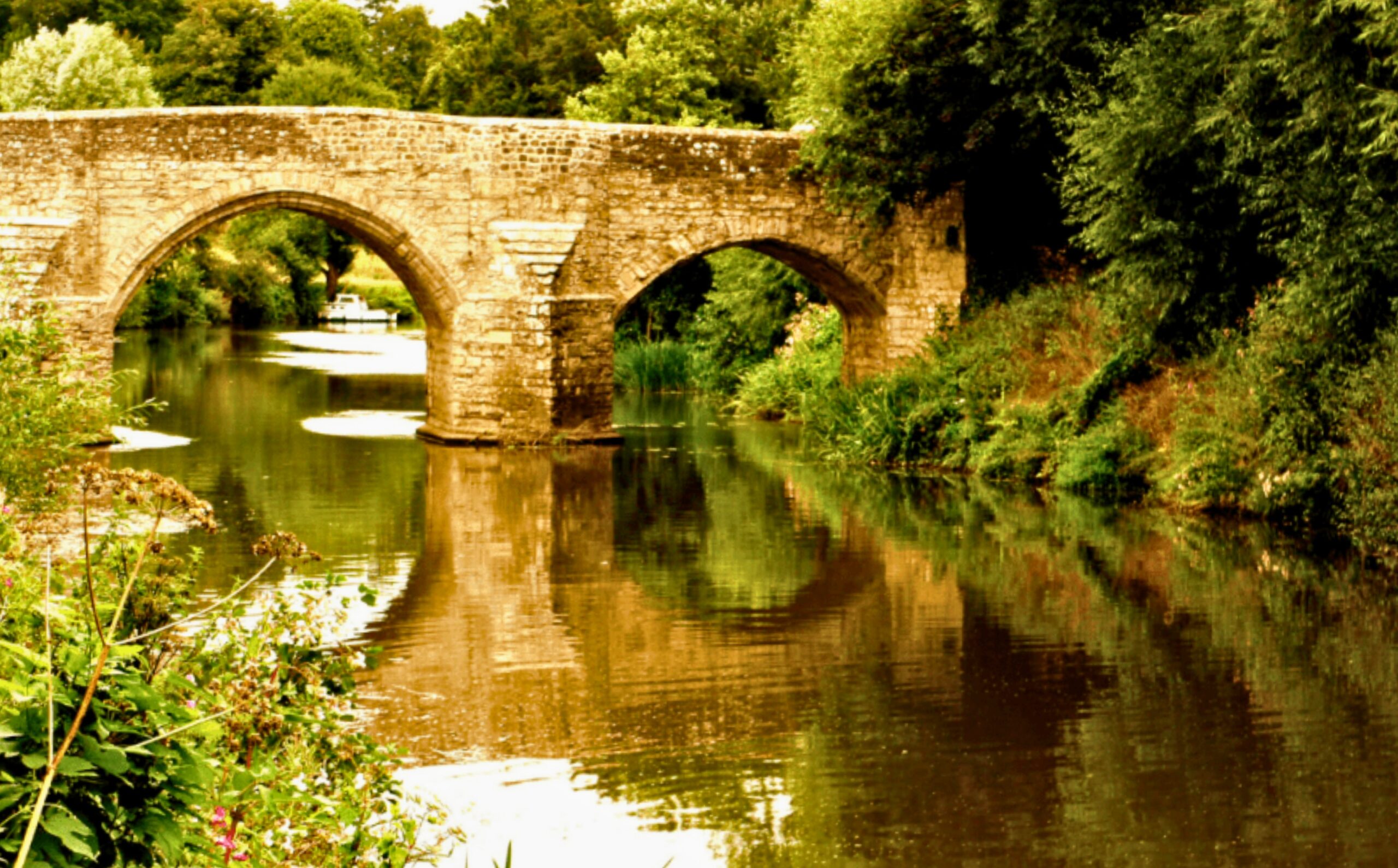
The River Medway flows through Sussex and Kent, connecting Wealden streams, rural landscapes, towns and an internationally important estuary. We’re working with partners to restore this diverse river system for people and wildlife.
The River Medway rises from springs in Ashdown Forest in Sussex before flowing north east through the landscape and into Kent.
The wider river network includes the Upper Medway and major tributaries such as the rivers Eden, Beult and Teise. These waterways meet around Penshurst and Yalding, near Tonbridge, before the Medway continues through Maidstone and the Medway towns.
The middle Medway is a historic navigation with 11 locks. It was opened upstream of Maidstone during the 17th century, helping transport goods including corn, fruit, stone and timber.
Downstream of Allington Lock in Maidstone, the river becomes tidal. It then flows into the Thames Estuary and towards the North Sea.
The Medway and many of its tributaries are known as Wealden rivers. They rise from springs across the High Weald, where sandy ground meets layers of impermeable clay.
The iron-rich headwater streams support distinctive populations of brown trout. The wider river system is also home to fish including chub, dace, roach, pike, bream, tench, minnows, gudgeon, bullheads, brook lampreys and perch.
At the end of its journey, the river passes through the Medway Estuary. This nationally and internationally important habitat supports thousands of breeding and wintering birds, alongside a diverse range of other wildlife.
The Medway also supports local communities, farming, recreation and navigation. Restoring the river across the whole catchment helps these different needs work together more sustainably.
The Medway faces pressures from pollution, modified and degraded habitats, flooding, drought and impacts on fisheries.
What happens in the upper catchment can affect communities and habitats further downstream. Climate change and increasing pressure on water resources make it even more important to help the landscape slow, store and clean water naturally.
By working across the entire catchment, we can improve habitats, strengthen the river’s resilience and create lasting benefits for wildlife and people.
We co-host the Medway Catchment Partnership with the Medway Valley and Kent High Weald Countryside Partnerships.
Together, we bring organisations, landowners and communities together to improve the health of the river and its tributaries.
Our work across the catchment includes restoring river and wetland habitats, improving water quality, supporting more sustainable water management and using natural processes to build resilience to flooding and drought.
Explore the River Medway catchment, learn about the pressures affecting its rivers and discover how organisations, landowners and communities are working together to restore it for people and wildlife.