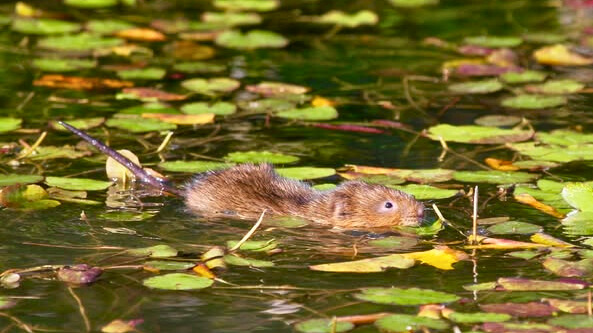
Project overview
From September 2023 to 2025, the South East Rivers Trust worked with Citizen Zoo and other partners to restore habitat and bring water voles back to the Upper Hogsmill River and Chamber Mead wetlands in Ewell, Surrey.
The work formed part of the WET Hogsmill project, funded through Natural England’s Species Recovery Programme. Around 50 water voles were released in July 2025, helping to strengthen the wider population established further downstream and support the species’ long-term recovery along the Hogsmill.
Why water voles needed our help
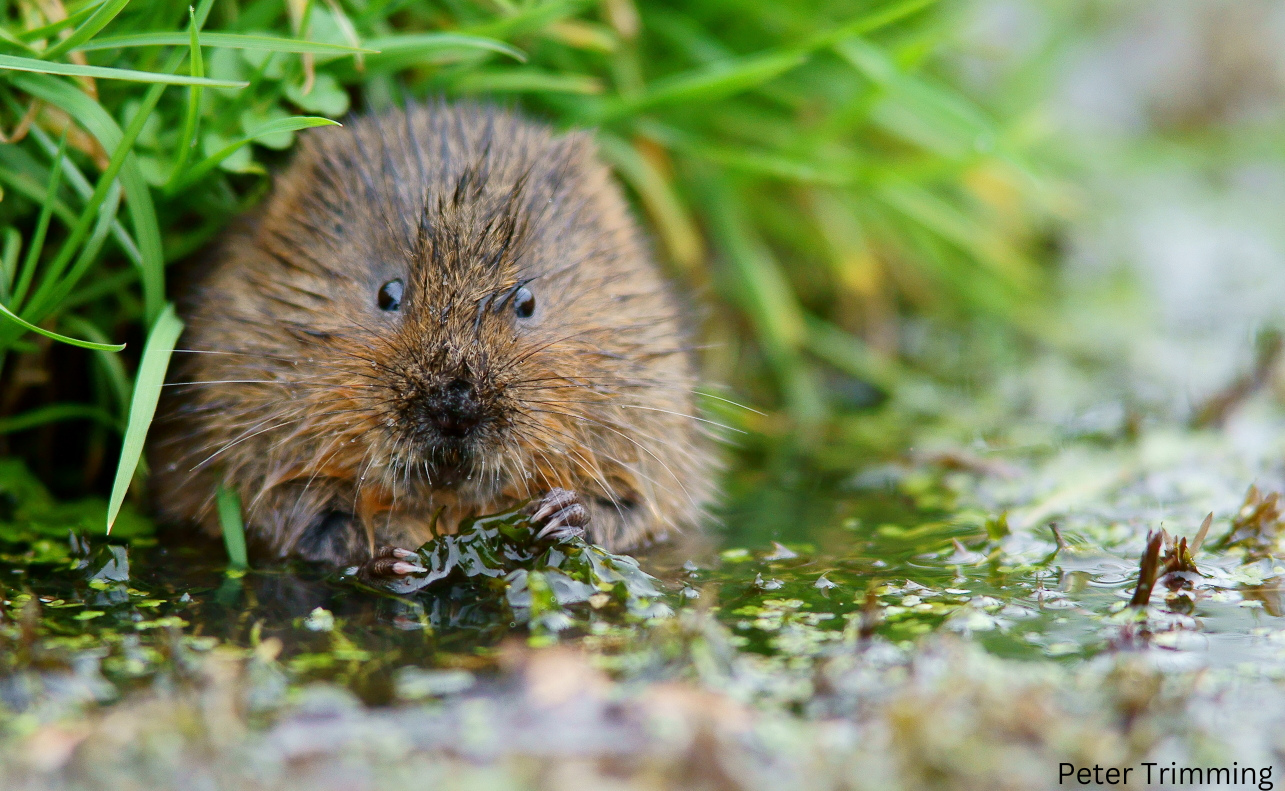
Water voles are an important part of healthy wetland and river ecosystems, but their numbers have declined dramatically across the UK.
They need riverbanks with plentiful vegetation for food and cover, together with suitable soil in which to create their burrows. The loss and fragmentation of this habitat, combined with predation by invasive American mink, has caused populations to disappear from many rivers.
Water voles were once widespread along the Hogsmill but had become locally extinct in Surrey. Restoring them required more than releasing animals: the river first needed suitable, connected habitat where a population could become established.
Restoring their river home
The Hogsmill is a rare urban chalk stream and the first tributary to join the non-tidal River Thames. Chalk streams provide distinctive habitats for wildlife but have been affected by pressures including pollution, habitat loss and modifications to their natural channels.
Years of restoration along the Hogsmill helped create the conditions needed for water voles to return.
A particularly important part of this work was the creation of Chamber Mead wetlands by South East Rivers Trust in partnership with Epsom & Ewell Borough Council. The wetlands provide dense bankside vegetation for food and shelter, suitable riverbanks for burrowing and connected habitat through which water voles can move.
The wider restoration programme also worked to improve water quality, habitat diversity and ecological connectivity along the river.

Releasing the water voles
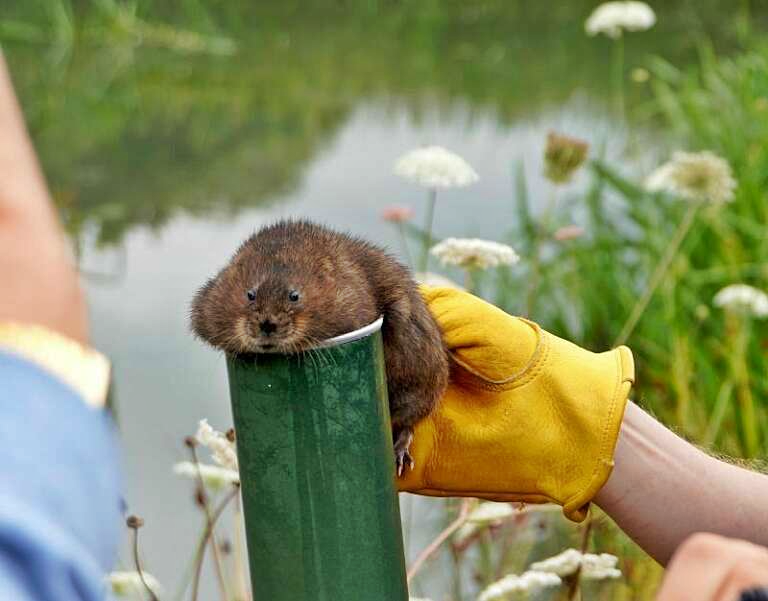
The South East Rivers Trust worked with conservation charity Citizen Zoo to release around 50 captive-bred water voles at Chamber Mead and along the adjacent Hogsmill River on 30 July 2025.
The animals were bred by Wildwood Trust, which specialises in conservation breeding and the recovery of native species.
The release complemented an earlier reintroduction led by Citizen Zoo on the Lower Hogsmill in Kingston, where 101 water voles were released in 2022. Establishing a population further upstream helped expand the area occupied by water voles and strengthen the genetic diversity and resilience of the wider Hogsmill population.
Monitoring their progress
Monitoring is essential to understand how the water voles are using the river and whether the population is successfully establishing.
Citizen Zoo and South East Rivers Trust continue to monitor the animals using camera traps, latrine rafts, a clay tracking raft and field surveys.
Because water voles can be difficult to see, surveys also look for characteristic signs such as:
- burrows in riverbanks
- feeding remains
- vegetation chewed at a distinctive angle
- footprints
- latrines containing their recognisable droppings
This evidence helps the project team track where the animals are living, how they are moving along the river and how the population is developing.
Working together for nature recovery
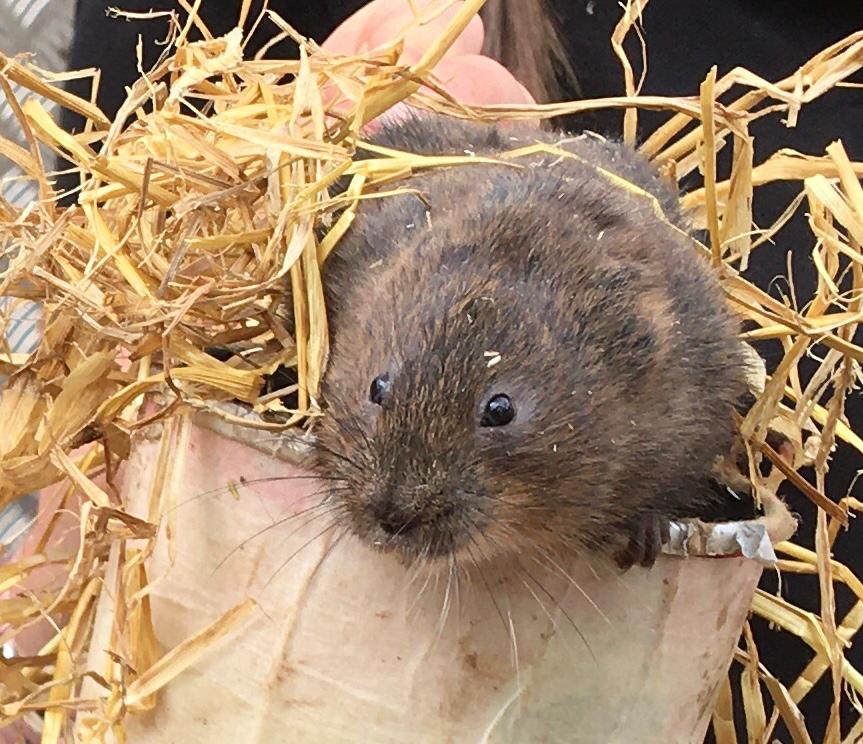
The return of water voles to the Upper Hogsmill was made possible by years of habitat restoration and collaboration between conservation organisations, local government, funders, landowners, volunteers and the surrounding community.
The project formed part of WET Hogsmill, which ran from September 2023 to 2025 and created or improved habitats for water voles, European eels and native trout.
WET Hogsmill was one of 63 projects supported through £14.5 million from Natural England’s Species Recovery Programme. South East Rivers Trust delivered the project in partnership with Citizen Zoo.
The water vole reintroduction was also supported by Wildwood Trust, Epsom & Ewell Borough Council and Thames Water.
A lasting legacy for the Hogsmill
The release was a major milestone, but the lasting success of the project depends on protecting and connecting good-quality habitat throughout the catchment.
Ongoing monitoring will help us understand how the population is developing and guide future conservation work along the river.
The project demonstrates the positive difference that sustained river restoration can make. By creating healthier habitats before returning a lost species, we have given water voles a stronger opportunity to establish, spread and once again become a familiar part of the Hogsmill.
Discover the latest water vole news
See the latest monitoring evidence and find out how the Hogsmill’s water voles are progressing one year after their release.