Project overview
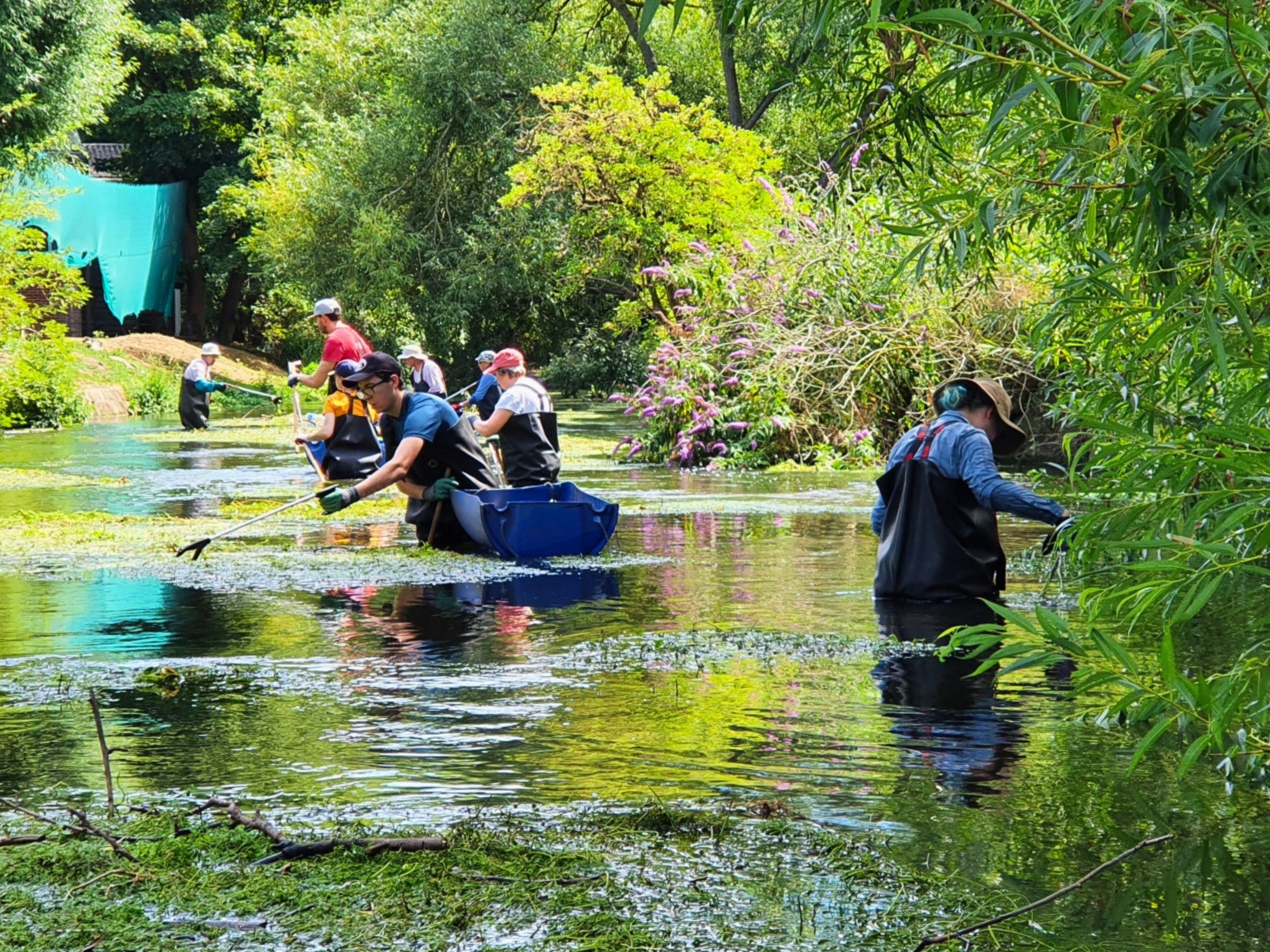
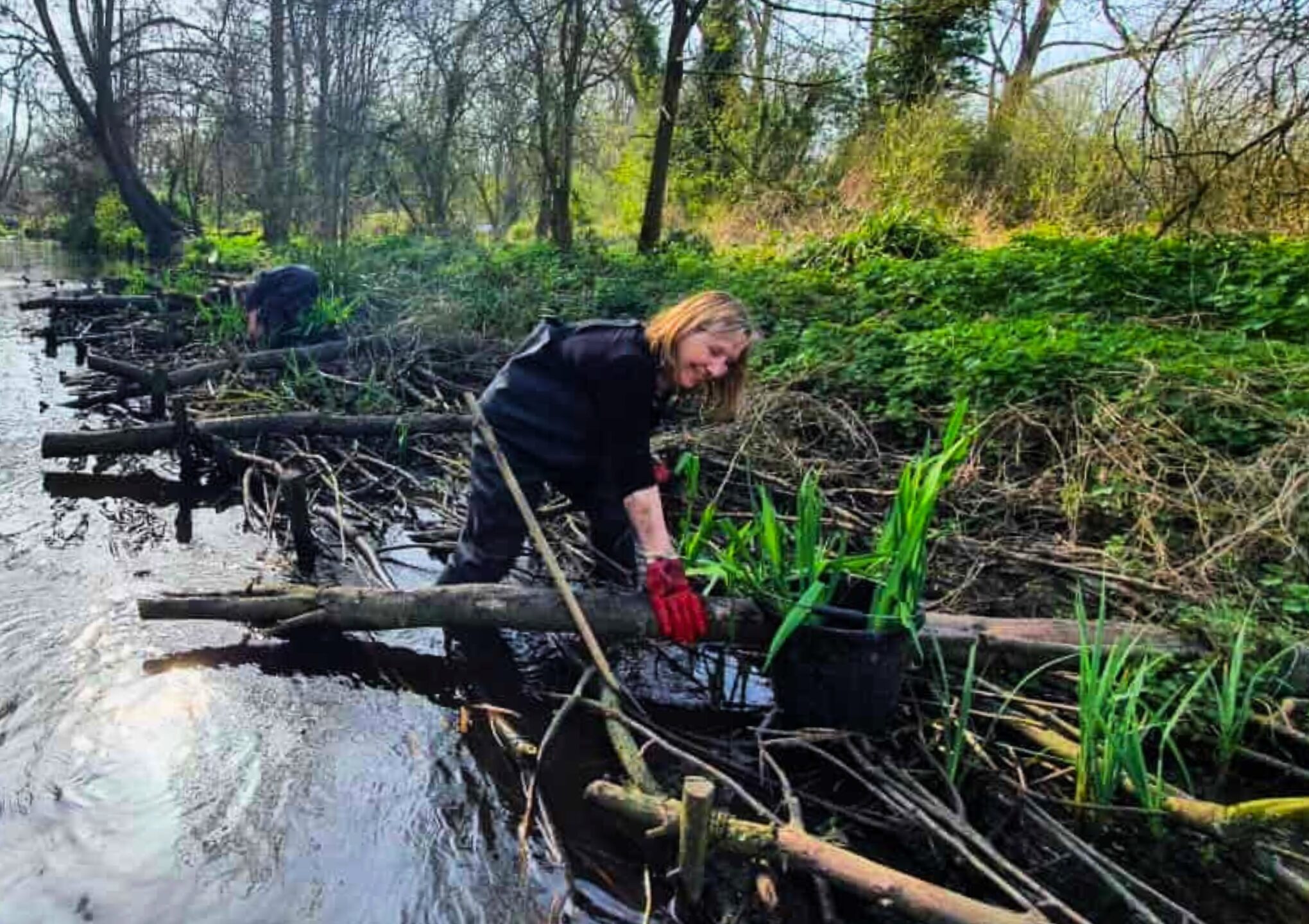
We are restoring sections of the River Wandle as it flows through Morden Hall Park in South London — improving habitats, enhancing natural river processes and creating space for wildlife to thrive.
Working in partnership with National Trust and supported by a dedicated team of volunteers, this project builds on previous restoration work delivered in 2015 and 2020.
Through a series of volunteer-led restoration days, we are increasing habitat diversity and strengthening the river’s resilience over the long term.
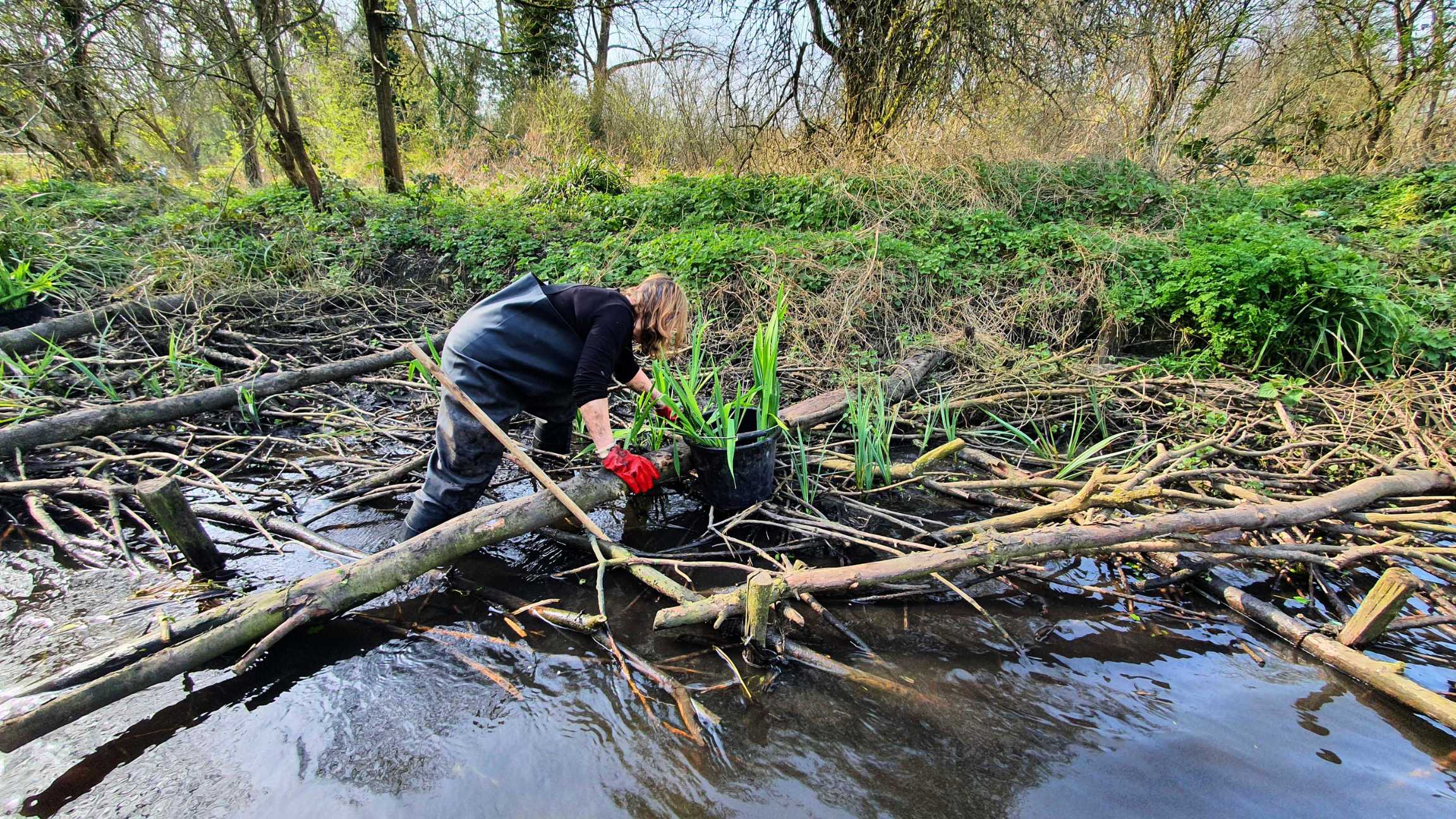
A volunteer helping with restoration work © South East Rivers Trust
Why it matters
Morden Hall Park is a unique riverside landscape, where the River Wandle splits into multiple channels as it flows through historic parkland.
While this creates valuable refuge areas for wildlife, much of the river has been heavily modified. Straightened, over-widened channels and artificial bank structures limit natural processes and reduce habitat quality.
Restoration is helping to:
- Improve habitat diversity for fish, invertebrates and plants
- Support spawning and nursery areas for fish
- Reduce pollution risks and improve water quality
- Restore more natural river processes
Where we’re working
Located in South London, Morden Hall Park is a nationally significant green space owned by the National Trust.
The River Wandle flows through the park in multiple channels — a legacy of its industrial past, including its use to power a historic snuff mill.
Today, the park provides an important opportunity to restore river habitats within an urban setting.
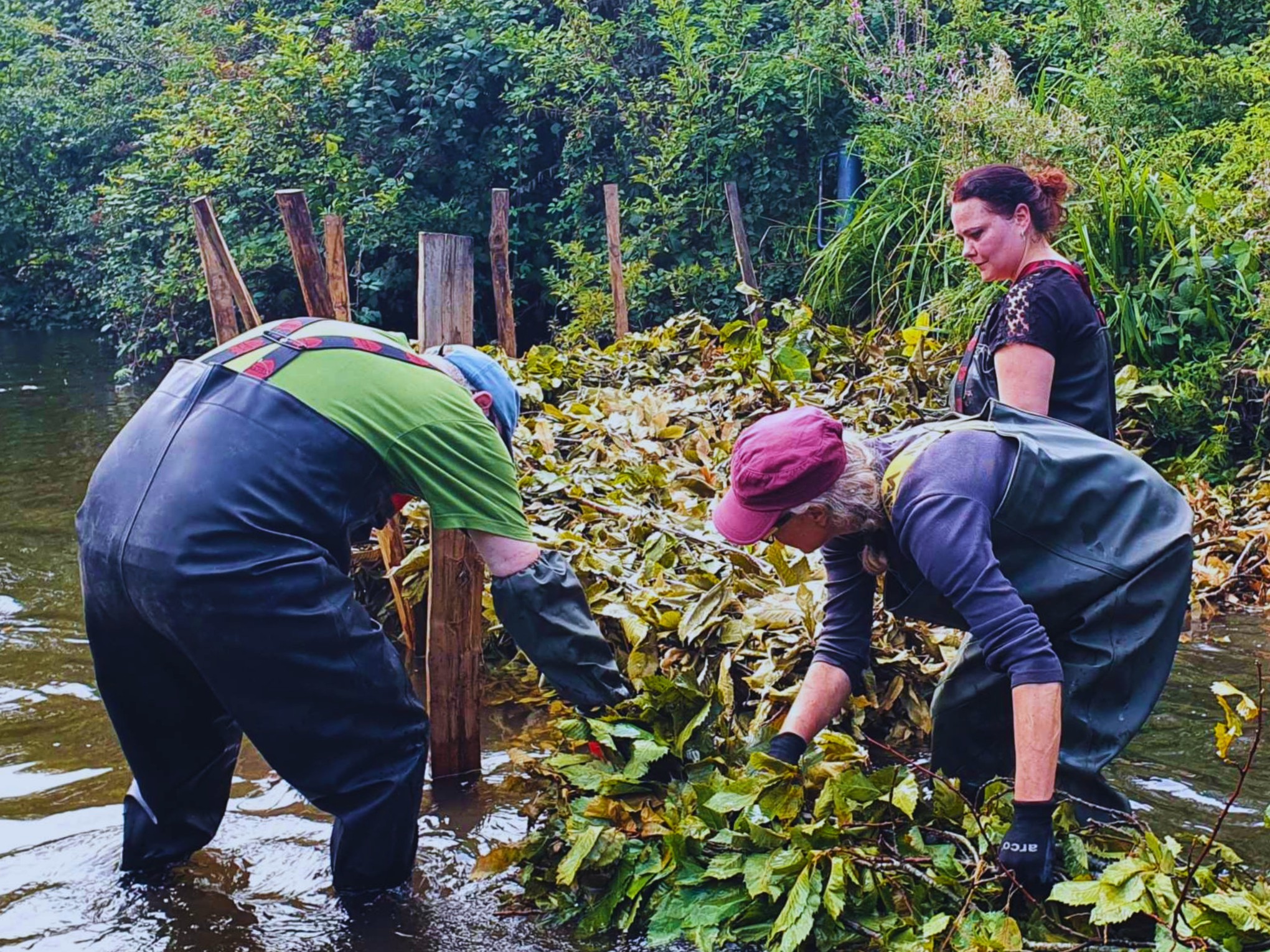
Volunteers building a brash berm © South East Rivers Trust
Our approach
We are working with volunteers to deliver practical, nature-based restoration techniques that help the river function more naturally.
These include:
- Narrowing over-wide channels to increase flow diversity
- Reintroducing natural features such as berms and deflectors
- Reprofiling riverbanks to create more natural slopes
- Removing artificial structures that limit natural processes
- Managing invasive species
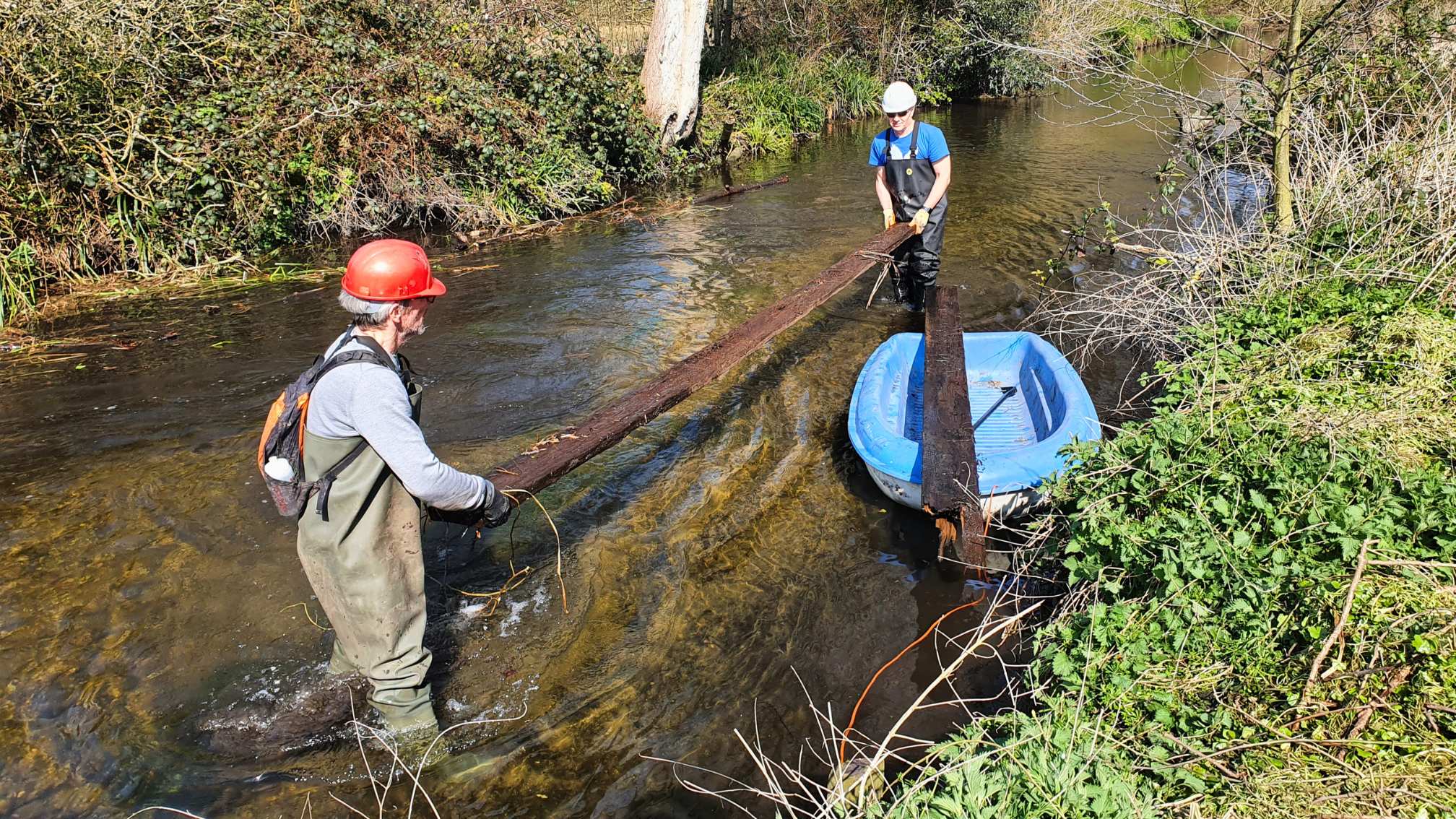
Removing the toe boarding to create a more natural bank © South East Rivers Trust
What we’ve delivered so far
Phase 1: Initial restoration (2015)
A 50-metre side channel was restored to create a refuge area for fish:
- Removal of chemical-laden toeboarding
- Installation of brash berms to narrow the channel and create a meander
- Reprofiling of riverbanks
- Creation of scrapes to provide nursery habitat for young fish
- Relocation of native plants to stabilise banks
This stretch now provides valuable refuge habitat and supports young fish populations.
Phase 2: Habitat improvements (2020–2022)
Working with volunteers, we began restoring a straightened channel near the wetland boardwalk:
- Installation of brash berms to improve channel shape and flow
- Increased flow energy to keep gravels clean for invertebrates and spawning fish
- Removal of 300 metres of toxic toeboarding
- Planting of native species including sedges and iris
- Management of invasive floating pennywort
This work forms part of a wider, catchment-scale effort to control invasive species along the River Wandle.
Phase 3: Volunteer-led restoration (2023)
During Wandle Fortnight, around 40 volunteers contributed to further improvements:
- Removal of over one tonne of floating pennywort
- Installation of four in-channel deflectors
- Creation of three additional brash berms
- Planting of native species including sedges and iris
These interventions are helping to diversify habitats, vary river flows and support a wider range of wildlife.
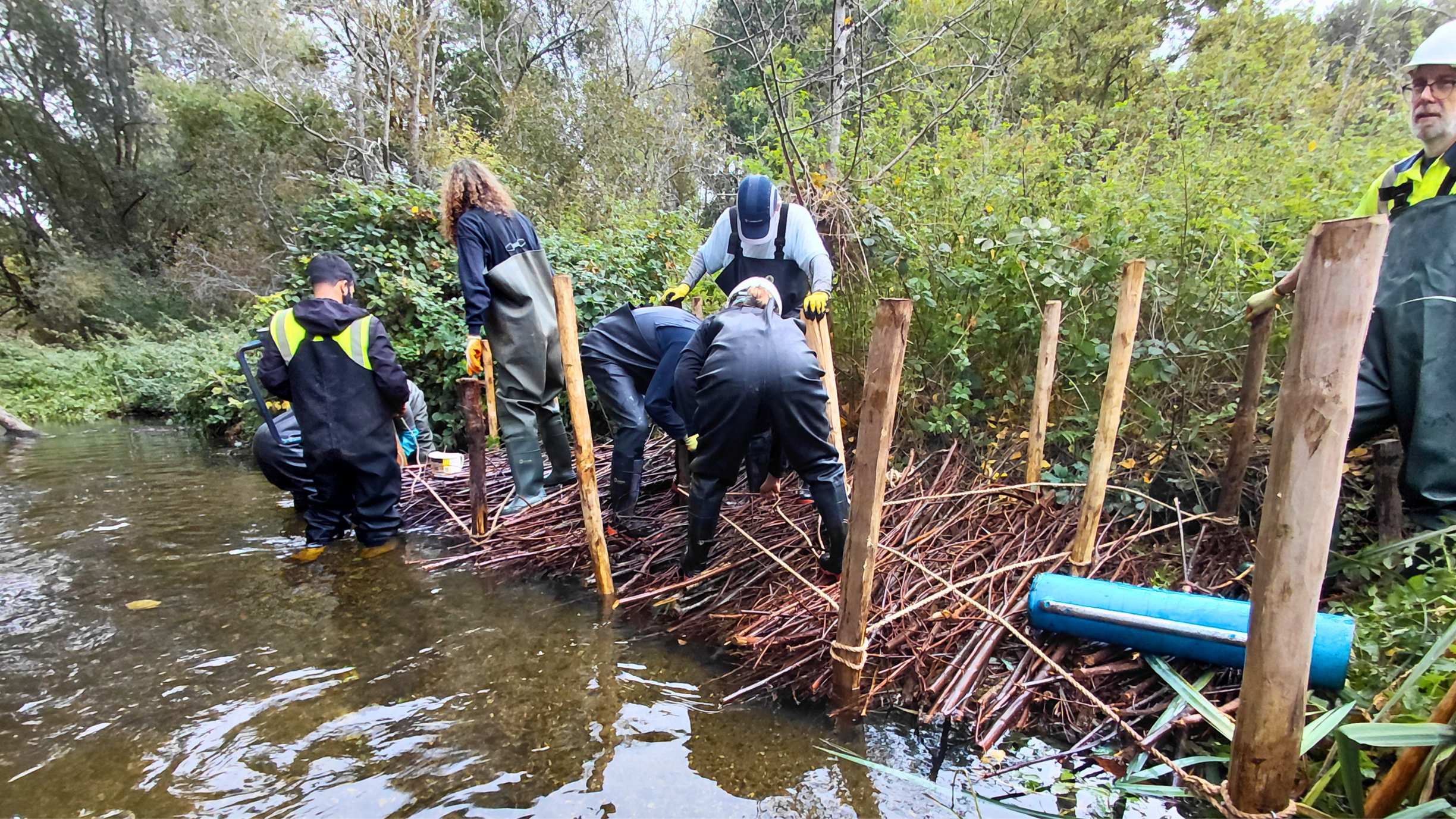
Typical restoration work carried out by SERT © South East Rivers Trust
Working with the community
Volunteers are central to this project, contributing time, skills and local knowledge to help restore the river.
By involving the community, we are not only improving the river environment but also building long-term stewardship of this important local space.
Volunteer with us
Join our community of river champions. Whether you can spare a few hours or volunteer regularly, you'll help collect vital data, restore habitats and take practical action to improve rivers for people and wildlife.