Project overview
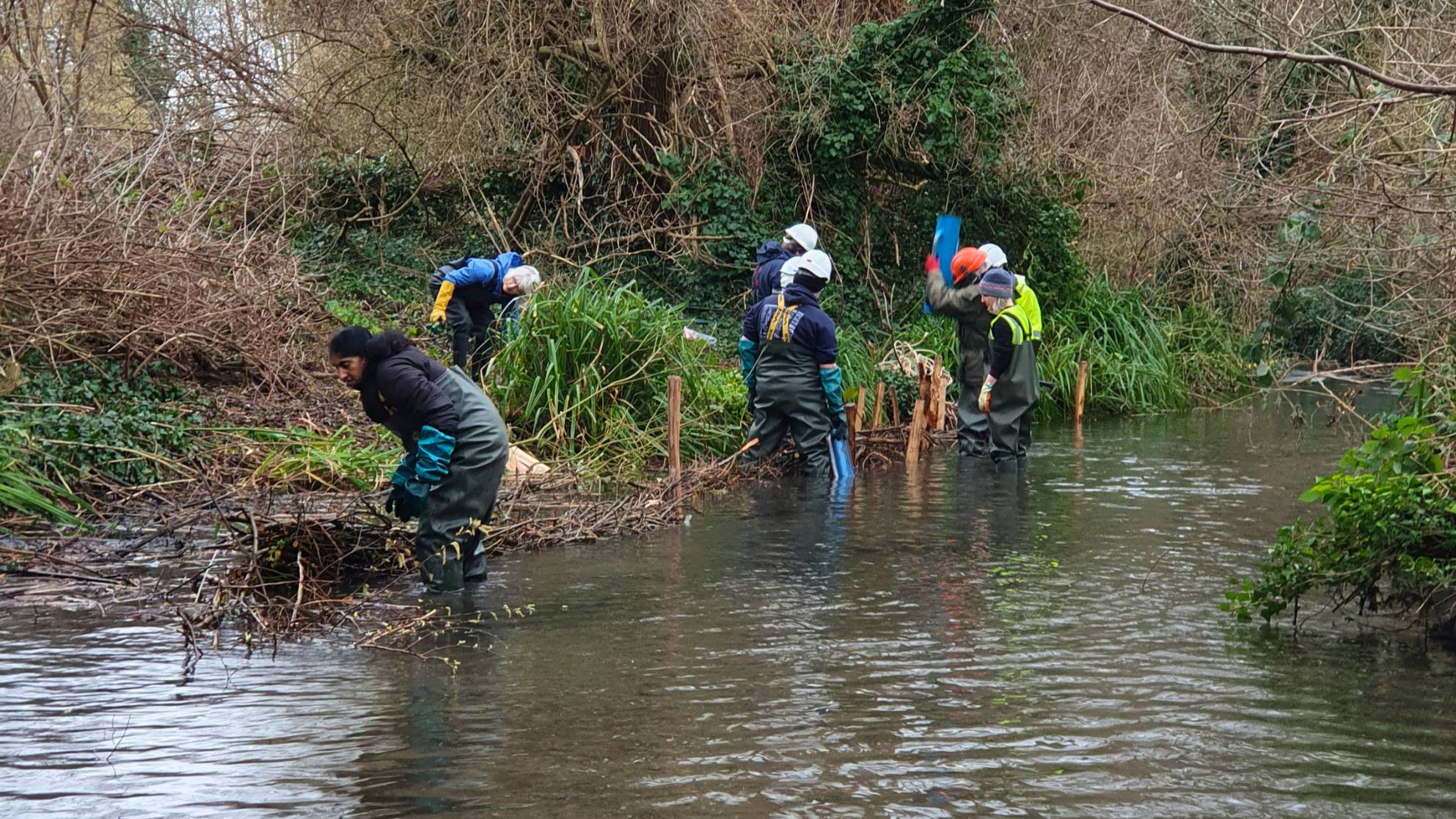
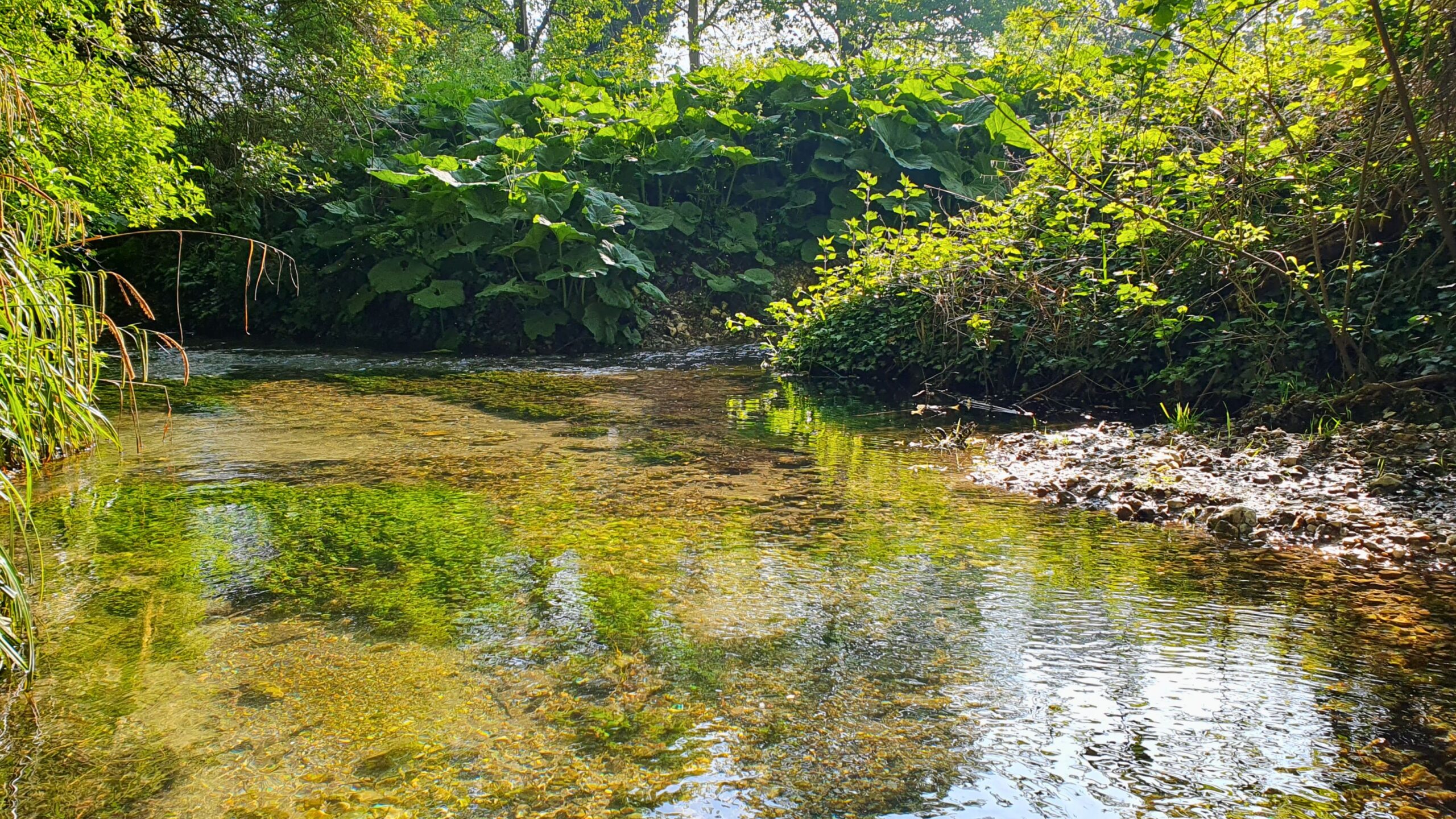
We are restoring a 1.4km stretch of the Upper River Cray through Riverside Gardens in Orpington and St Mary Cray, working to improve water quality, increase biodiversity and reconnect this historically modified chalk stream.
This project focuses on tackling key pressures — including pollution, low flows and habitat fragmentation — to help the river recover and function more naturally.
By working in partnership with local organisations, communities and volunteers, we are creating a healthier, more resilient river for both people and wildlife.
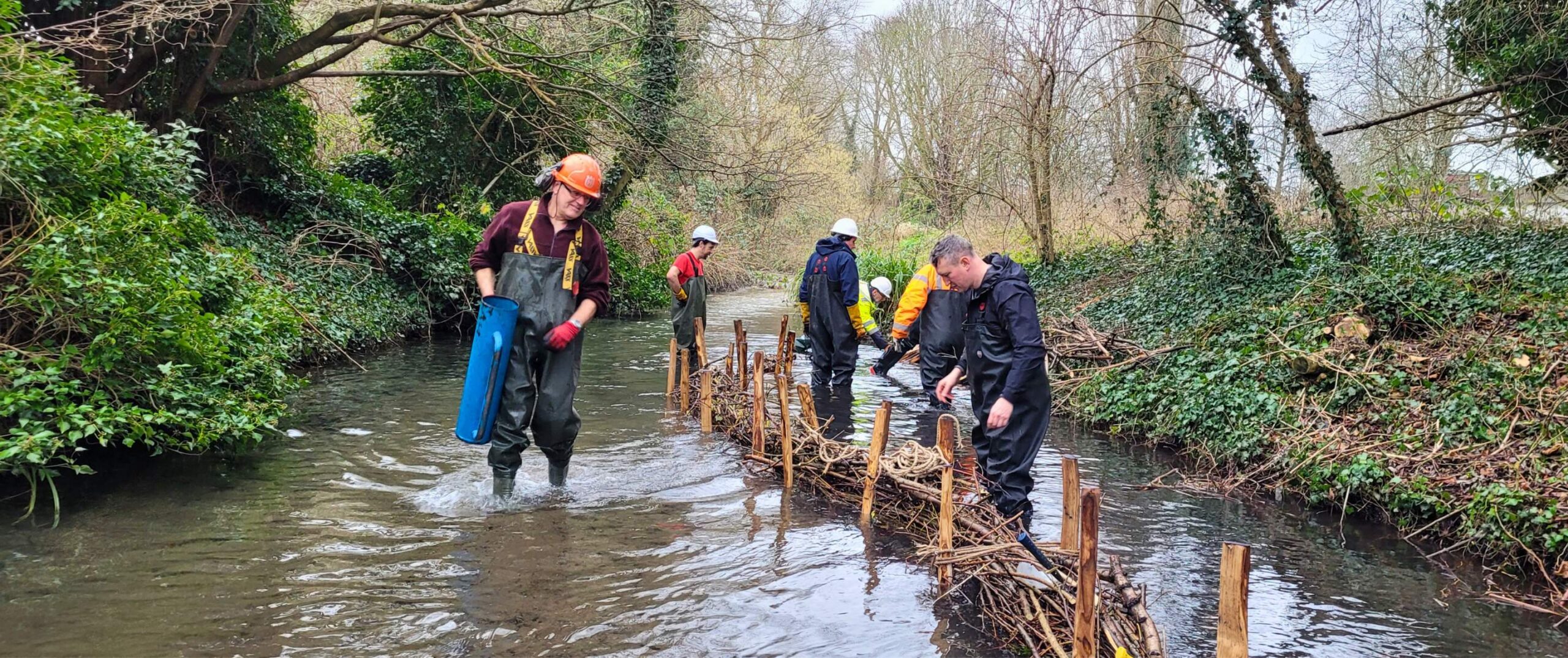
Volunteers creating a berm along the River Cray © South East Rivers Trust
Why it matters
The River Cray has been heavily modified over time, with pollution, altered channels and reduced flows limiting its ability to support wildlife.
Spanning 14.5km, the river is currently failing to meet ecological standards expected of chalk streams.
Restoring the Upper Cray will help to:
- Improve water quality and reduce pollution
- Restore habitats for fish, invertebrates and birds
- Reconnect the river for migrating species
- Build resilience to climate change
This work supports the ambition to achieve Good Ecological Potential by 2027, in line with the Cray and Shuttle Catchment Plan.
Where we’re working
The project focuses on Riverside Gardens and surrounding reaches of the Upper Cray, ending at Mill Brook Road upstream of Broomwood Lake.
This area is an important local green space, with wetlands designated as priority habitats and strong connections to the surrounding community.
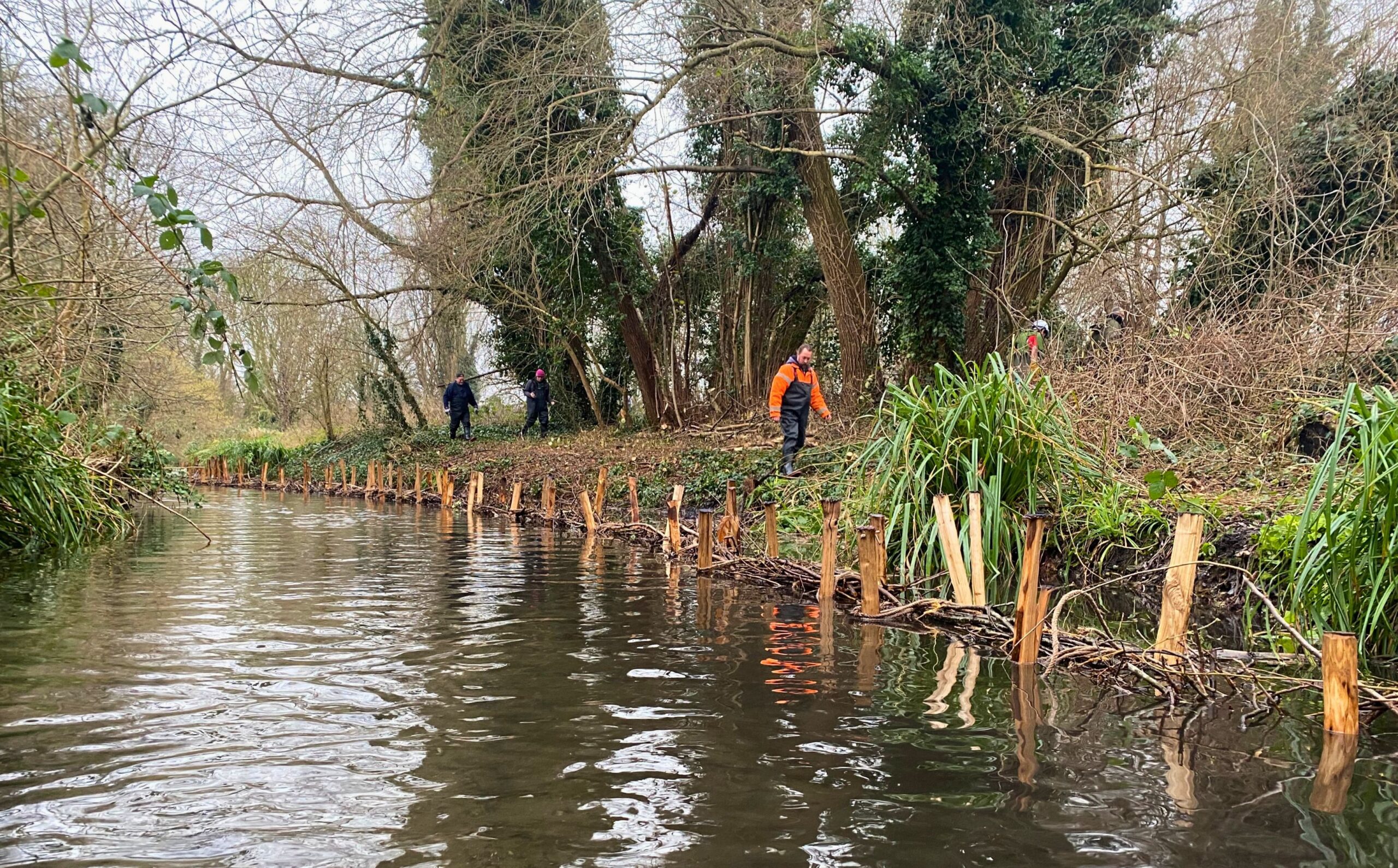
Berm building along the Upper Cray © South East Rivers Trust
Our approach
We are using a combination of habitat restoration and nature-based solutions to support long-term recovery of the river.
Wetland restoration and water quality improvements
Wetlands play a vital role in filtering pollutants and improving water quality.
At Riverside Gardens, we are:
- Reprofiling the wetland to create a range of water depths
- Reconnecting the wetland to the River Cray
- Installing a sediment trap to reduce road runoff and protect downstream habitats
- Planting native species to absorb nutrients and support wildlife
These improvements will help create a more resilient ecosystem while also storing carbon and supporting climate adaptation.
Improving river habitats and connectivity
We are also restoring over a kilometre of river habitat downstream by:
- Assessing barriers such as Snelling Weir and developing plans to improve fish passage
- Delivering in-stream habitat enhancements to increase flow diversity
- Creating better conditions for aquatic species and overall river health
Together, these actions will help reconnect the river and allow wildlife to move freely through the catchment.
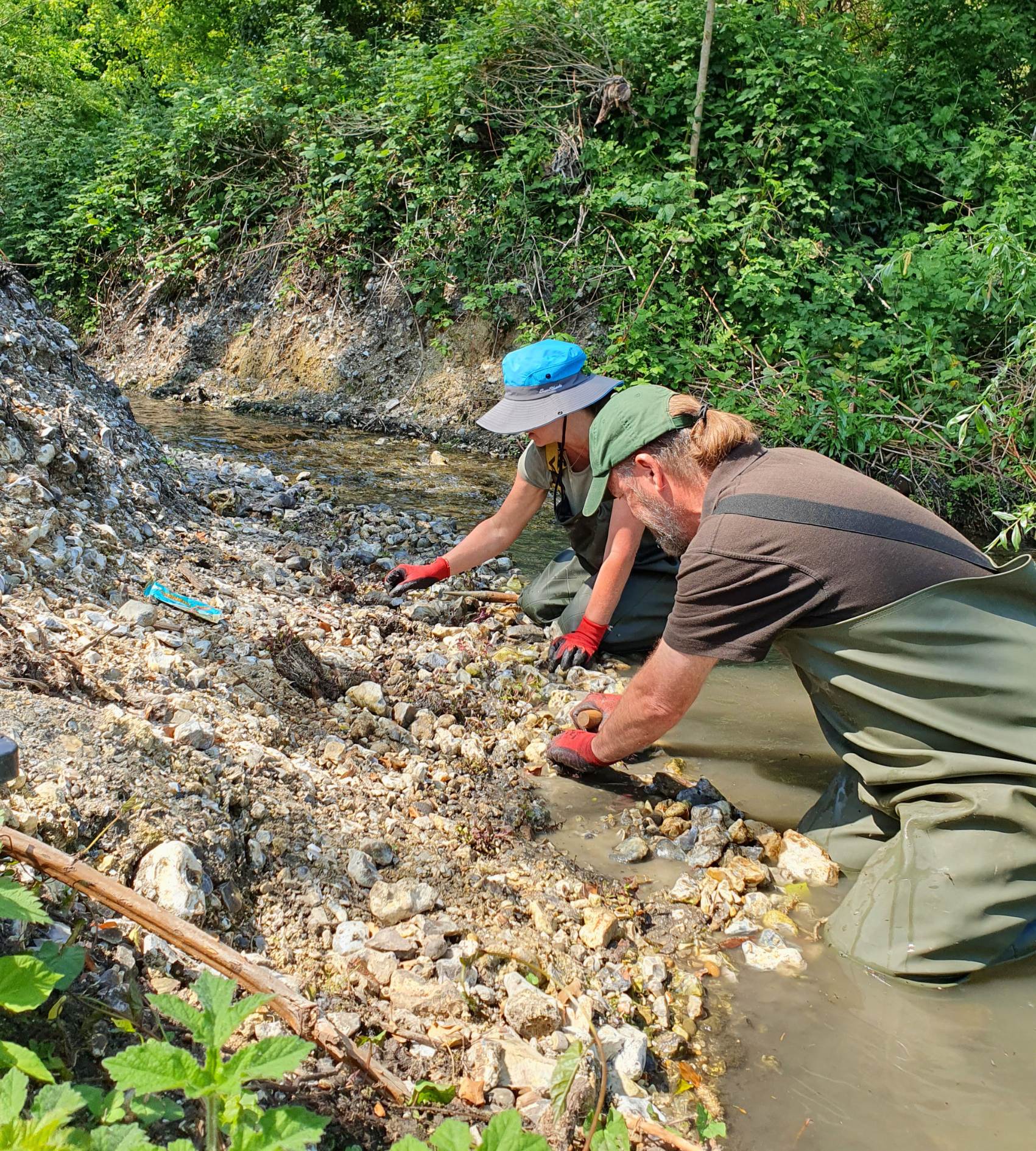
Volunteers planting along the banks of the Upper Cray © South East Rivers Trust
Working with the community
The Upper Cray is a valued local space, and community involvement is central to the project’s success.
We are working closely with volunteers, including those led by CRA20TEN, who bring valuable experience in pollution monitoring, clean-ups and habitat restoration.
The project also engages schools and local residents — helping to build long-term stewardship of the river in partnership with the London Borough of Bromley.
Partnership and funding
This project is delivered in collaboration with key partners, including:
- Environment Agency
- London Wildlife Trust
Funding has been provided by:
- Mayor of London
- London Borough of Bromley
- Thames21
This collaborative approach brings together expertise, funding and local knowledge to deliver meaningful change.
Be part of the Upper Cray's recovery
Help restore your local river. From volunteering to staying informed, there are many ways to support the transformation of the Upper Cray. Sign up for updates and volunteering opportunities.