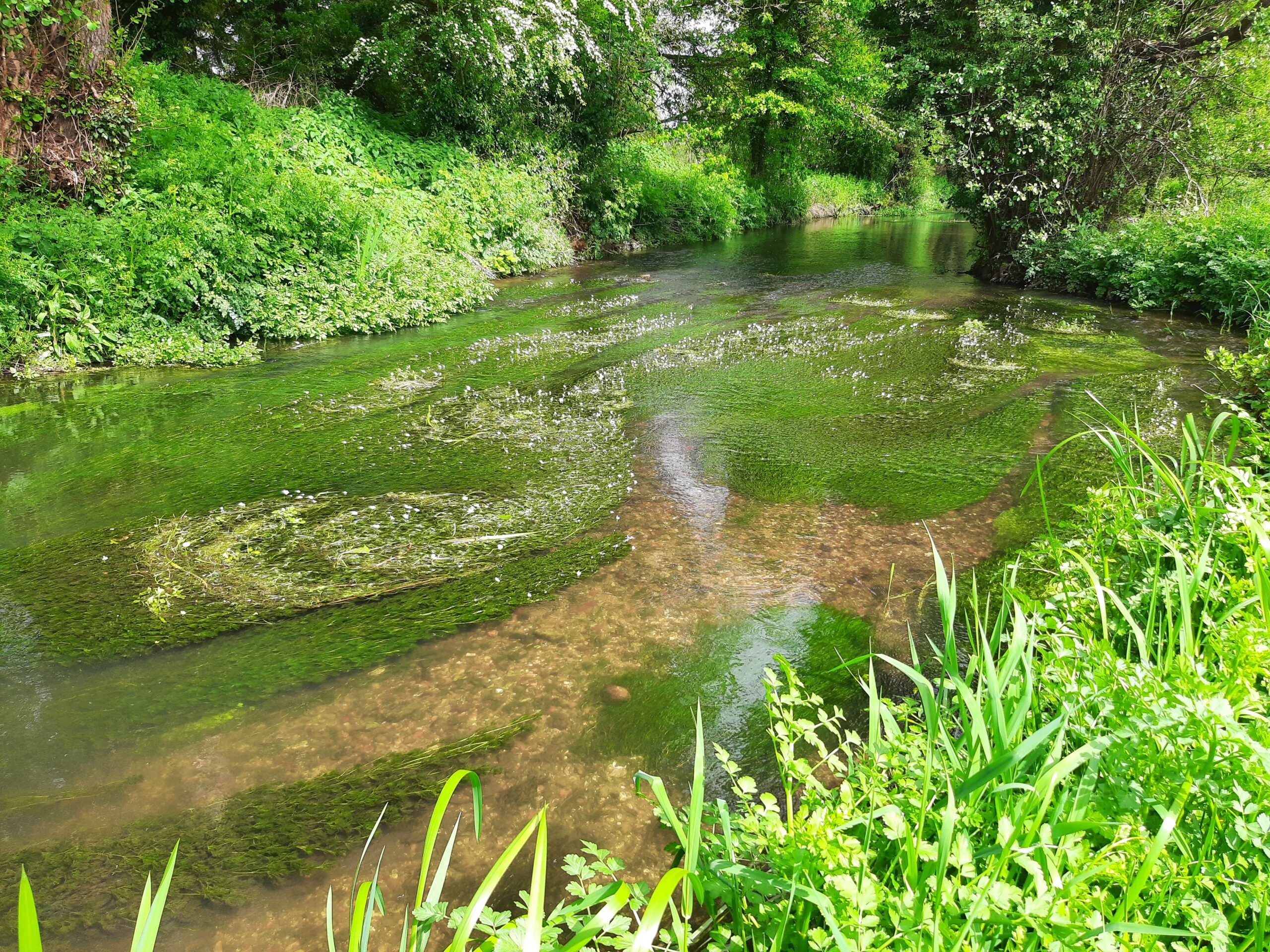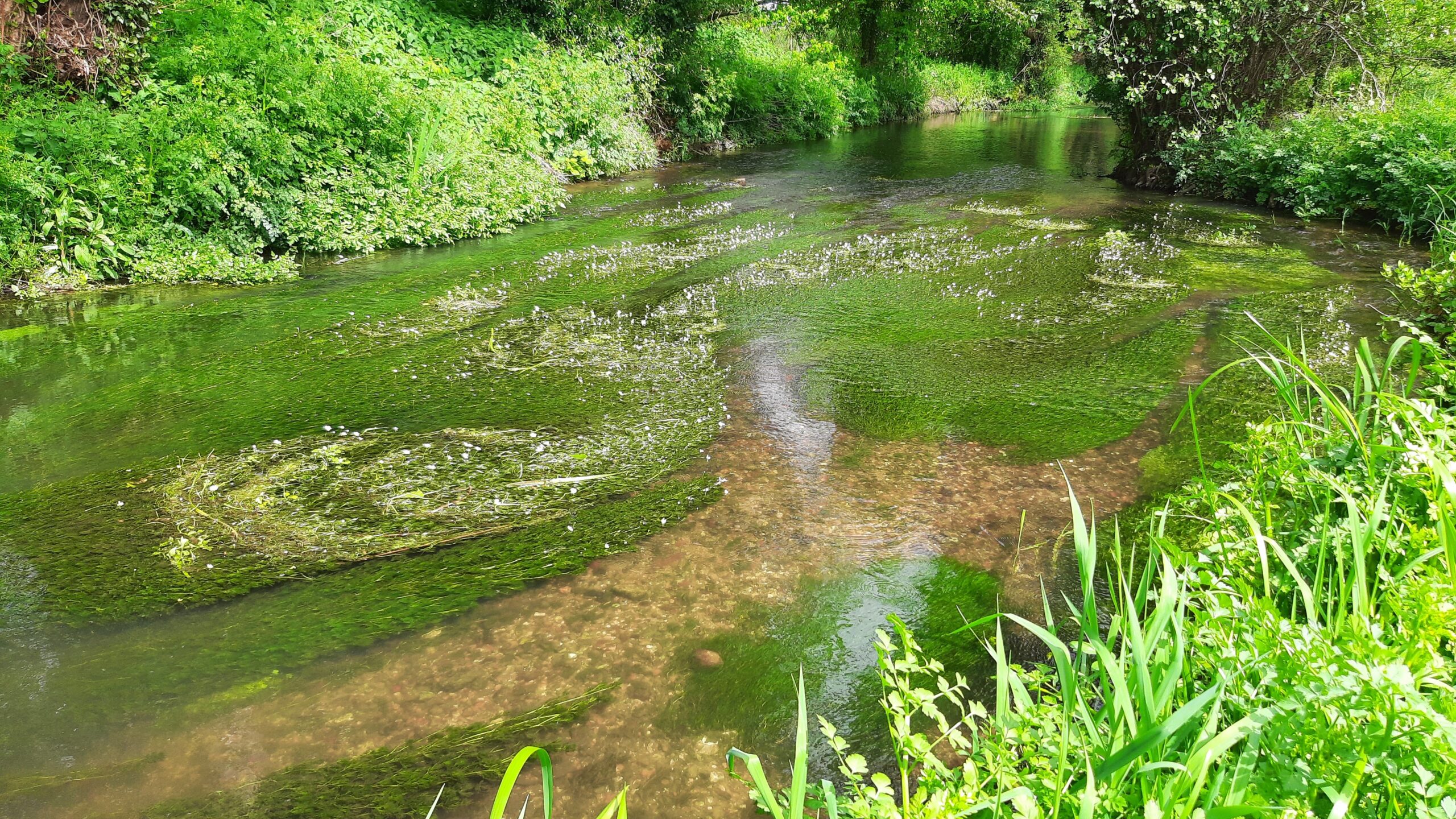
A new national report reveals that only 14% of England’s chalk streams achieve Good Ecological Status. But despite the challenges facing these rare rivers, restoration projects across the South East are helping to create a healthier future for wildlife and people.
Chalk streams are among the rarest freshwater habitats in the world, with around 85% found in England. Fed by water that filters through underground chalk, they’re known for their clear, cool waters and rich wildlife, including brown trout, kingfishers and water voles.
Yet these special rivers are under increasing pressure.
The Catchment Based Approach (CaBA) Chalk Stream Annual Review 2025/26 highlights the challenges facing England’s chalk streams, alongside encouraging evidence of progress and the work being done to protect and restore them.
Several South East Rivers Trust projects feature in the review, demonstrating how practical river restoration, research and partnership working can help these precious habitats recover.
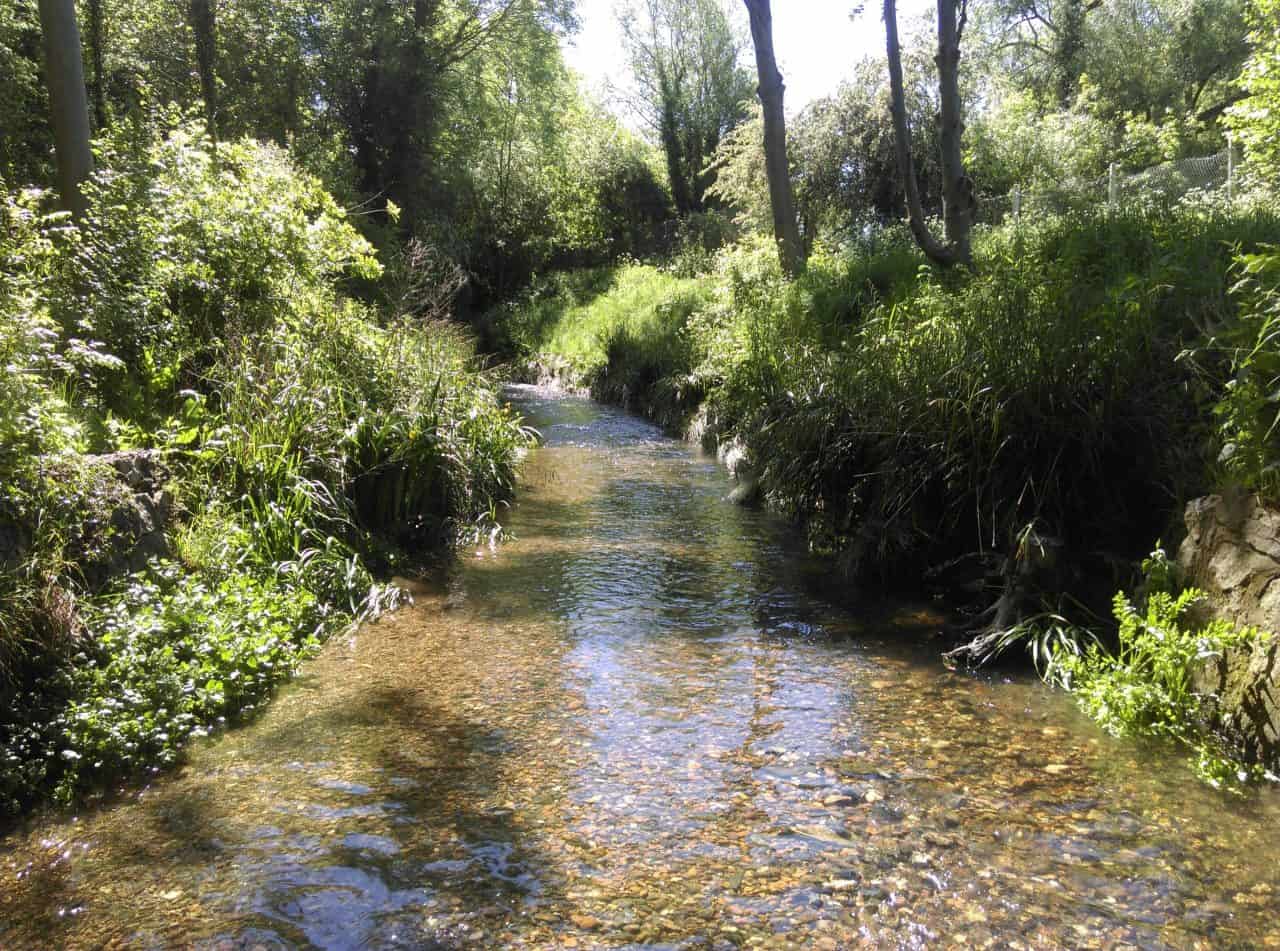
The Hogsmill in Surrey © South East Rivers Trust
Why do our chalk streams need help?
According to the CaBA Annual Review, only 14% of England’s chalk streams achieve Good Ecological Status, highlighting just how much work is still needed to restore these internationally important habitats.
Pollution, taking too much water from rivers and underground sources, and historic changes to river channels have all affected their health.
Climate change is adding to these pressures. The hot, dry summer of 2026 demonstrated just how vulnerable our rivers can be when water is scarce.
But there’s also reason for optimism.
The review highlights encouraging signs that investment is helping to reduce nutrient pollution in some chalk streams, alongside inspiring examples of local communities, organisations and partnerships working to restore these rivers.
Here in the South East, we’re proud to be contributing to that progress.
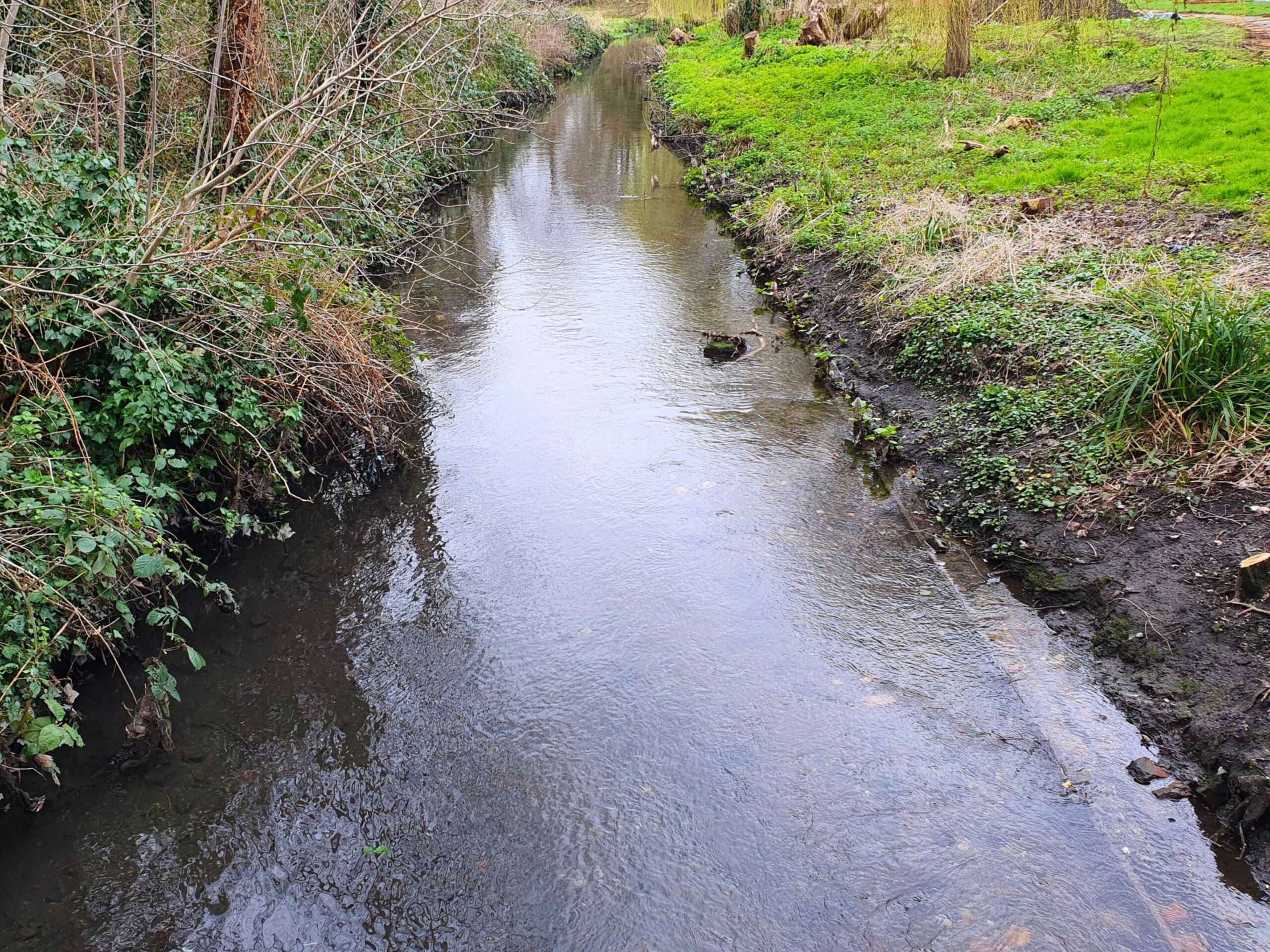
Before
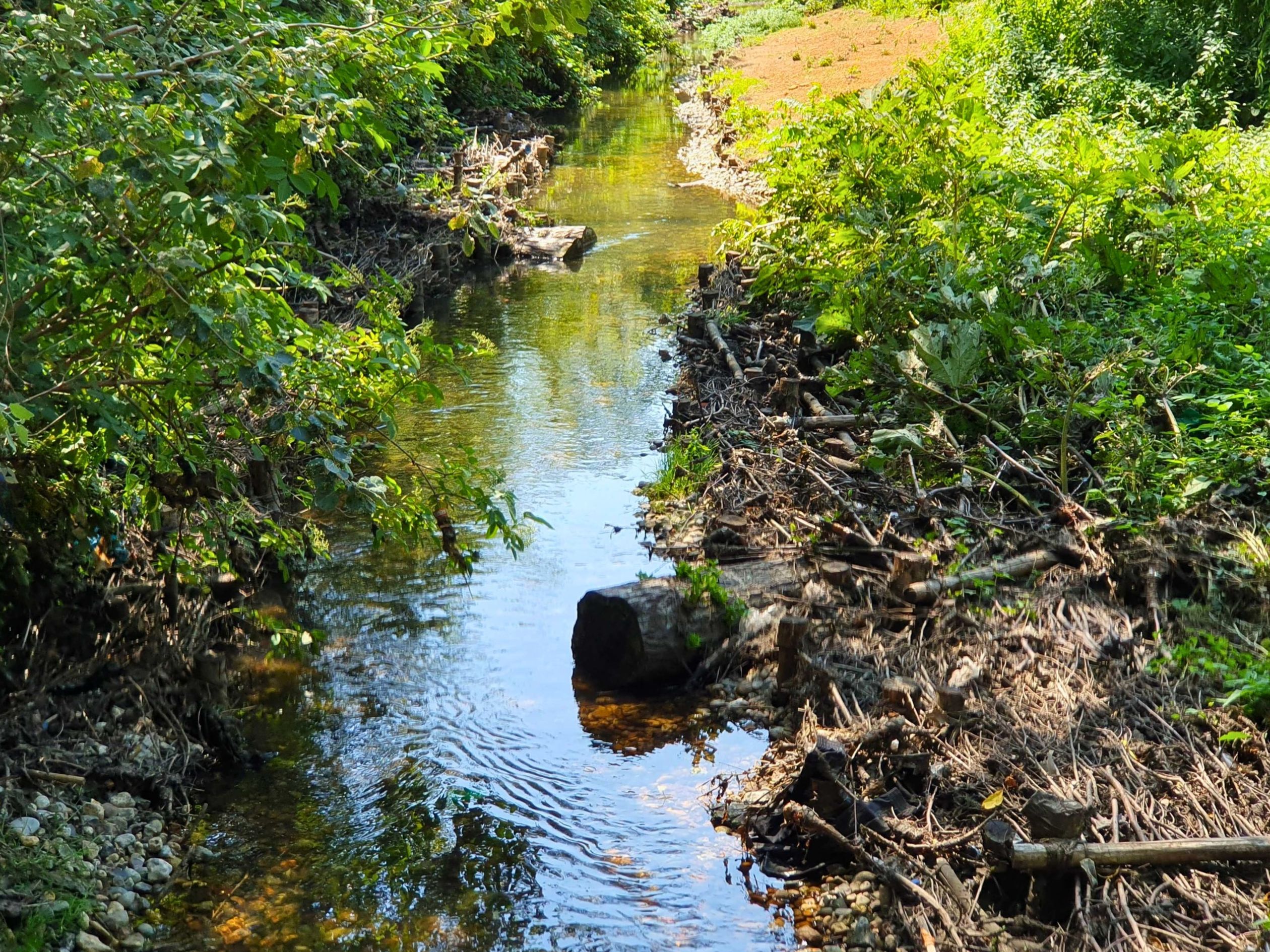
After
Restoring natural habitats on the River Wandle
At Richmond Green in Beddington, we’ve completed restoration works along approximately 400 metres of the River Wandle, one of London’s rare chalk streams.
Over time, this stretch of river had been straightened and deepened, leaving it with steep banks and limited habitat for wildlife.
Working with our partners, we’ve helped the river function more naturally by reshaping its banks, removing old wooden edging and introducing features such as gravel riffles, woody material and vegetated berms.
These improvements create more varied habitats and better conditions for fish, aquatic insects and other wildlife.
The before-and-after photographs show how the river has changed, from the original channel through to the completed works and the establishment of new vegetation.
It’s a great example of how restoring natural river processes can create the conditions for healthier, more resilient rivers.
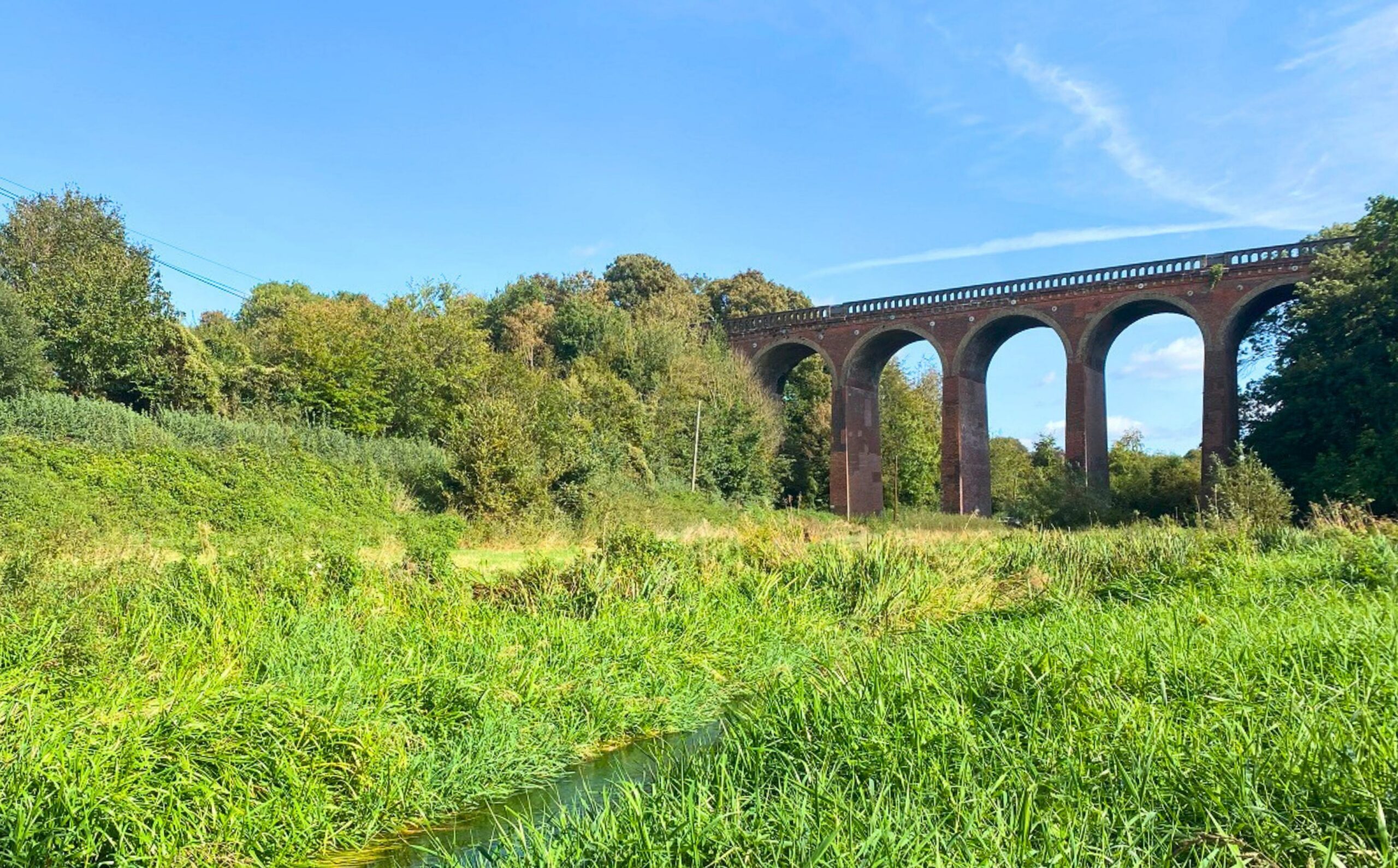
Darent Valley viaduct and stream © South East Rivers Trust
Working together to restore the Darent Valley
River restoration isn’t just about improving individual stretches of water. We also need to consider the wider landscape and how land use affects the health of our rivers.
That’s why we’re supporting the Darent Valley Landscape Recovery project, led by Kent Wildlife Trust and a farmer-led partnership.
The project brings together farmers, landowners and environmental organisations to develop ambitious plans for restoring habitats, improving water quality and making the landscape more resilient to climate change.
Our team has been helping identify opportunities for river restoration, improving fish passage and using nature-based solutions across the catchment.
The project is progressing towards implementation, creating opportunities for long-term improvements to this important chalk stream landscape.
Protecting the water our rivers need
Healthy chalk streams need more than good habitats. They also need enough clean water to support the wildlife that depends on them.
This is particularly important for the Rivers Darent and Cray, where taking water from underground chalk aquifers places significant pressure on river flows.
Research commissioned by the Darent and Cray Catchment Partnership found that approximately 61% of water entering the catchment’s chalk aquifers is currently abstracted by water companies.
With climate change likely to increase pressure on water resources, finding ways to reduce abstraction is increasingly important.
The research proposes bringing forward reductions in groundwater abstraction by making greater use of alternative water supplies from the Thames and Lee when sufficient water is available.
This could give the chalk aquifers more time to recharge, helping increase the water available to feed the Darent and Cray.
It’s an example of how research and partnership working can help identify practical solutions to some of the biggest challenges facing our rivers.

Surveying on the River Wandle © South East Rivers Trust
A healthier future for chalk streams
Five years after the launch of the national Chalk Stream Restoration Strategy, the latest Annual Review shows both the scale of the challenge and the progress being made.
At the South East Rivers Trust, we’re working with communities, landowners, businesses and environmental partners to restore habitats, improve water quality and help rivers become more resilient to climate change.
Through our Chalk Stream Connectors project, we’re also helping local communities discover, connect with and care for these rare rivers.
From practical restoration on the Wandle to long-term planning and research across the Darent and Cray, these projects demonstrate why taking a joined-up approach is so important.
There’s still much to do, but by working together and using evidence to guide our actions, we can create healthier chalk streams for wildlife and future generations.
Discover more about our chalk streams
Want to learn more about these remarkable rivers and the work happening to protect them?
Read the CaBA Chalk Stream Annual Review 2025/26 to explore the findings, restoration projects and opportunities for the future.
You can also explore the new interactive chalk stream map to discover chalk streams across England, including those flowing through communities here in the South East.