About the Darent and Cray
The River Darent and River Cray are rare chalk streams, making them special habitats for wildlife and local communities.
The River Darent rises in Westerham, fed by springs from the Greensand Hills. It flows for 21 miles through Otford, Eynsford and Farningham before becoming a tidal estuary in Dartford, where it joins the River Thames.
The River Cray rises in Priory Gardens in Orpington, where rainwater filters through the chalk bedrock to form a pond at the source of the river. From there, the Cray flows north through St Paul’s Cray, North Cray and Bexley. It is joined by the River Shuttle before turning east through Crayford and joining the Darent at Dartford Creek.
Together, these rivers connect towns, villages, green spaces and important habitats across Kent and south east London.
Why the Darent and Cray matter
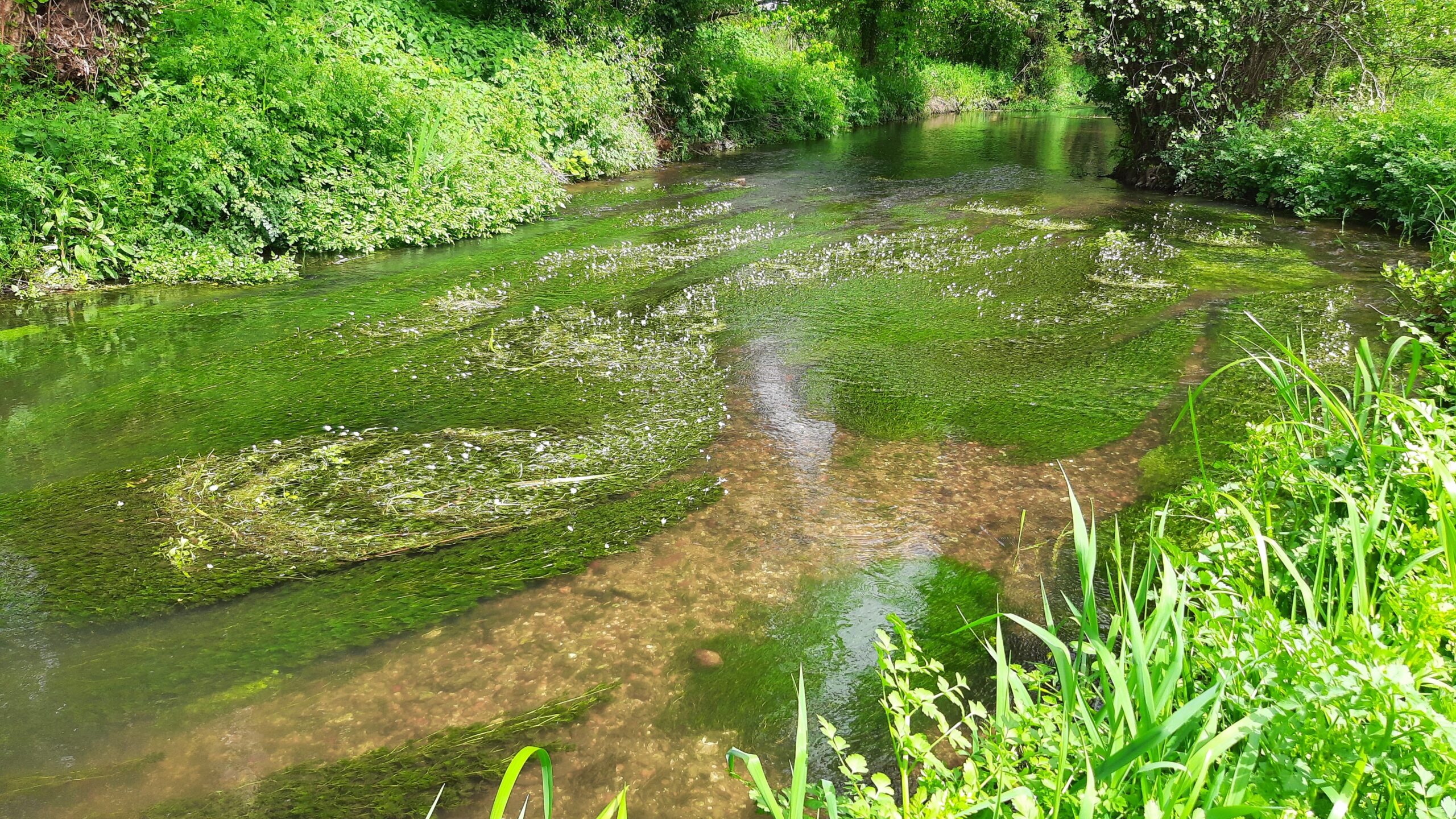
Chalk streams are rare rivers, known for their clear, chalk-filtered water and rich wildlife. When healthy, they can support a wide variety of plants, invertebrates, fish, birds and other species.
The River Darent supports a range of fish, including tench, carp, bream, roach, perch, pike and eels. The surrounding landscape also provides opportunities for people to enjoy nature, including the Darent Valley Path, which follows the river through the Kent Downs and towards the Greensand Hills above Sevenoaks.
The River Cray has a long history, with references dating back to Roman times. It also flows through important green spaces, including Foots Cray Meadows, which is designated as a Site of Metropolitan Importance for Nature Conservation.
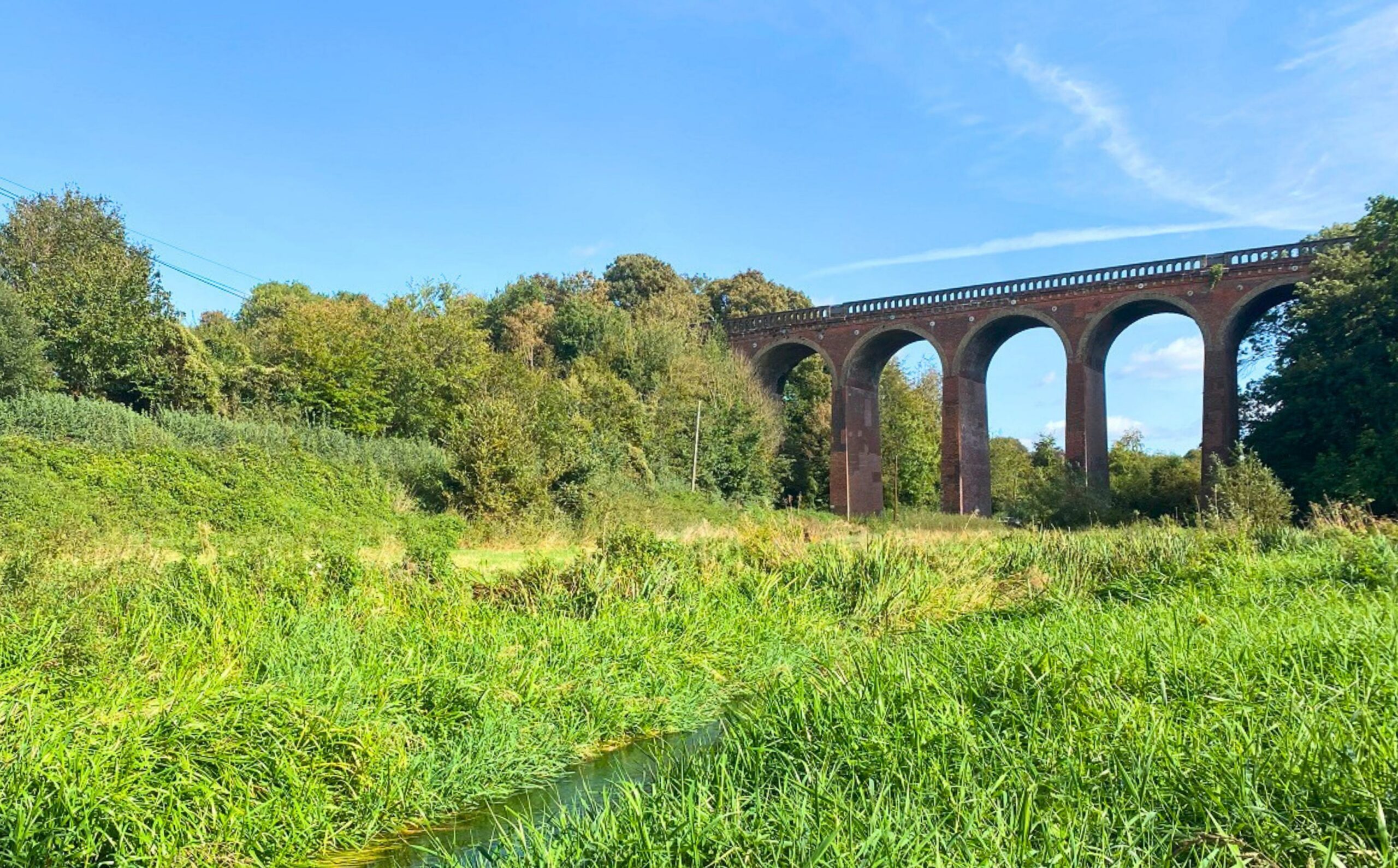
A view of the Darent Valley © South East Rivers Trust
Challenges facing the Darent and Cray
Like many rivers, the Darent and Cray face pressures from pollution, habitat loss, drought and impacts on fisheries.
These challenges affect water quality, wildlife and the natural processes that help rivers function well. By working across the whole catchment, we can help restore habitats, improve river health and make these chalk streams more resilient for the future.
Our work on the Darent and Cray
We co-host the Darent and Cray Catchment Partnership with the North West Kent Countryside Partnership, bringing together organisations and stakeholders who can help improve the health of these rivers.
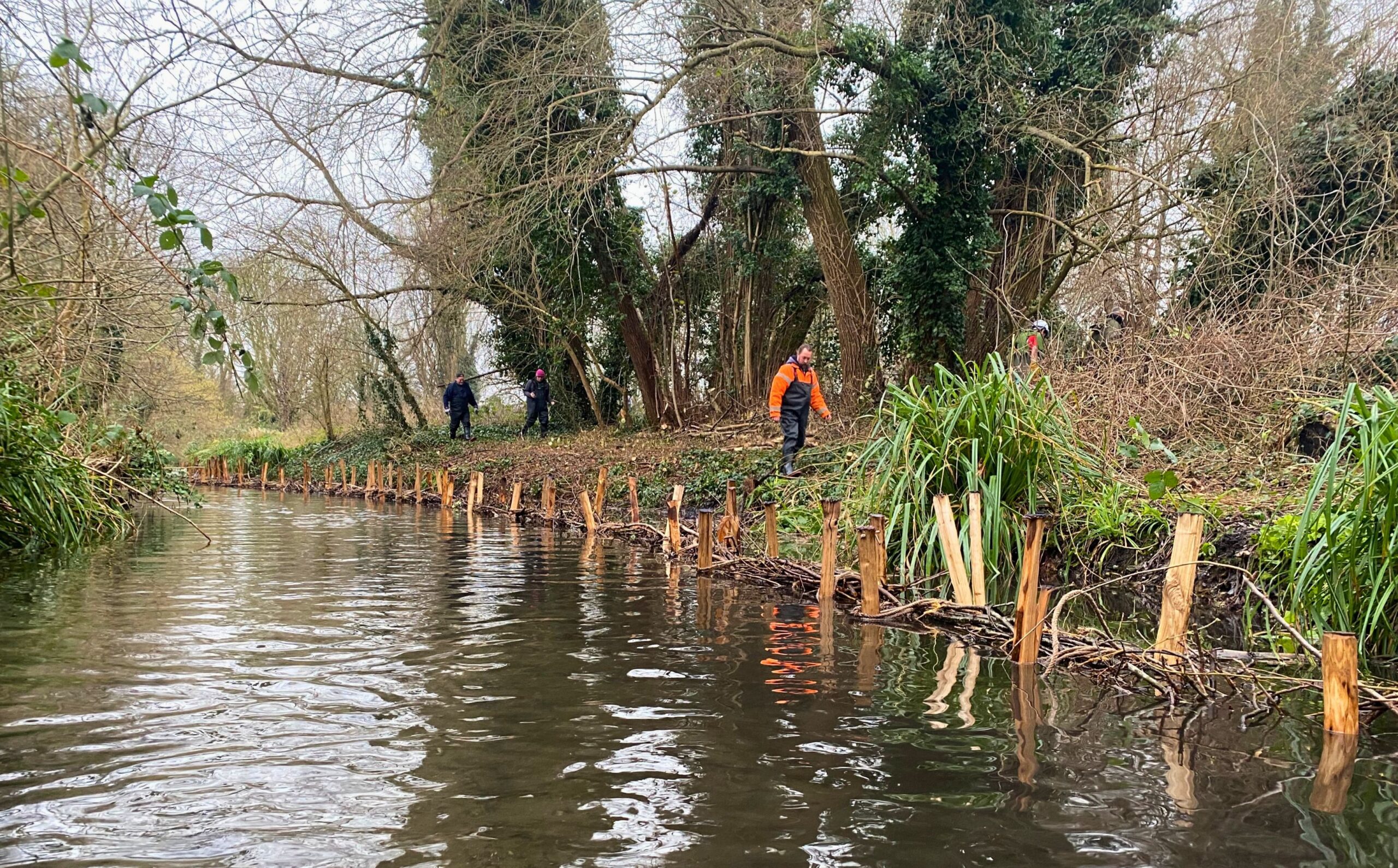
Our work across the catchment includes restoring river habitats, improving fish passage, supporting chalk stream recovery, tackling pollution and helping communities connect with their local rivers.
Discover the Darent & Cray Catchment Partnership
We co-host the Darent and Cray Catchment Partnership with the North West Kent Countryside Partnership, bringing together organisations and stakeholders to help these chalk streams thrive. Visit the Storymap to learn more about the catchment, the challenges it faces and the latest plans to restore it for people and wildlife.