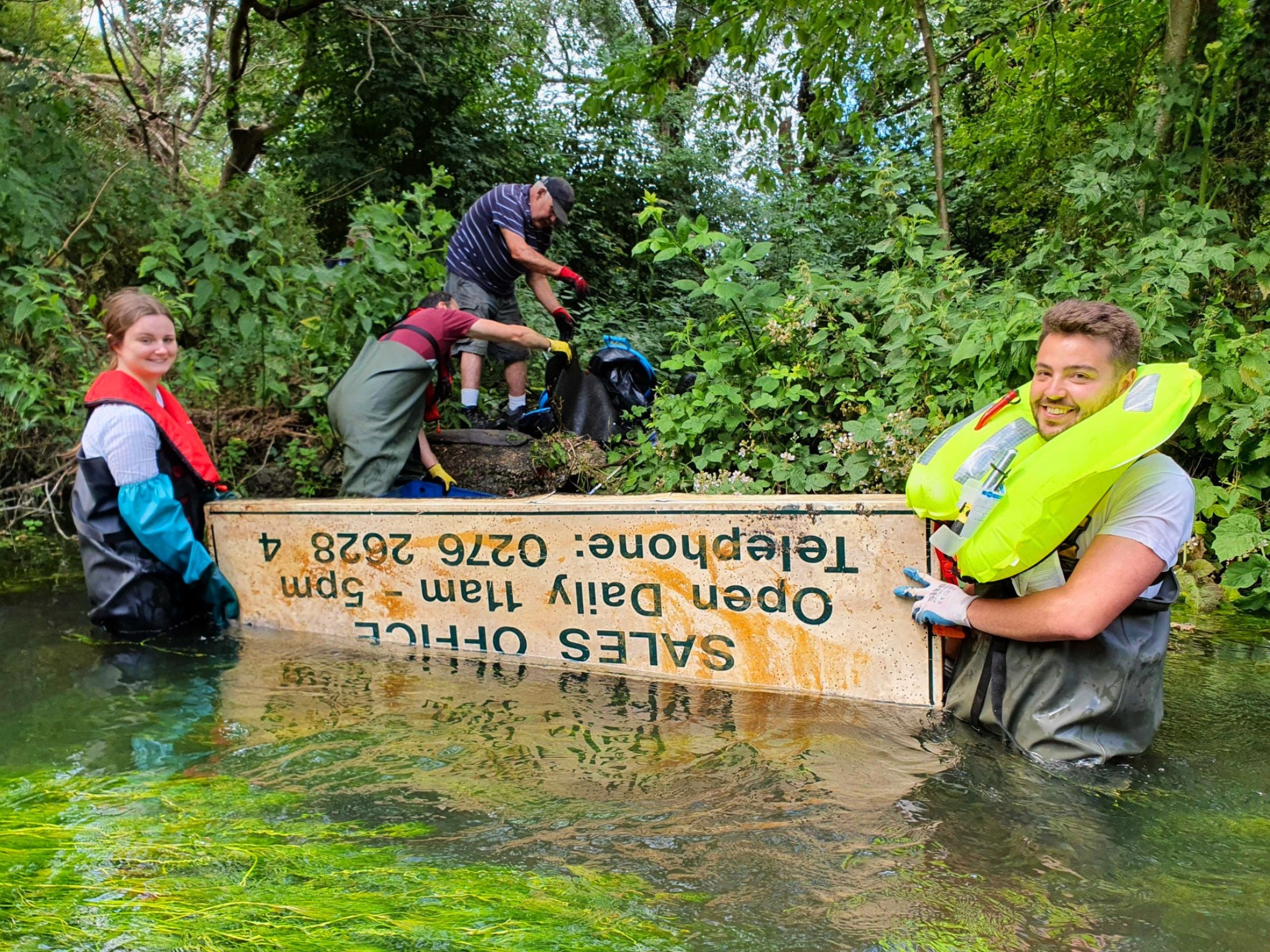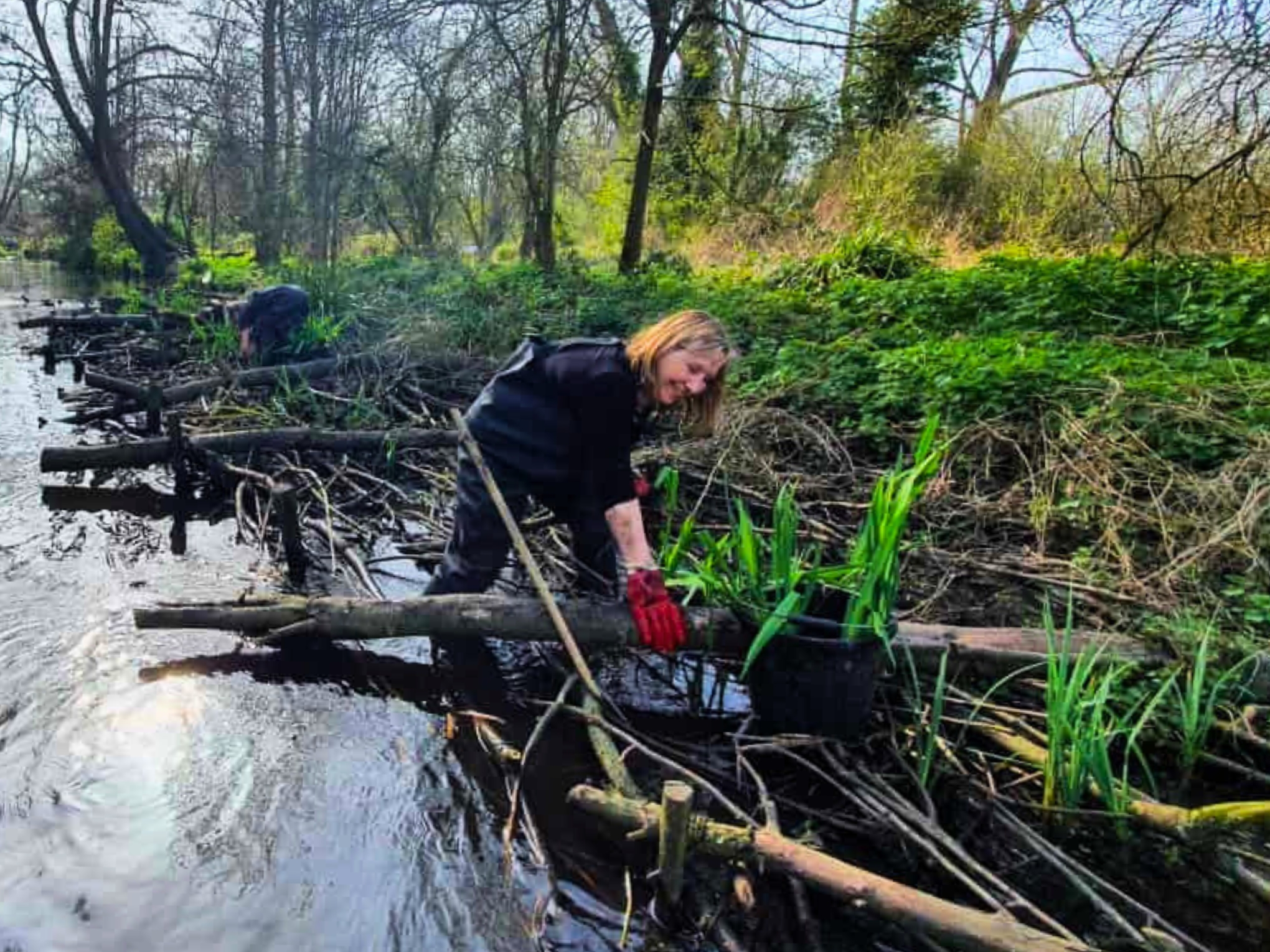
Morden Hall Park volunteer restoration project
Working with volunteers and partners to restore habitats along the River Wandle, creating a healthier, more resilient river for wildlife and the local community.
If you’ve spotted pollution or an environmental problem on a waterway, please report it directly to the Environment Agency via GOV.UK or call their 24/7 incident hotline on 0800 80 70 60.
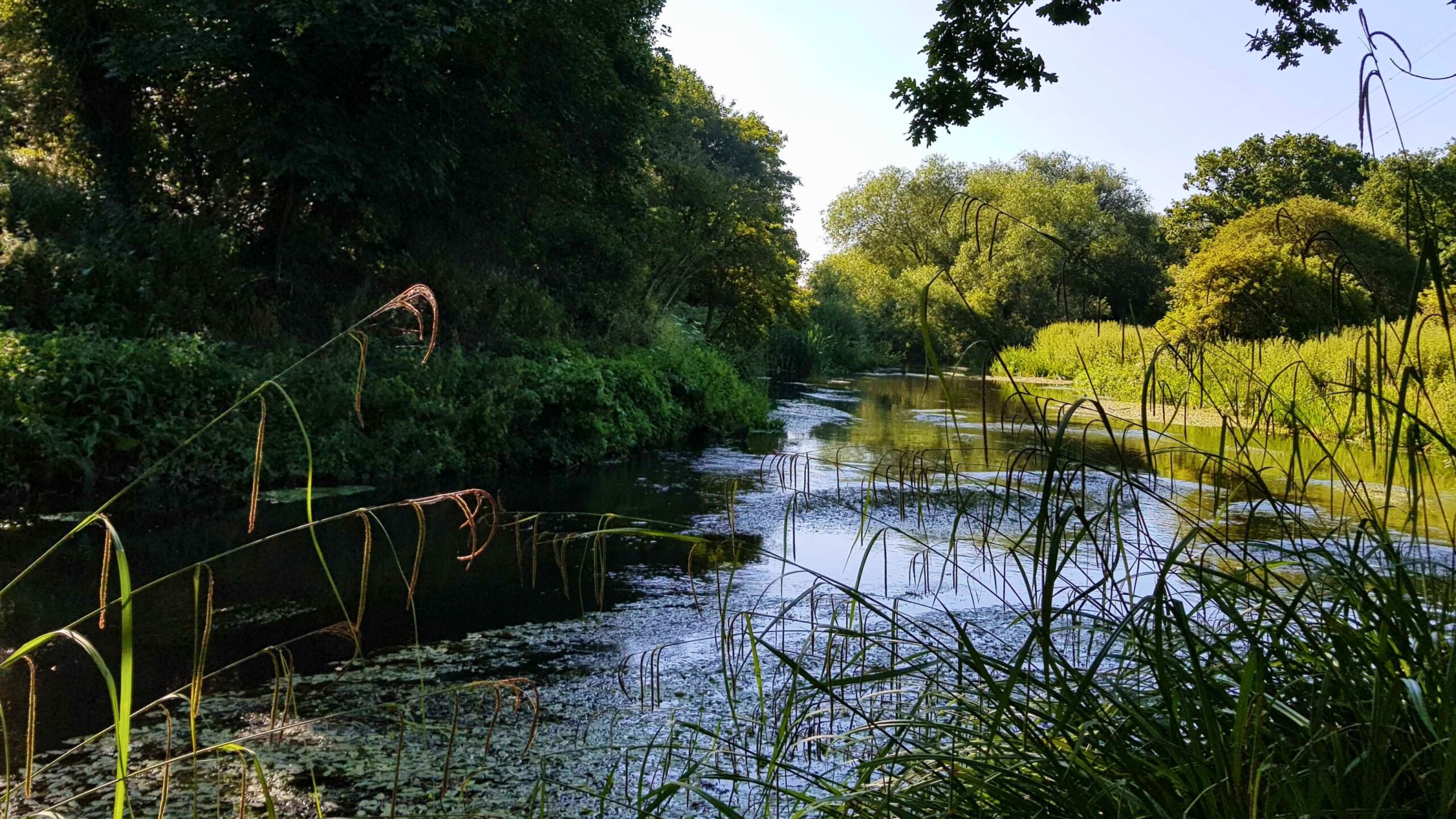
The Wandle is a rare urban chalk stream flowing through south London. We’re working with partners and local communities to restore this special river for wildlife and people.
The River Wandle is a chalk stream rising where the chalk of the North Downs meets the sand and clay of London.
The river has two main upper branches. The Carshalton arm, also known as the River Wrythe, rises at Carshalton Ponds and meets the Croydon arm at Wilderness Island in Hackbridge.
From there, the Wandle flows for around nine miles through south London, passing through Morden and Earlsfield before joining the River Thames at Wandsworth.
Its main tributary begins as the Norbury Brook in Addiscombe and later becomes the River Graveney, joining the Wandle in north Merton.
Although the catchment is largely urban, the river connects many important green spaces, including Beddington Park and Morden Hall Park. Much of its route can be explored by following the Wandle Trail.
Chalk streams are rare habitats, known for their clear, mineral-rich water and ability to support a wide variety of plants and wildlife.
Today, the Wandle supports fish including brown trout, an iconic chalk-stream species that was reintroduced through our Trout in the Classroom programme. Its waters and surrounding habitats also provide homes for invertebrates, kingfishers, bats and other wildlife.
The river has a strong connection with the communities that have grown around it. During the 17th, 18th and 19th centuries, it became one of the most heavily industrialised rivers in the country, powering as many as 68 mills producing goods such as textiles, paper and tobacco.
This industrial activity led to severe pollution, and the Wandle was once considered ecologically dead. Decades of restoration and community action have helped bring wildlife back and transformed how people experience the river.
The Wandle continues to face pressures from pollution, modified habitats, flooding, drought and impacts on fish populations.
Urban development has left many sections of the river straightened, widened or contained within artificial banks. These changes limit the variety of habitats available and reduce the river’s ability to respond naturally to changes in flow.
Polluted surface-water runoff and incorrect drainage connections can also carry contaminants into the river. Its urban location makes the Wandle particularly vulnerable to sudden pollution incidents.
By restoring habitats, improving connectivity and gathering evidence about the river’s health, we can help the Wandle become more resilient for wildlife and communities.
We host the Wandle Catchment Partnership, bringing together organisations, communities and stakeholders with an interest in the river’s future.
Our work across the catchment includes restoring river habitats, improving fish passage, identifying sources of pollution and supporting the recovery of this rare urban chalk stream.
We also work with volunteers, schools and local communities to monitor the river, manage invasive species and deliver practical restoration activities.
Explore the River Wandle catchment, learn about the pressures affecting this rare urban chalk stream and discover how partners and communities are working together to restore it for people and wildlife.