Reporting pollution or environmental problems

If you’ve spotted pollution or an environmental problem on a waterway, please report it directly to the Environment Agency via GOV.UK or call their 24/7 incident hotline on 0800 80 70 60.

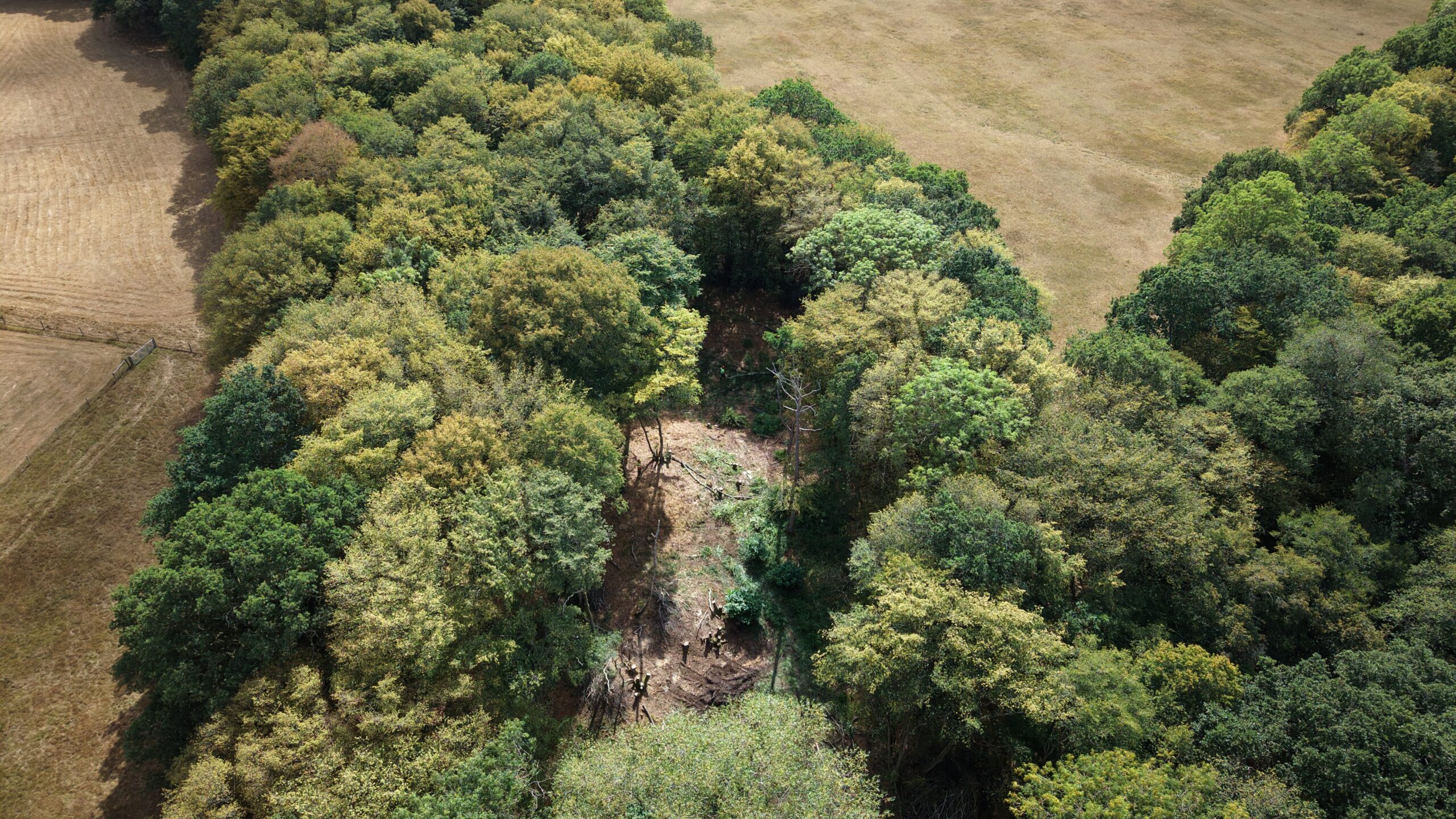
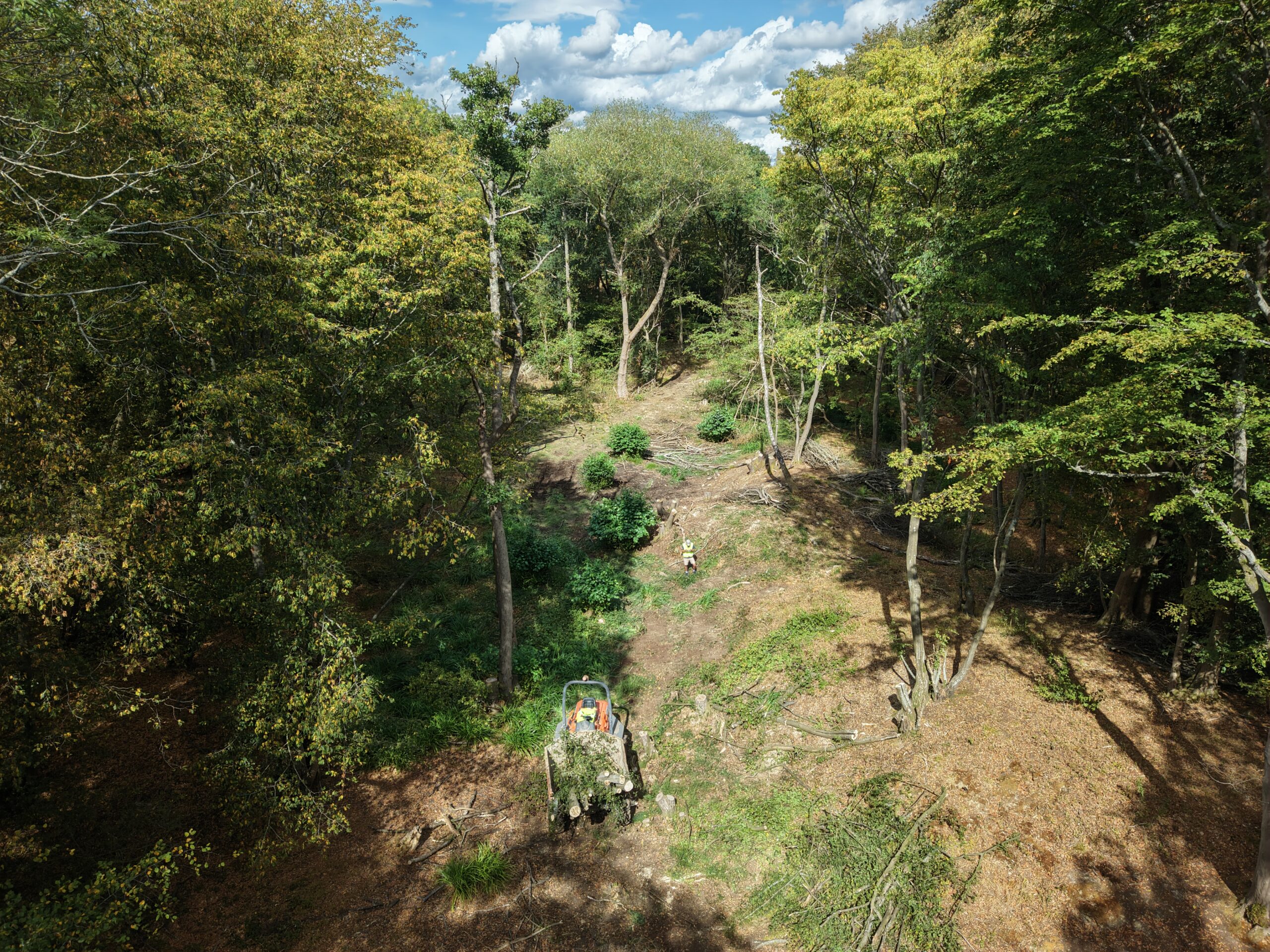
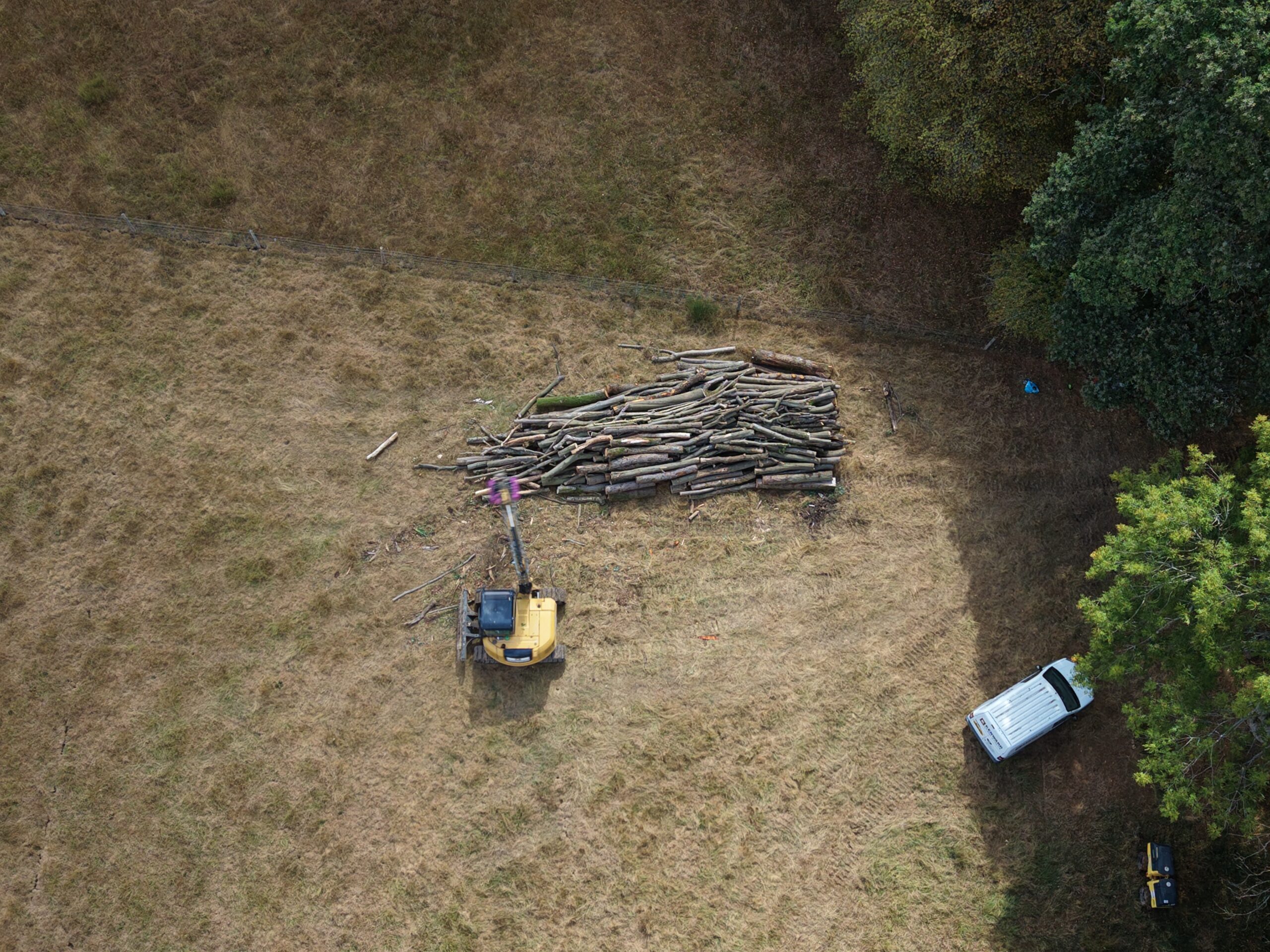
Aerial view of Fay Cottage Farm

Natural flood management success at Gatwick

Gatwick Airport Natural Flood Management (NFM) project reaches significant milestone with the completion of pond restoration works at Fay Cottage Farm.

More about the project

A restored pond at Fay Cottage Farm is the latest Natural Flood Management measure undertaken by the South East Rivers Trust (SERT) as part of the Gatwick Airport Natural Flood Management (NFM) project.

The pond marks the conclusion of Phase 1 of the project, which has been ongoing since works began in July 2024. The project aims to restore natural processes across the Upper Mole catchment to reduce flood risk, improve water quality and create new habitats.

Fay Cottage Farm was originally identified by SERT as a significant opportunity for Natural Flood Management within the headwaters of the River Mole. Working closely with the landowner, SERT designed a scheme that encourages water to flow into this historic pond during heavy rainfall, creating an offline storage area that reduces the risk of flooding downstream and creates new wet habitat for a range of native flora and fauna to flourish – the restored pond can hold an estimated 660,000 litres of water over an area of 1100m2.

Delivered in partnership with Gatwick Airport Ltd as part of its second Decade of Change – the strategy that sets out the airport’s sustainability ambitions to 2030 – this project demonstrates how collaborative action can build resilience for communities, wildlife and the wider environment.

Play video Aerial view of Fay Cottage Farm

Watch aerial footage of the restoration

How will it work?

Since the pond area lies on an angle, SERT have reinstated the pond by dividing it into two halves, lowering each bed level and creating a bund at the downstream extent of each half. Within each bund is a pipe outflow, which controls the level of permanent water beneath and temporary storage above this height. As the pond slowly fills over time via surface water flows and rainfall, the two sections of pond will create varying levels of temporary and permanent water storage, allowing excess water (above the height of each pipe) to drain slowly downstream over time.

A series of leaky barriers have also been installed in the adjacent watercourse to further slow the flow of water downstream and encourage more water retention within this catchment, thereby reducing the risk of flooding downstream.

This project is a great example of how nature-based solutions can be used to protect and restore our ecosystems in the face of modern challenges. We're really pleased with the progress we've made in the last year, and its continued success is testament to the hard work of our dedicated team of staff, project partners and volunteers.
NFM Project Officer George Biggs

Natural Flood Management

Flooding and droughts are becoming more frequent and unpredictable, putting pressure on communities, rivers and landscapes. Natural Flood Management (NFM) works with nature to slow, store and filter water across entire catchments, reducing flood risk downstream and improving water availability for longer periods, resulting in healthier rivers and habitats.
Aerial view of Fay Cottage Farm

Stay in touch

To keep up to date with on-the-ground project updates and to find out more about the work we’re doing to improve rivers for wildlife and people, sign up to receive our monthly digital newsletter.