Gatwick Airport Natural Flood Management
Working with nature across the Upper Mole catchment to reduce flood risk, improve water quality and create healthier habitats for wildlife and communities.
If you’ve spotted pollution or an environmental problem on a waterway, please report it directly to the Environment Agency via GOV.UK or call their 24/7 incident hotline on 0800 80 70 60.
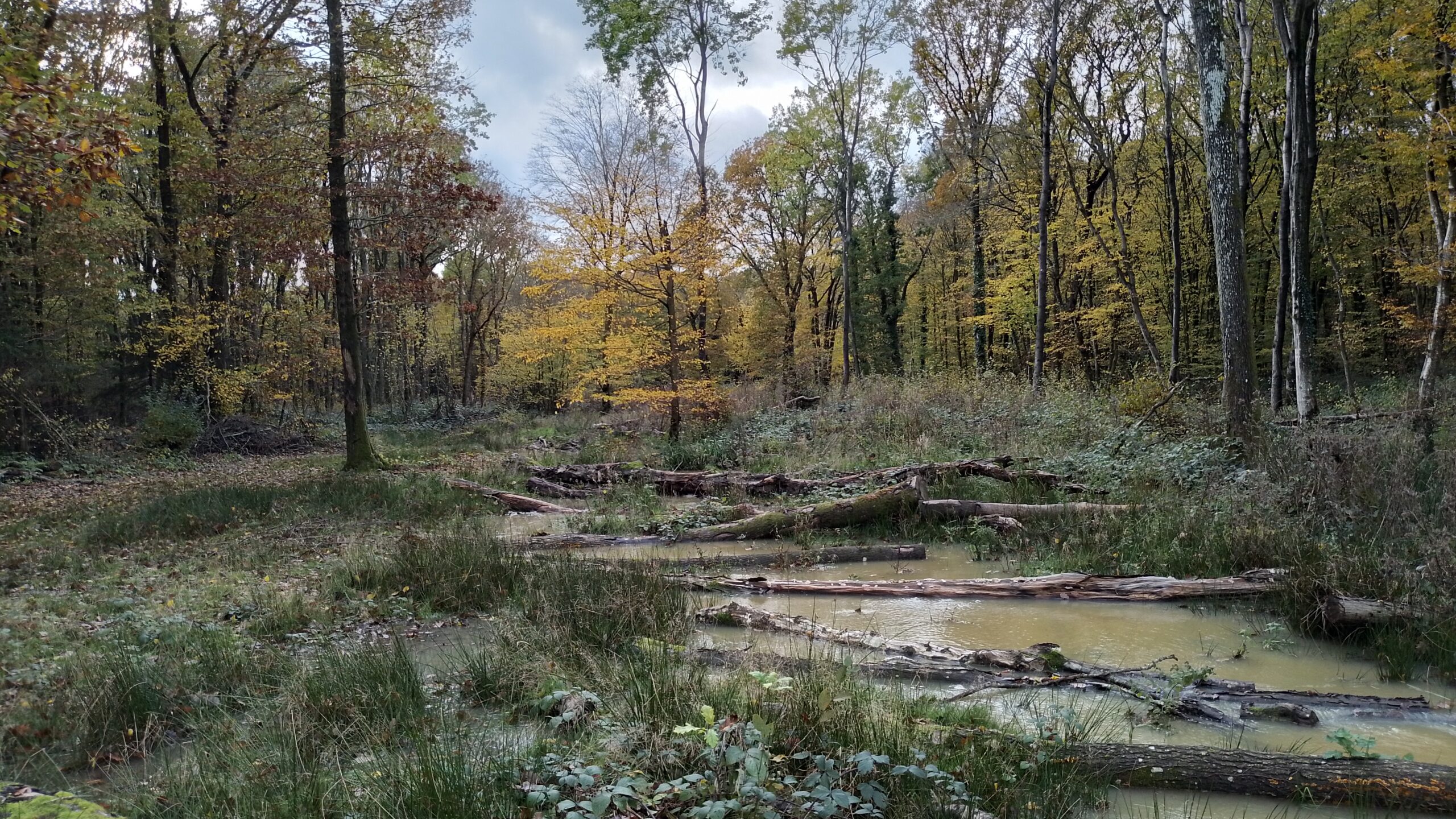
Flooding is becoming more frequent and unpredictable, putting pressure on communities, rivers and landscapes. Natural Flood Management (NFM) works with nature to slow, store and filter water across entire catchments, reducing flood risk downstream while restoring healthier rivers and habitats.
Natural Flood Management (NFM) works with natural processes to slow, store and filter water across the landscape, helping to reduce flood risk for communities downstream while restoring healthier rivers and landscapes.
Instead of relying only on hard engineering such as walls and barriers, natural flood management focuses on restoring the natural features of rivers, floodplains and catchments so that water can move more slowly through the environment.
By working with landowners, communities and partners across the catchment, we deliver nature-based solutions that protect people, improve river health and increase resilience to climate change.
Flooding is becoming more frequent and intense as the climate changes. Managing water across entire catchments is essential to help communities adapt.
Natural Flood Management helps to:
These nature-based approaches also provide wider environmental benefits, including carbon storage, healthier soils and better spaces for people and wildlife.
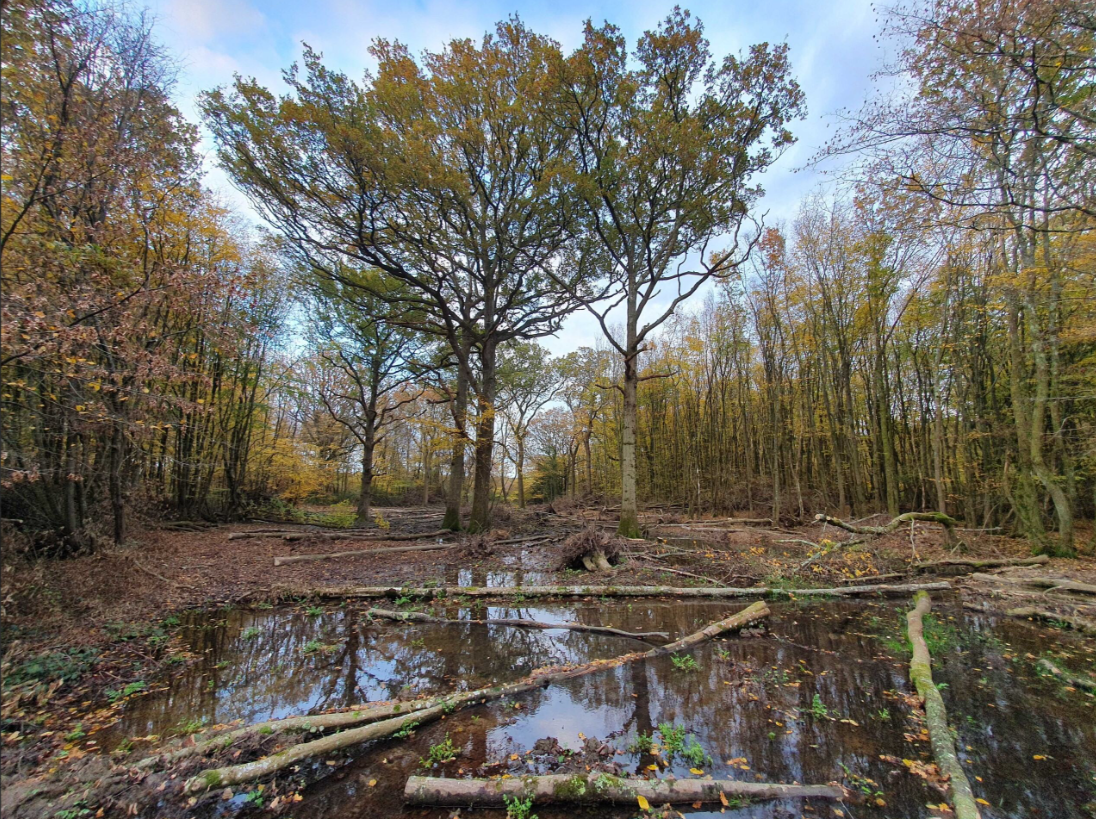
A wetted woodland at the River Beult Water Resilience project in Kent © South East Rivers Trust
Natural Flood Management uses a range of techniques that restore or mimic natural processes within a catchment.
Simple structures or natural features can slow the movement of water through the landscape.
Examples include:
These approaches help reduce the speed at which rainfall reaches rivers during storms.
Creating places for water to temporarily collect during heavy rainfall can reduce pressure on rivers.
Examples include:
Wetlands and floodplains can hold large volumes of water and release it slowly over time.
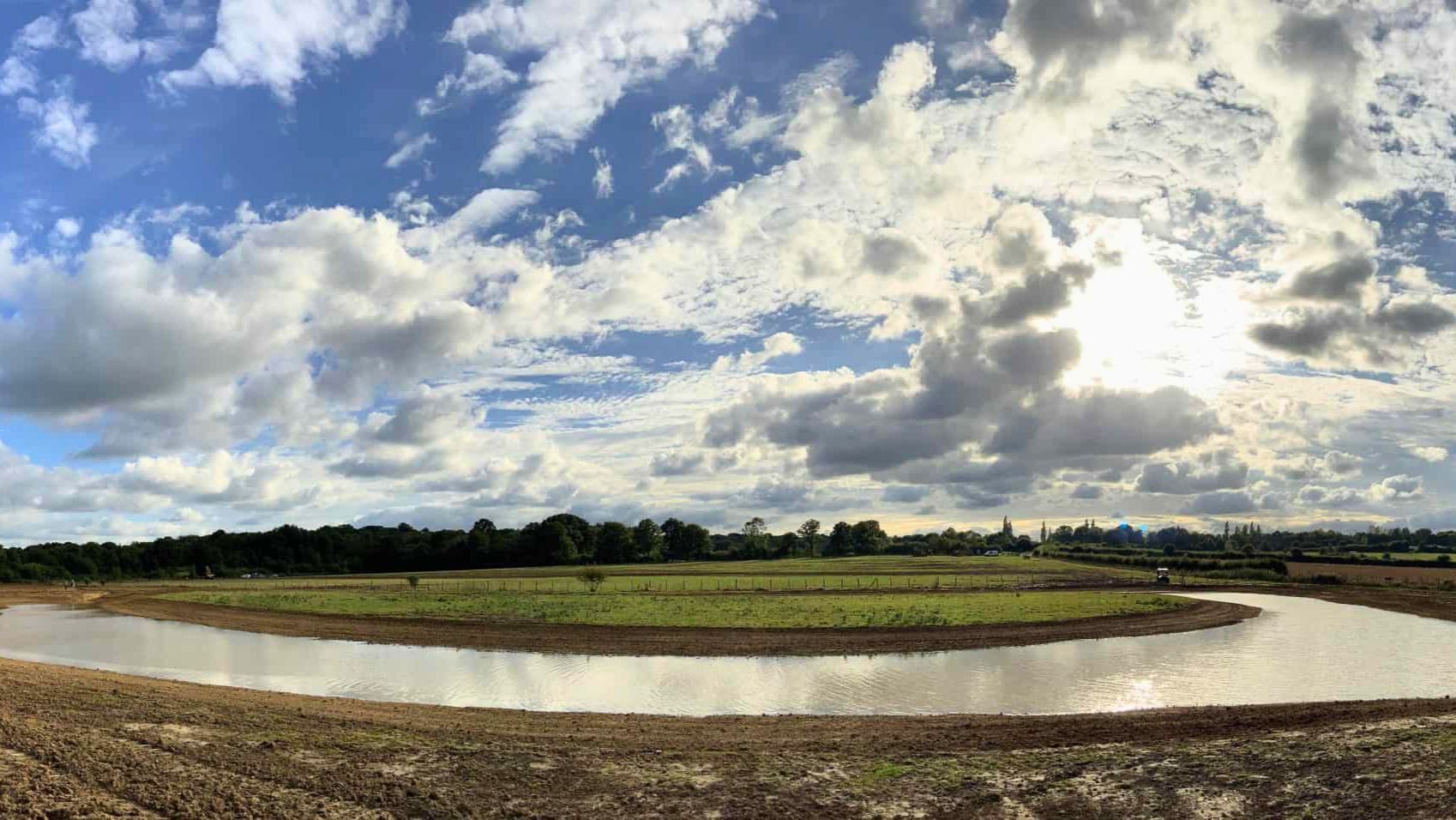
Floodplain restoration © South East Rivers Trust
How land is managed across a catchment has a big influence on how quickly water reaches rivers.
Working with farmers and land managers, natural flood management can include:
Vegetation intercepts rainfall, improves soil structure and helps water soak into the ground rather than running straight into rivers.
Working with nature across the Upper Mole catchment to reduce flood risk, improve water quality and create healthier habitats for wildlife and communities.
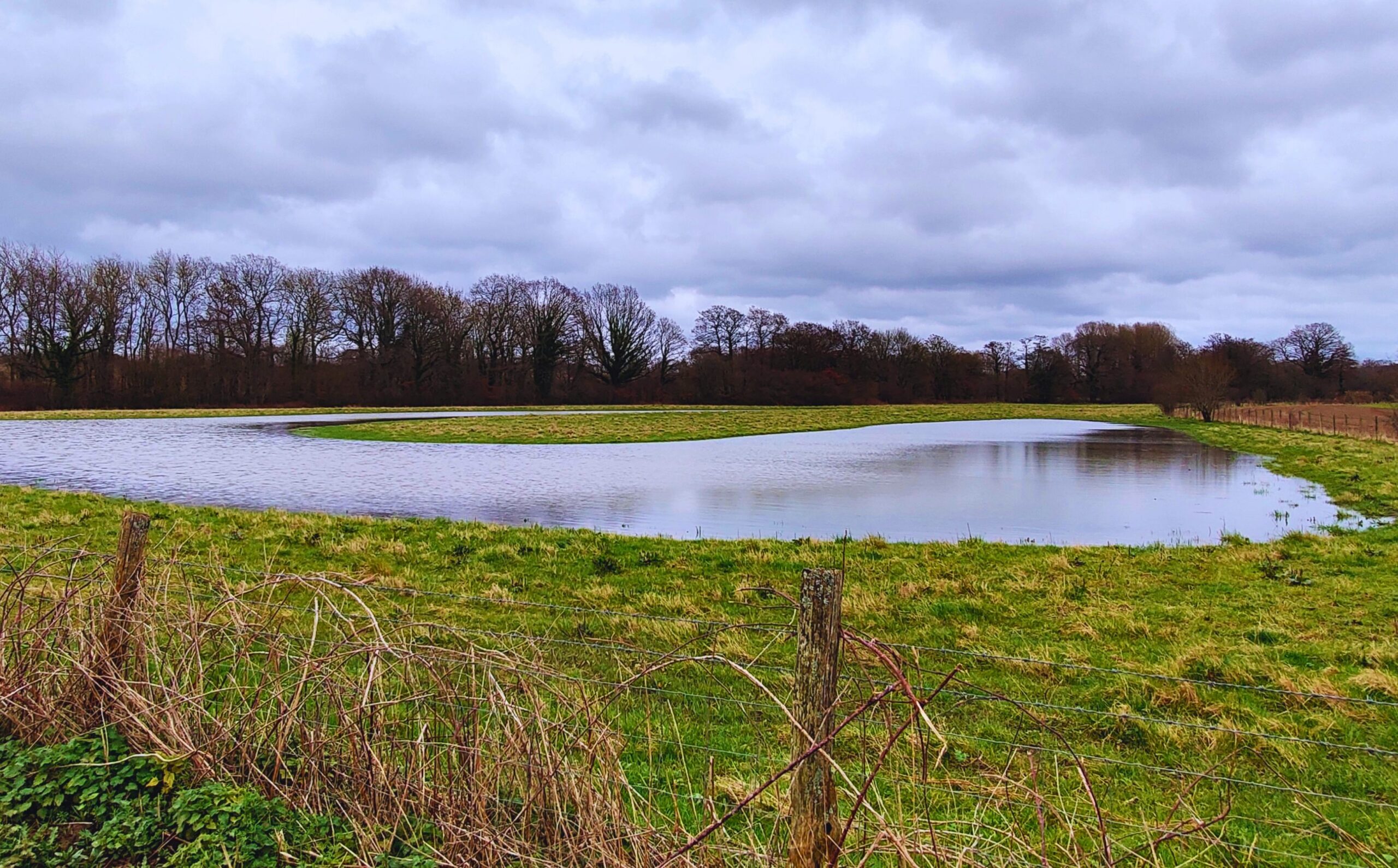
Working with landowners and partners across Kent, we delivered Natural Flood Management projects that help reduce flood risk while supporting wildlife and improving river catchments.
Natural Flood Management delivers multiple benefits beyond reducing flood risk.
These include:
By restoring natural river processes and working with the wider catchment, these approaches help create landscapes that are more resilient to climate change and extreme weather.
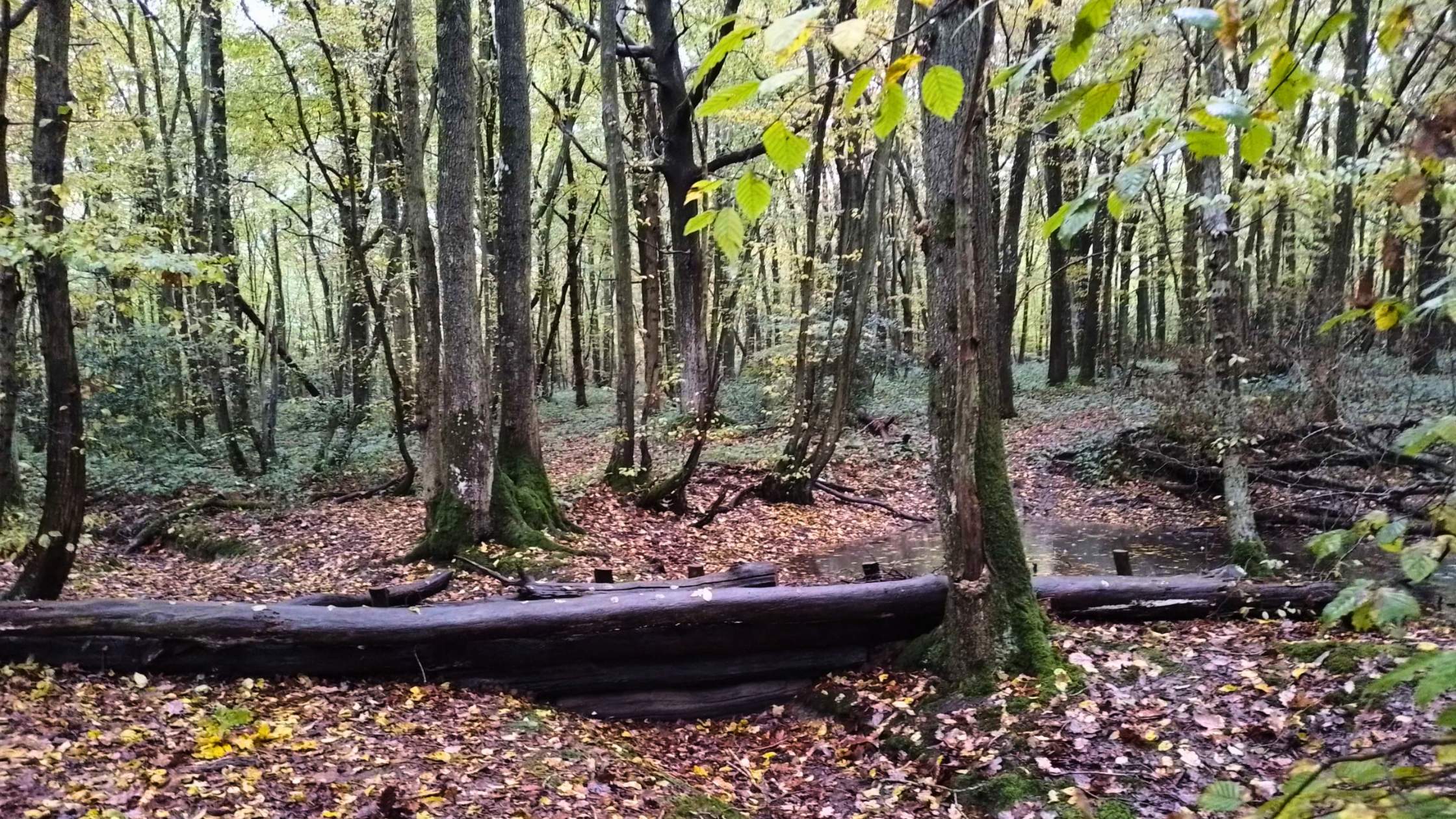
A leaky wooden dam © South East Rivers Trust
Natural Flood Management works best when it is delivered across entire river catchments.
We work closely with:
Together we identify where nature-based solutions will have the greatest impact and deliver projects that protect communities while restoring the natural environment.
Your support can help us deliver Natural Flood Management projects that slow the flow of water, reduce flood risk and create healthier habitats for wildlife and communities.