A new 10-year plan will bring organisations and communities together to reduce pollution, restore habitats and help London’s rivers thrive again.
The Mayor of London has launched the capital’s first Clean Rivers and Waterways Plan, setting out a shared vision for cleaner, healthier and more accessible waterways across the city.
Developed with more than 50 organisations, the plan brings together action to improve water quality, restore wildlife habitats, strengthen climate resilience and help more Londoners connect with the rivers on their doorstep.
The South East Rivers Trust helped shape the plan. Our Senior Catchment Advisor, Petra Sovic Davies, co-chaired its biodiversity theme, while our CEO, Dr Bella Davies, contributed to the water quality group and Mayor’s roundtable events.
Why London’s rivers matter
London’s network of rivers and waterways stretches for more than 600 kilometres. These blue spaces are important habitats in their own right, but they also act as wildlife corridors, connecting parks, nature reserves and other green spaces across the city.
More than 300 species of aquatic invertebrate have been recorded in London. They support fish and other wildlife, including the 17 species of bat and more than 300 species of bird recorded around the capital’s rivers and wetlands.
Free-flowing, well-connected rivers are also essential for species such as the Critically Endangered European eel, which migrates into London’s rivers from the Thames Estuary to complete its life cycle.
Healthy rivers benefit people too. They provide places to walk, relax and connect with nature, help cool the city during hot weather and can reduce the effects of flooding by holding more water within the landscape.
A plan for cleaner, more natural rivers
London’s rivers face many pressures. Centuries of development have straightened channels, introduced artificial barriers and separated rivers from their natural floodplains.
Pollution also enters waterways through road runoff, incorrectly connected household plumbing, storm overflows, litter and chemicals from homes and industry. Today, none of London’s rivers are classified as being in good ecological condition.
The new plan aims to reverse this decline by:
- reducing sewage and other forms of pollution;
- improving river health through regular monitoring;
- creating or restoring 550 hectares of waterway habitat;
- restoring 80 kilometres of river;
- improving habitats and migration routes for fish and other wildlife;
- supporting the return of species including water voles and beavers in suitable locations;
- improving access to rivers and developing a new walking route; and
- creating waterways that are clean and safe enough to swim in where this can be achieved.
An additional £2.7 million has been announced to support blue and green restoration projects over the next three years, building on £13.55 million already pledged by the Mayor.
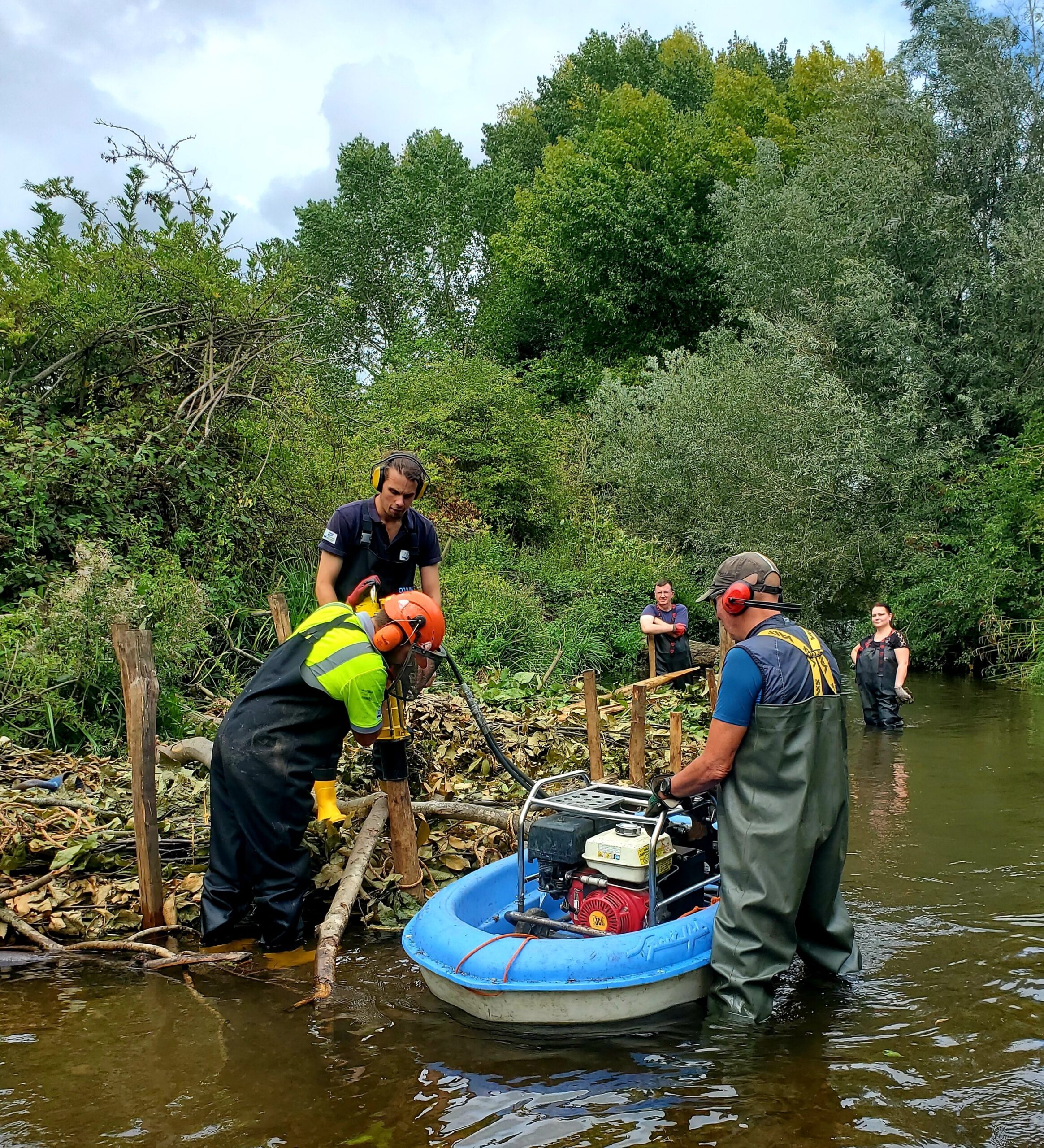
River Wandle restoration works at Morden Hall Park © South East Rivers Trust
New opportunities for the River Wandle
The Wandle catchment is one of ten locations identified for focused action.
Plans include restoring this rare chalk stream and its surrounding river corridor through a new vision for a Wandle Valley Regional Park. The proposals include restoring habitats, improving public access, involving communities and creating “fish superhighways” by reconnecting sections of river so fish can move more freely.
The plan will also explore opportunities to restore waterways that have previously been lost or hidden beneath the city.
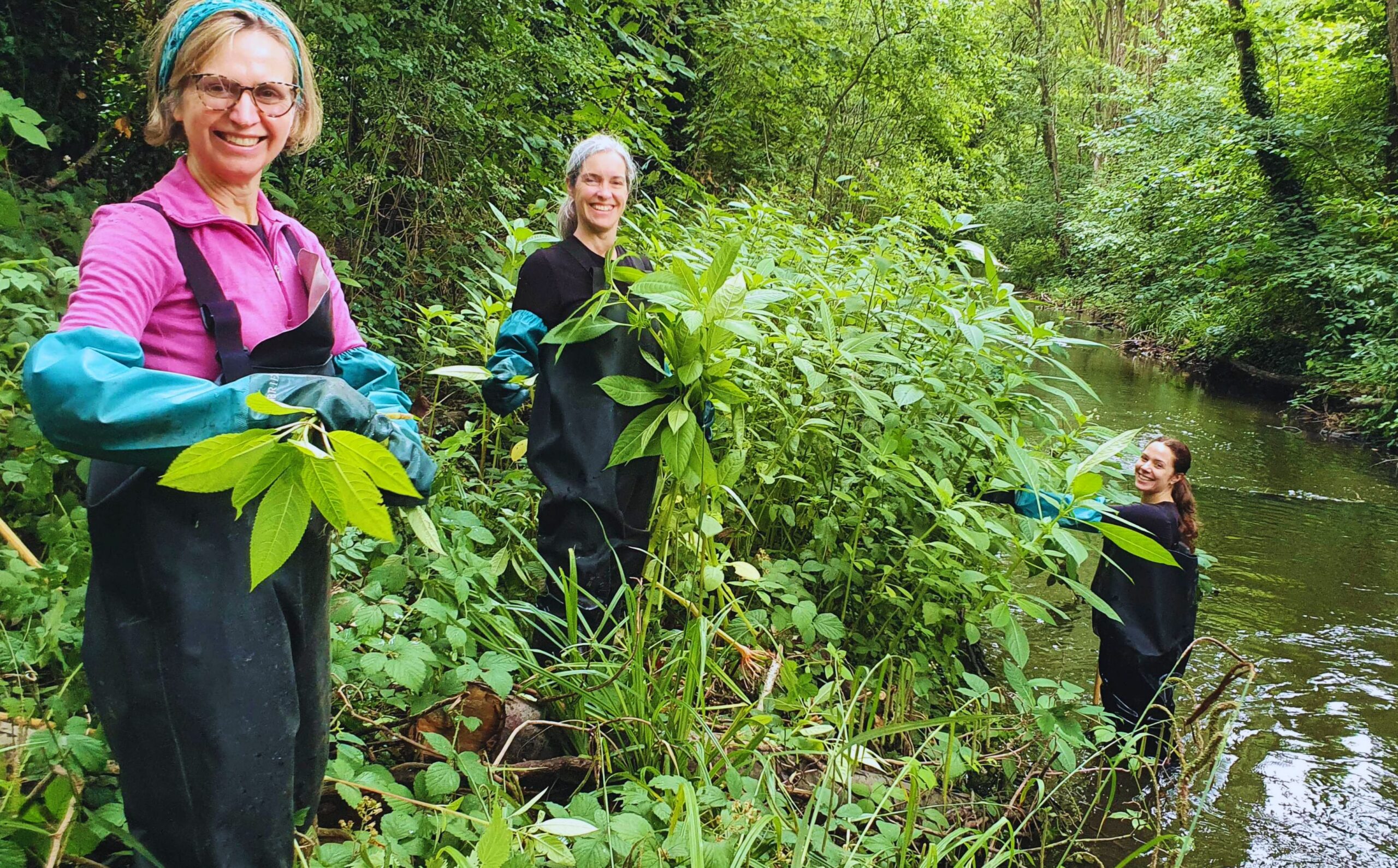
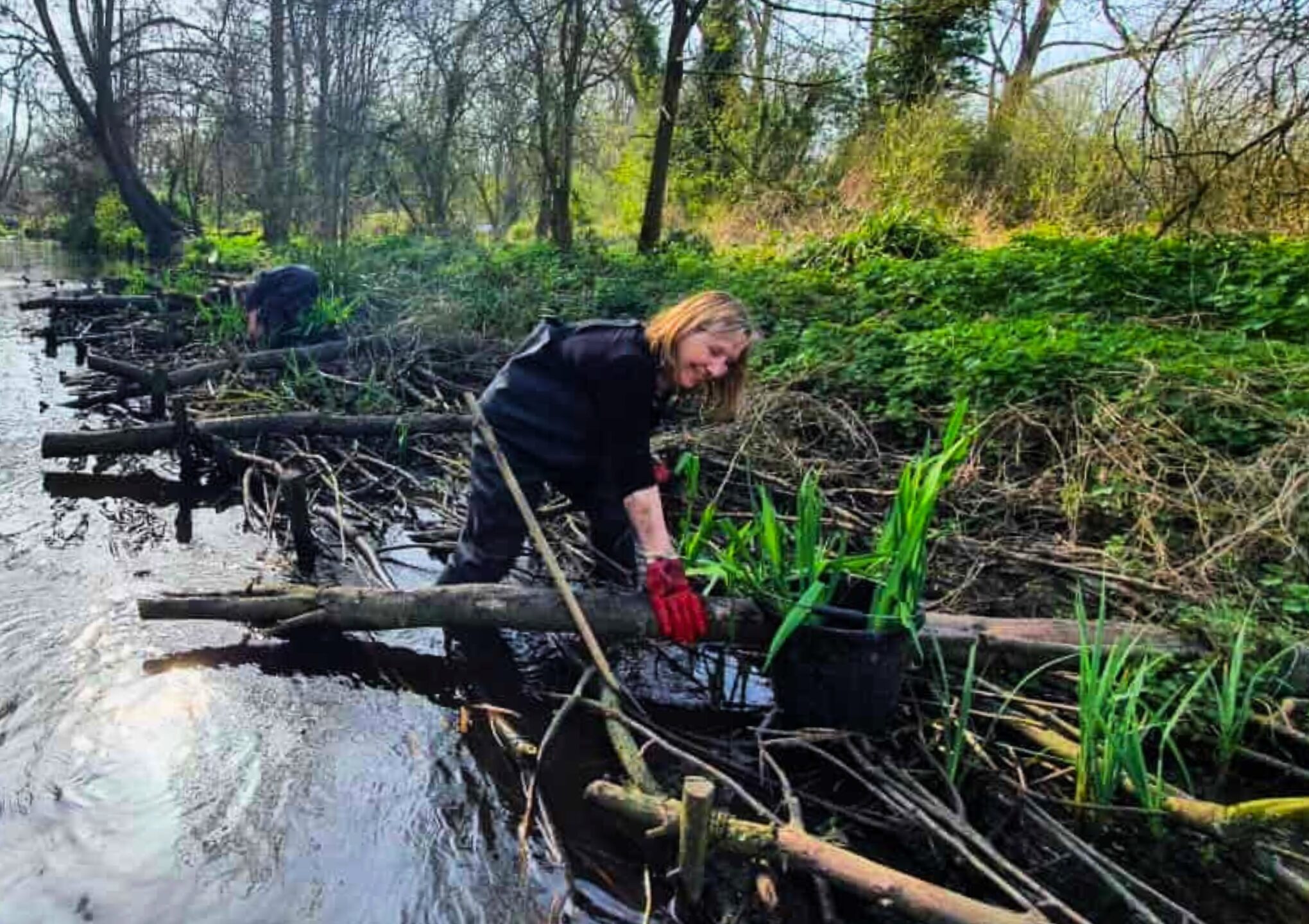
SERT has worked for many years with communities and partners to restore the Wandle and other London rivers, including the Hogsmill, Beverley Brook and River Cray. The new plan provides an opportunity to build on this work and deliver change at a much greater scale.
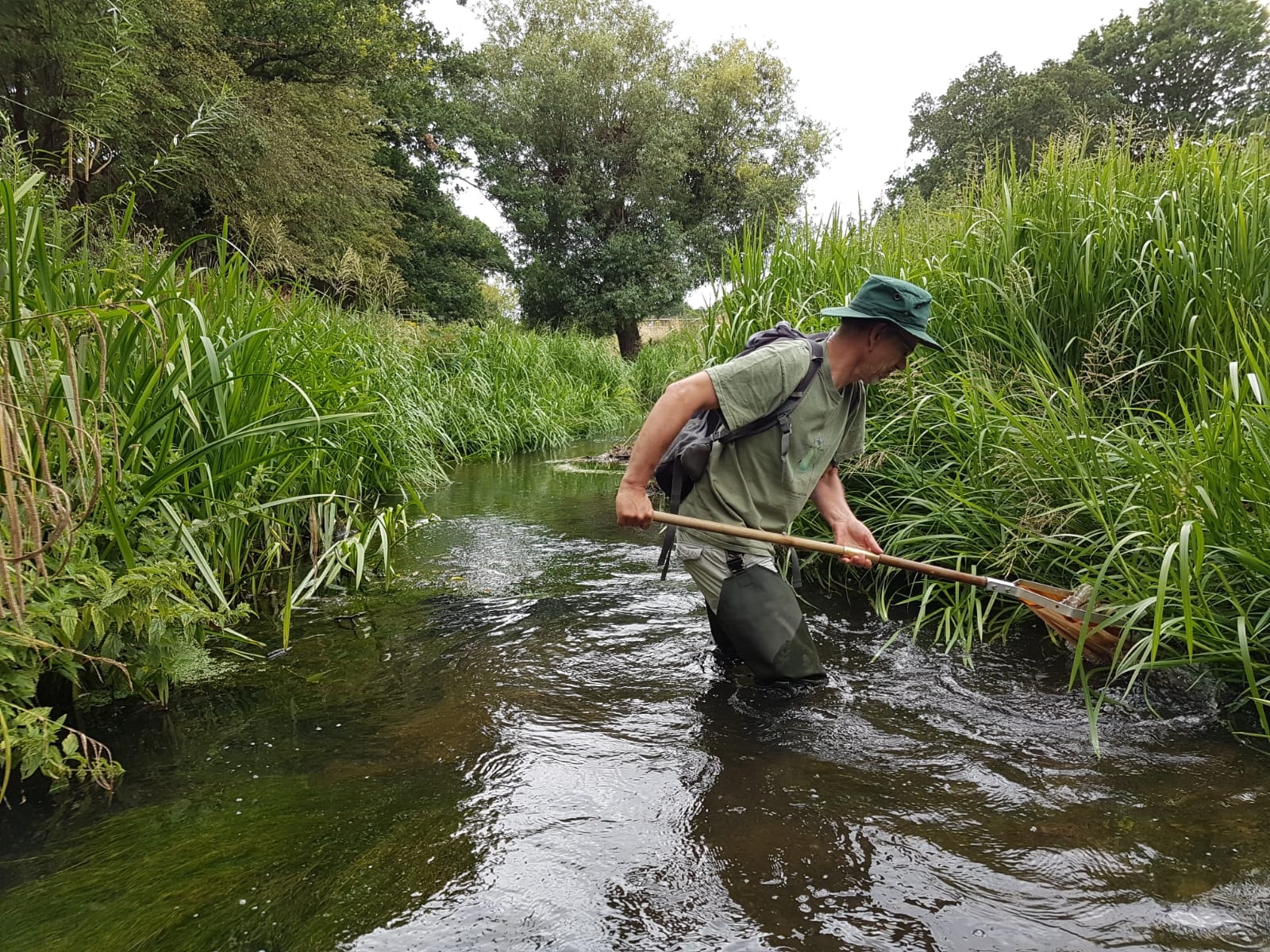
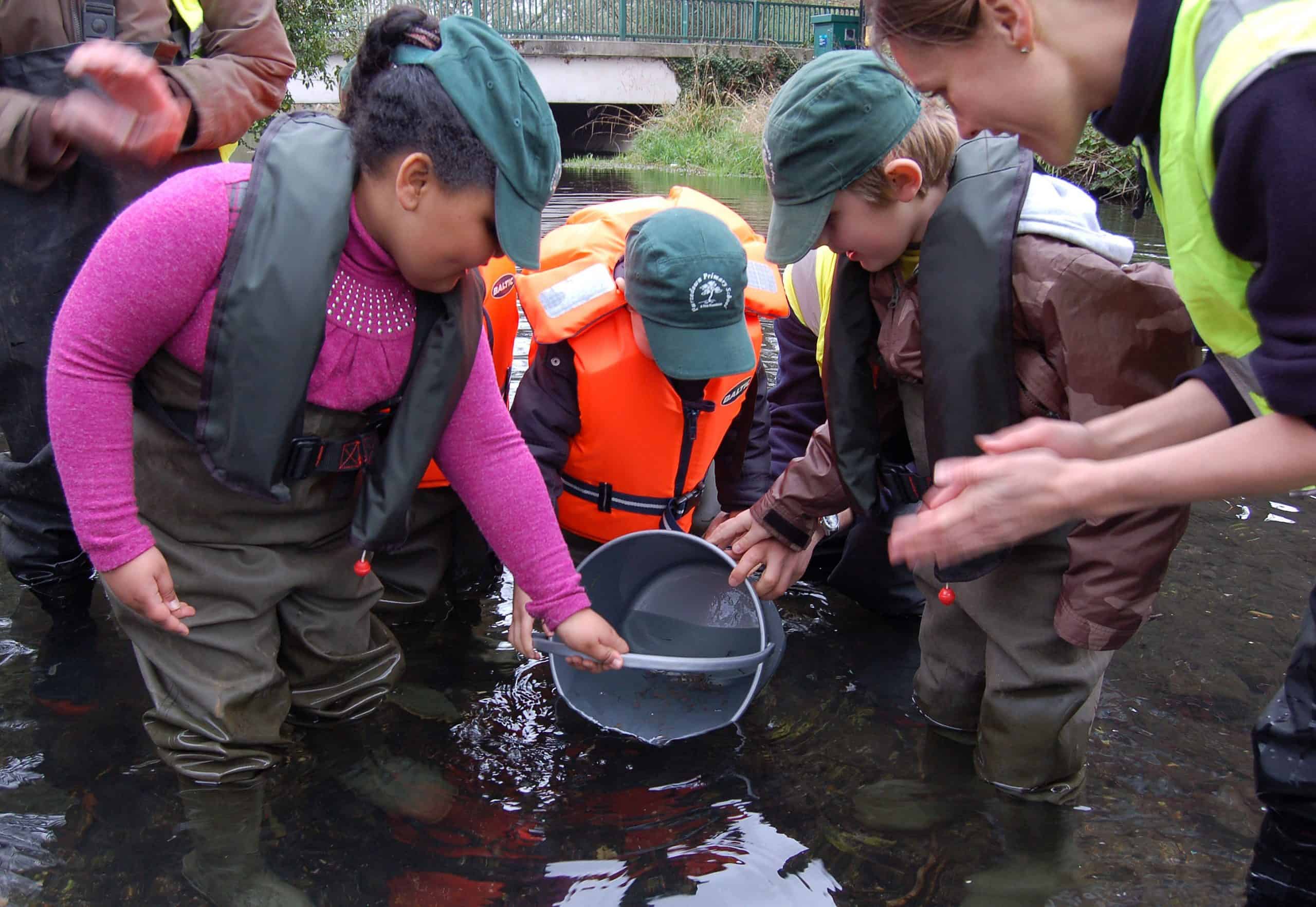
Invertebrate survey along the Beverley Brook at Richmond Park © South East Rivers Trust
Working together for London’s waterways
The plan’s biodiversity proposals were developed with representatives from environmental charities, local authorities, catchment partnerships, water companies and organisations including the Environment Agency and Canal & River Trust.
This collaborative approach recognises that the challenges affecting urban rivers are closely connected. Improving water quality, restoring habitats, adapting to climate change and creating fair access to nature must be addressed together.
Local action will be central to its success. Citizen scientists can help build our understanding of river health, while volunteers and community organisations can support habitat improvements and create a better-connected network of spaces for wildlife.
Everyone can also help London’s rivers by saving and reusing water, disposing of household chemicals responsibly, checking properties for plumbing misconnections and preventing litter from entering drains and waterways.
Together, these actions can help turn the tide for London’s rivers, creating a healthier future for wildlife, communities and the capital.
London's rivers are vital habitats and wildlife corridors, as well as places where millions of people can experience nature closer to home.Dr Bella Davies, CEO, South East Rivers Trust
This plan brings together action on pollution, biodiversity, public access and climate resilience rather than treating them as separate issues. We are proud to have helped shape it and look forward to working with partners and communities to turn its ambition into healthier, more resilient rivers.
Discover our work on the Wandle
See how we're working with communities and partners to restore this rare urban chalk stream.