About the Hogsmill
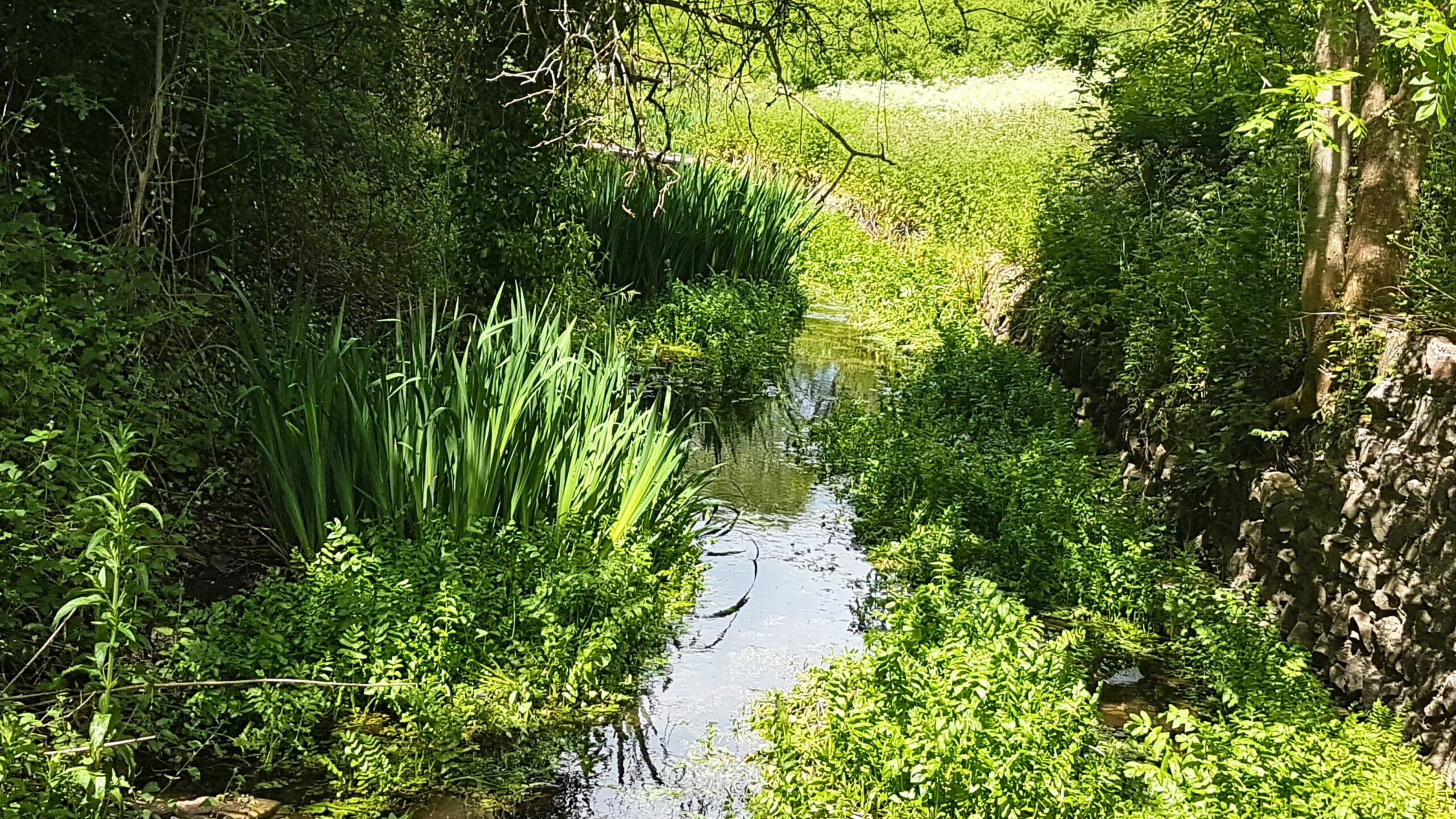
The Hogsmill rises from springs in Ewell, where the North Downs chalk meets London clay. This makes the headwaters of the river a chalk stream, a rare and special habitat that can support a rich mix of wildlife.
The river flows north through green spaces, residential areas and Kingston before joining the River Thames. Along the way, it is joined by five tributaries and provides an important blue-green corridor through a highly urban landscape.
The Hogsmill is a well-loved local river, used by communities for walking, recreation and time in nature. It also has a fascinating history, with past mills powered by the river and links to well-known 19th century artworks including John Millais’ Ophelia.
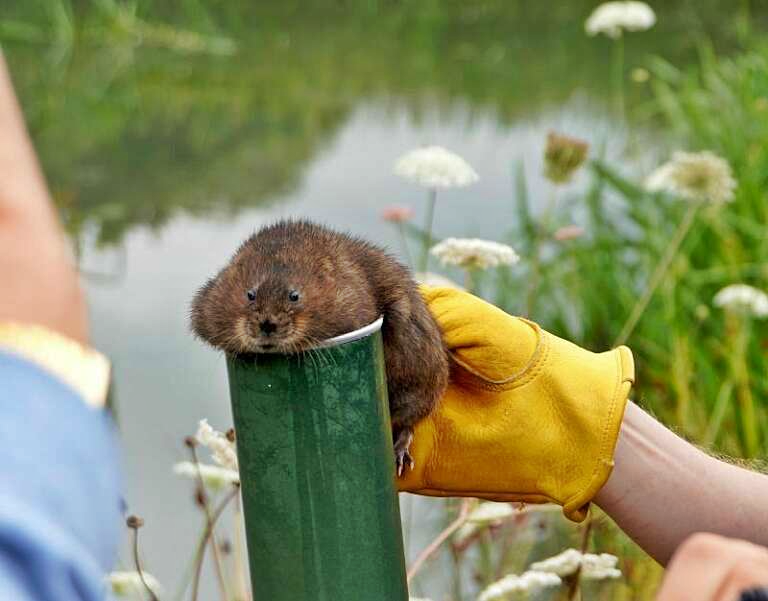
Water voles being released on the Upper Hogsmill © South East Rivers Trust
Why the Hogsmill matters
Chalk streams are rare habitats, and the Hogsmill is one of the few found in an urban setting. Its waters and surrounding green spaces support fish, invertebrates, birds, bats, butterflies and other wildlife.
Species found in and around the Hogsmill include dace, chub, eel, gudgeon, mayflies, freshwater shrimp and damselflies. The surrounding open spaces also support a wide range of habitats, including scrub, meadow and woodland.
Healthy rivers like the Hogsmill bring nature into towns and cities, creating space for wildlife while giving people more opportunities to connect with their local environment.
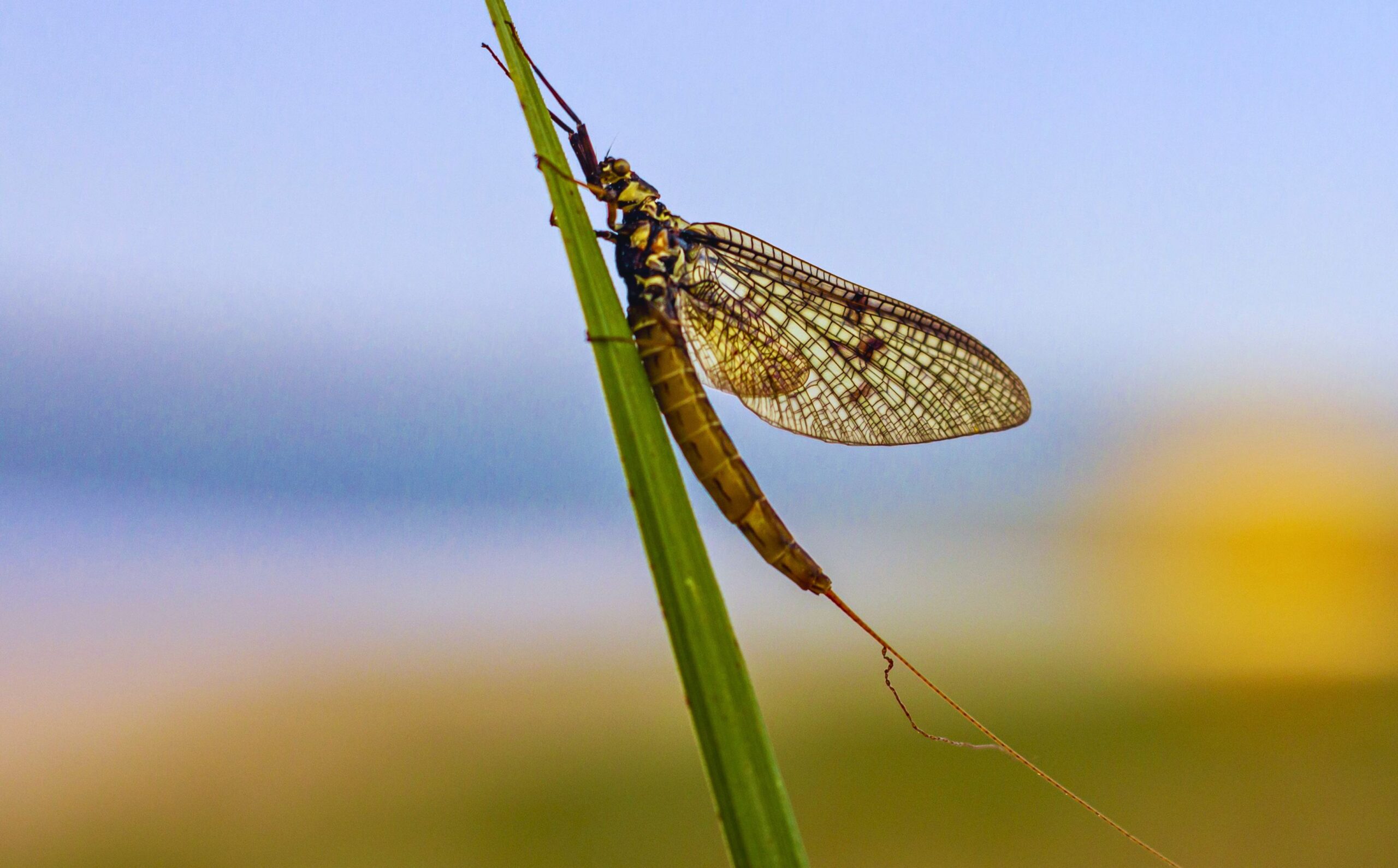
A mayfly, one of the species found in the Hogsmill © South East Rivers Trust
Challenges facing the Hogsmill
Like many urban rivers, the Hogsmill faces pressures from pollution, modified habitats, flooding, drought and barriers to fish movement.
These pressures affect water quality, wildlife and the river’s ability to function naturally. By working across the whole catchment, we can help restore habitats, improve river health and make the Hogsmill more resilient for the future.
Our work on the Hogsmill
We host the Hogsmill Catchment Partnership, bringing together organisations, communities and stakeholders who can help improve the health of the river.
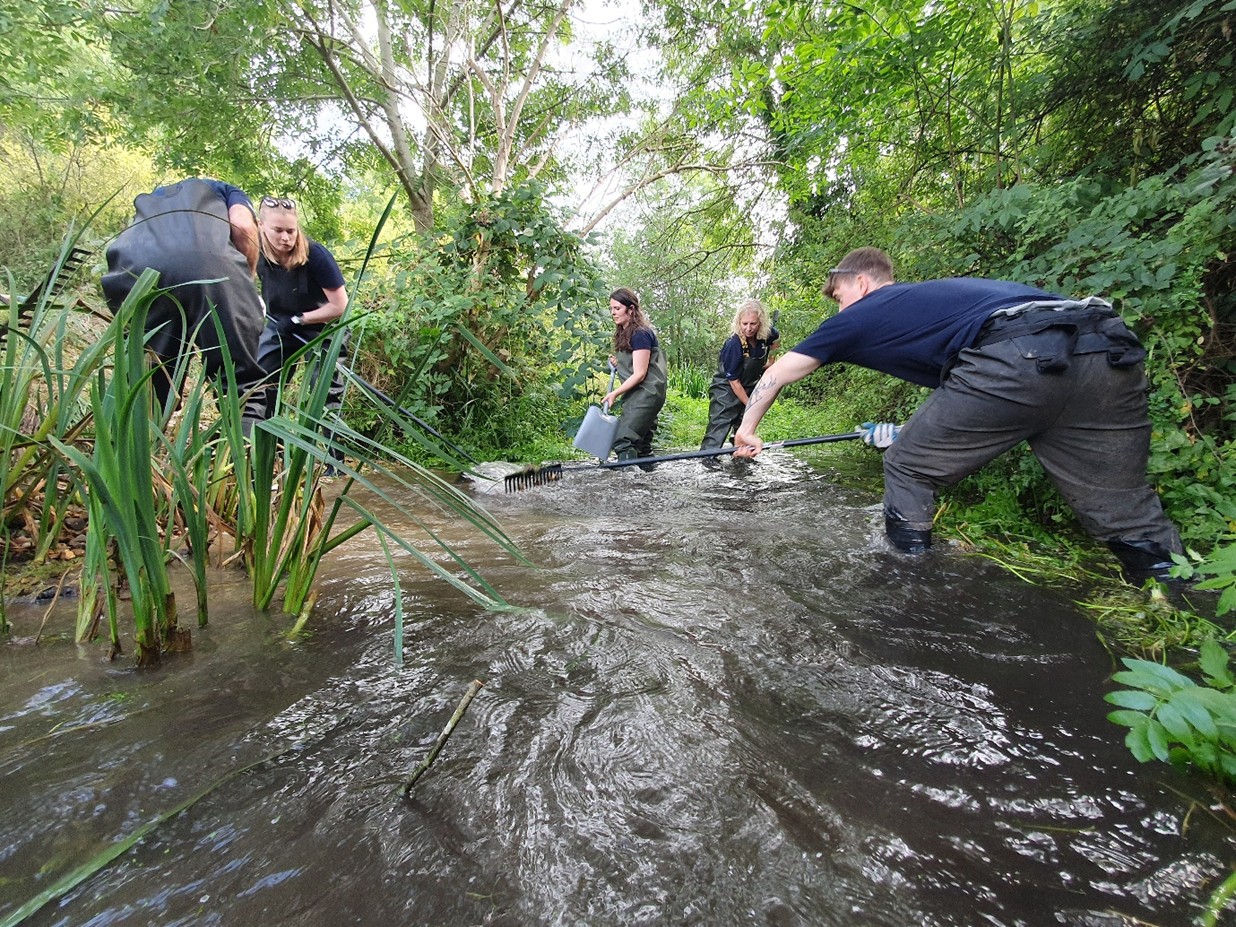
Our work in the Hogsmill catchment includes improving habitats, reconnecting sections of river, supporting fish passage, tackling pollution and helping people take action for their local river.
Discover the Hogsmill Catchment Partnership
We host the Hogsmill Catchment Partnership, bringing together organisations and stakeholders to help the river thrive again. Visit the Partnership website to learn more about the Hogsmill, the challenges it faces and how partners are working to restore it for people and wildlife.