Outfall Safaris
Discover how trained volunteers survey river outfalls, uncover hidden pollution and provide evidence that helps water companies and the Environment Agency take action.
If you’ve spotted pollution or an environmental problem on a waterway, please report it directly to the Environment Agency via GOV.UK or call their 24/7 incident hotline on 0800 80 70 60.

Combining science and community action to understand river health and support effective restoration.
Good evidence helps us understand the pressures facing rivers and identify where action can make the greatest difference. We carry out scientific monitoring while giving people the skills and opportunities to investigate the health of their local waterways.
Through water quality testing, volunteer monitoring and citizen science campaigns such as the Big River Watch, people can collect valuable evidence, track change and contribute to the protection and restoration of rivers across the South East.
Only 14% of rivers in England are in good ecological health. Pollution, habitat loss, barriers to fish movement and climate change are putting increasing pressure on river ecosystems, wildlife and communities.
Unhealthy rivers can lead to poorer water quality, greater flood and drought risk, and the loss of important freshwater habitats. Declines in riverflies such as mayflies, stoneflies and caddisflies also affect the fish, birds and other wildlife that depend on them.
Scientific monitoring and citizen science help us:
By combining scientific data with local knowledge, we can understand where action is needed and support more effective, evidence-led river restoration.
We support and deliver a range of citizen science initiatives that help people explore, understand and protect their local rivers.
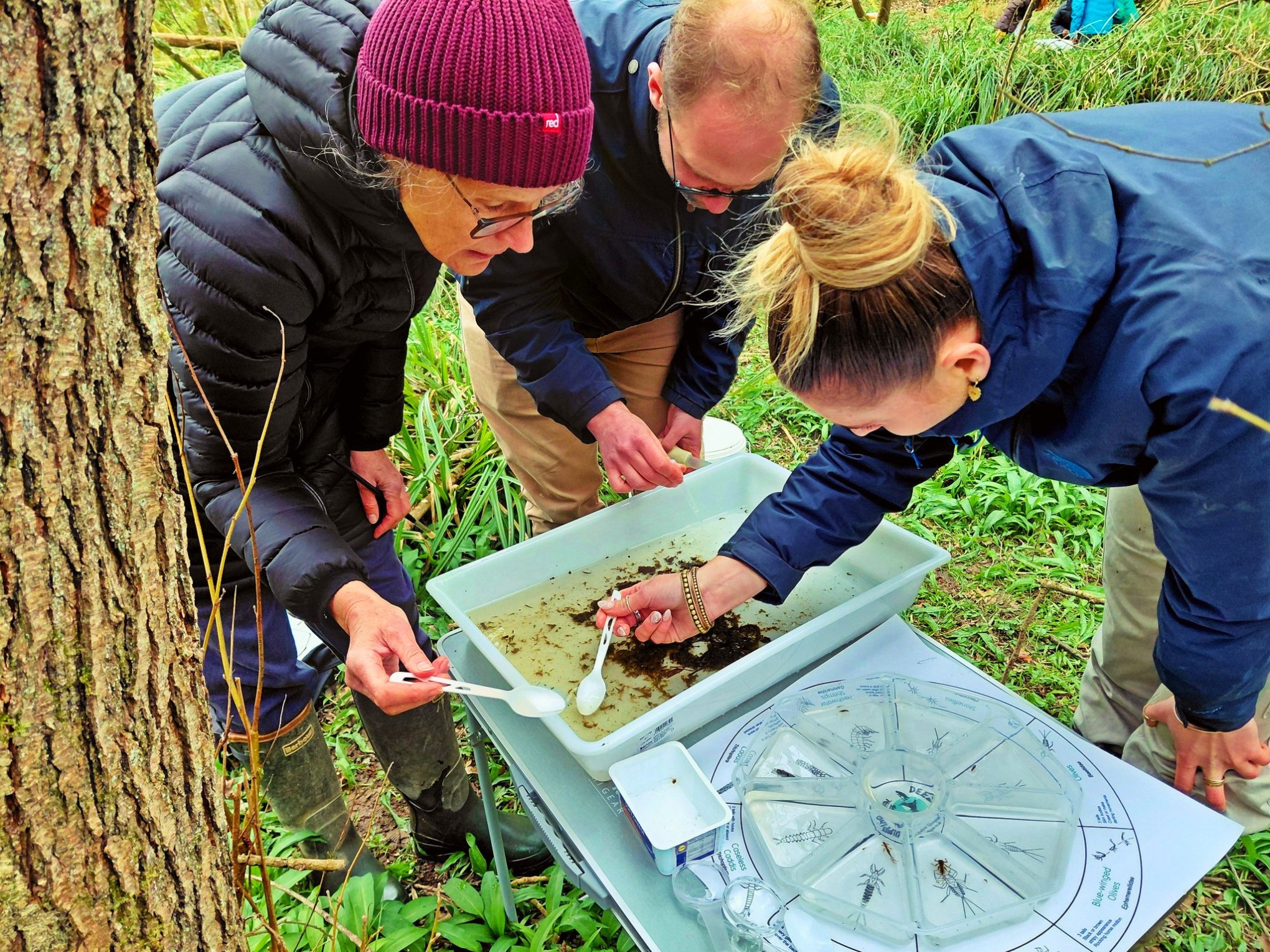
Volunteers take part in the Riverfly Partnership’s Riverfly Monitoring Initiative (RMI), sampling aquatic invertebrates such as mayflies and caddisflies.
These species are sensitive to pollution, making them powerful indicators of river health. Regular monitoring helps to identify sudden changes, enabling rapid investigation and response.
We work with communities, schools and partners to monitor water quality, collecting data on key indicators such as nutrients, dissolved oxygen, temperature and conductivity—helping to identify the presence of pollution.
Using simple, repeatable methods, citizen scientists can build a clear picture of how water quality changes along a river. This allows us to spot patterns, identify potential pollution hotspots, and target further investigation where it’s needed most.
Alongside this, trained volunteers and partners use more advanced monitoring techniques to track long-term trends and generate robust evidence that supports action.
This data helps us to:
By combining local monitoring with scientific analysis, we can take informed, targeted action to improve river health.
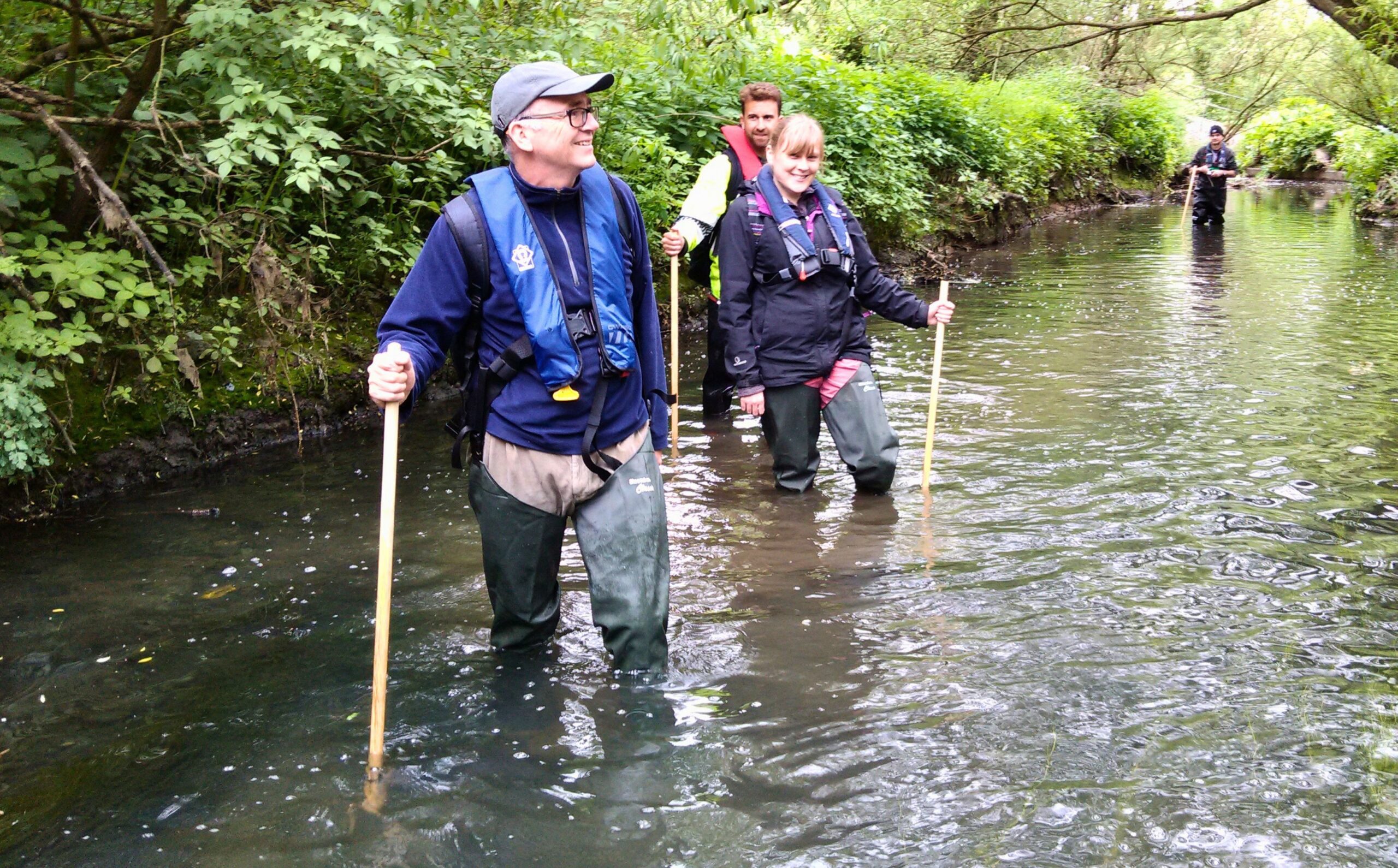
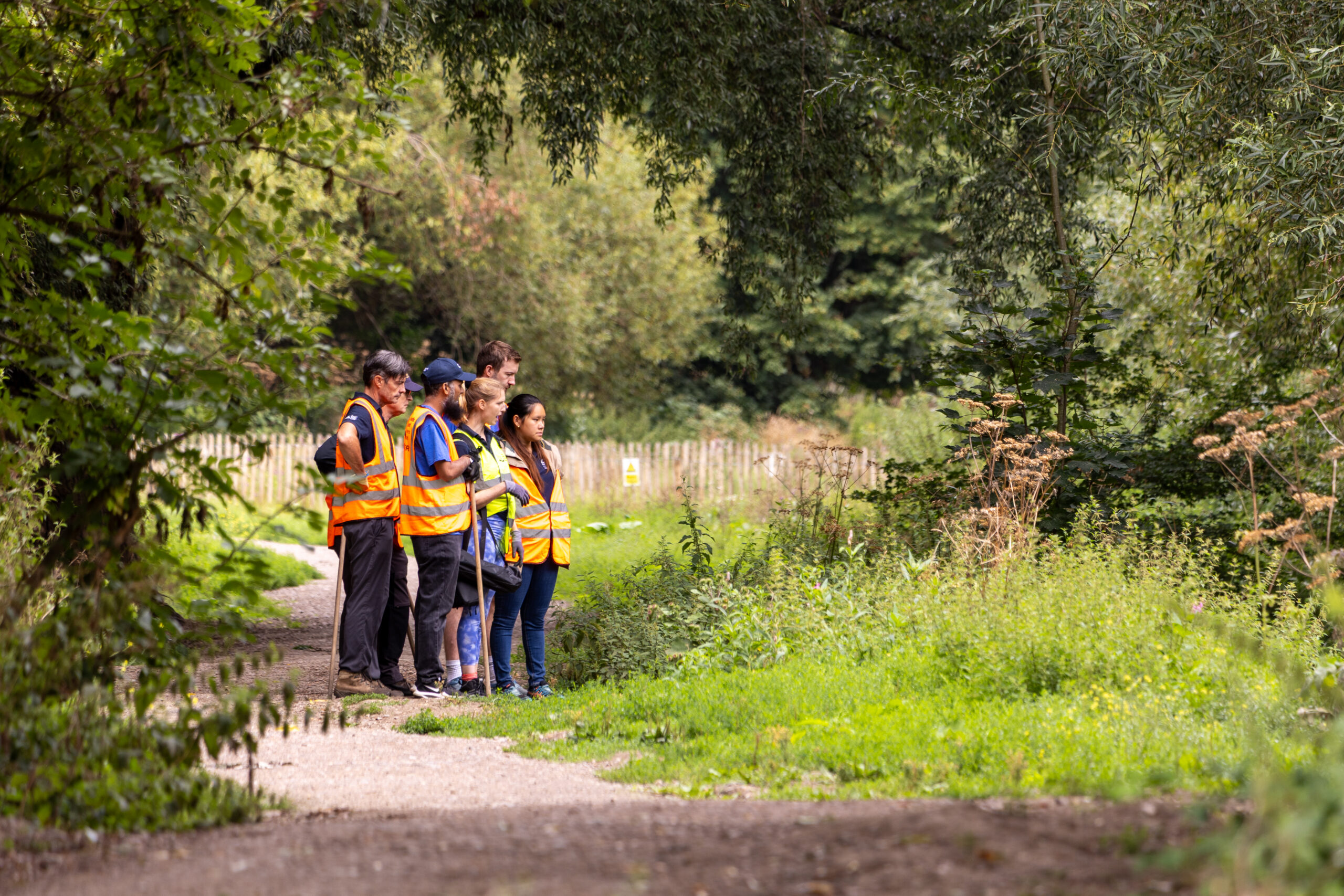
Discover how trained volunteers survey river outfalls, uncover hidden pollution and provide evidence that helps water companies and the Environment Agency take action.
Helping people reconnect with some of the world’s rarest rivers. Chalk Stream Connectors brings communities together through arts, culture, nature and volunteering to celebrate and protect local chalk streams.
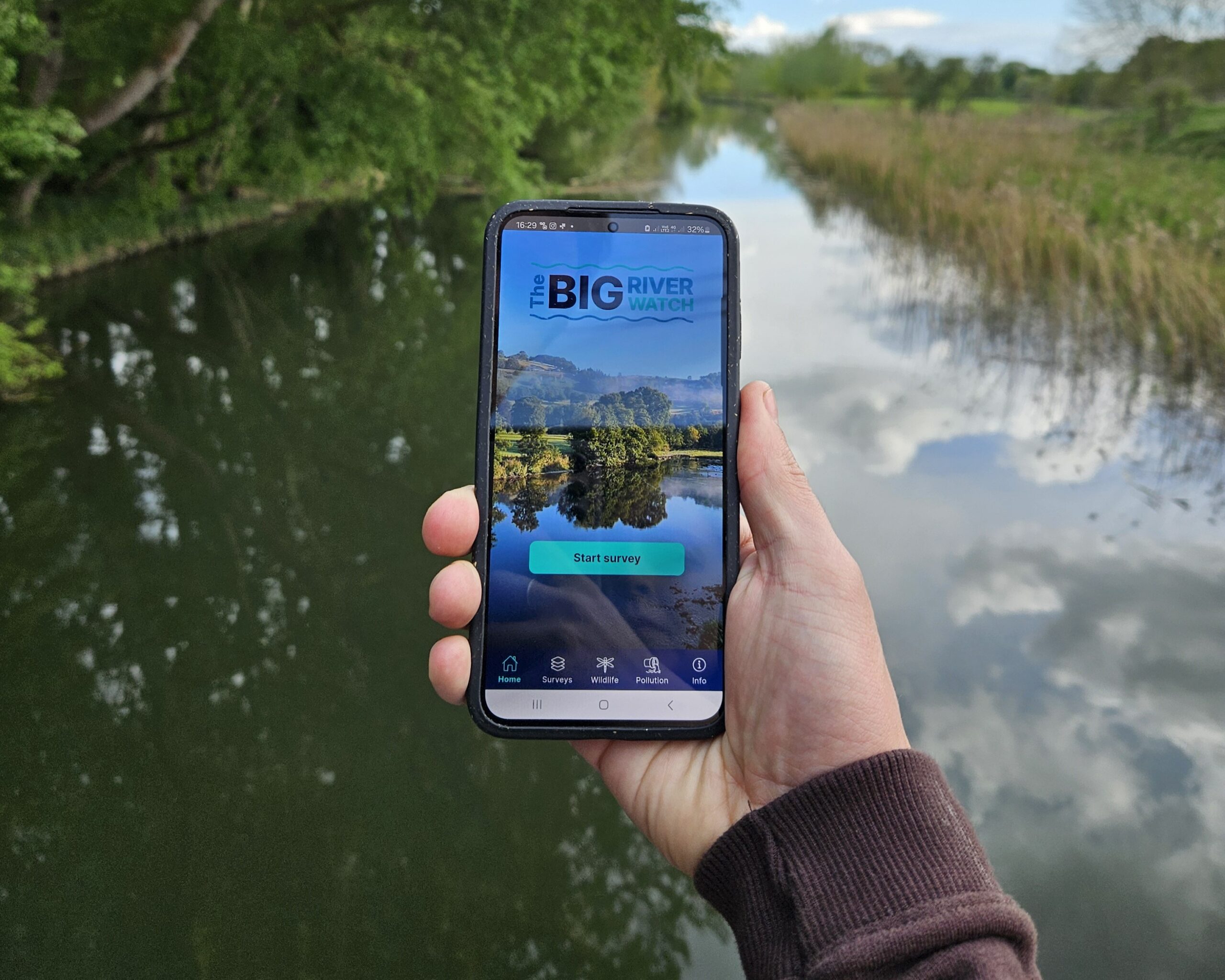
Explore what volunteers in South East England recorded during Big River Watch 2026.
Citizen science is about more than data. It’s about people.
Through training, events and hands-on activities, we help individuals and communities:
From families discovering river life for the first time to trained volunteers leading monitoring efforts, every contribution matters.
You don’t need to be a scientist to make a difference.
Whether you want to monitor wildlife, test water quality or take part in a national survey, there are many ways to get involved and support healthier rivers.