Reporting pollution or environmental problems

If you’ve spotted pollution or an environmental problem on a waterway, please report it directly to the Environment Agency via GOV.UK or call their 24/7 incident hotline on 0800 80 70 60.

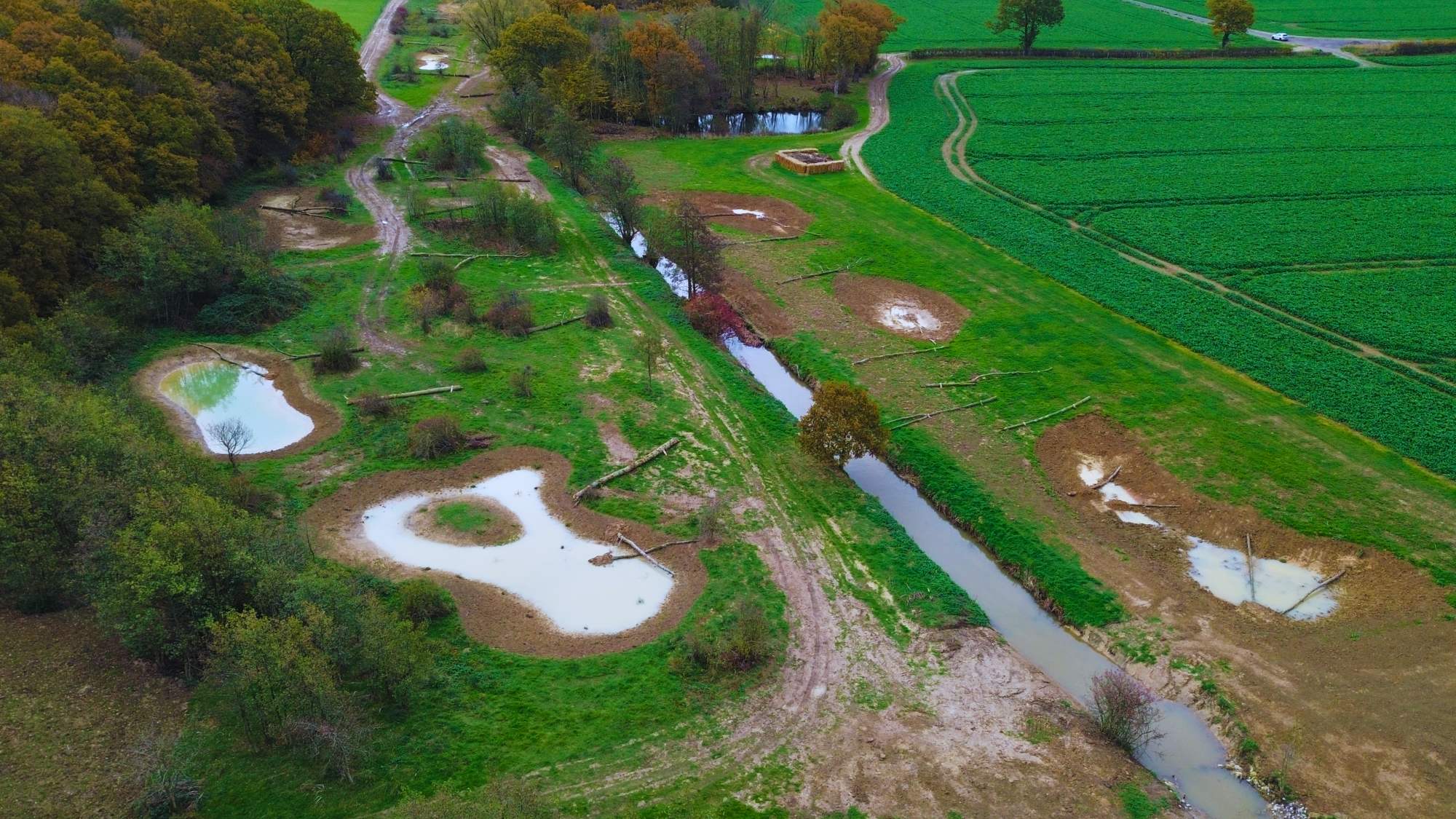
An aerial view of ponds, scrapes and farmland.

How can we make rivers more resilient to floods and drought?

Discover how working with nature can slow the flow, store more water in the landscape and help rivers cope with both heavy rainfall and dry weather.

From intense rainfall to long dry spells, our rivers are increasingly having to cope with extremes. Discover how working with nature can help keep more water in the landscape, reduce flood risk and create healthier, more resilient rivers.

One month a river can be struggling with low flows. A few weeks later, heavy rainfall can send water quickly downstream.

Flooding and drought might seem like opposite problems, but they are closely connected. How water moves through and is stored in the landscape affects how rivers respond to both.

Across the South East, we are working to restore natural processes that give water more places to go. By slowing it down during wet weather and holding more of it in soils, wetlands and floodplains, we can help landscapes become better able to cope with both extremes.

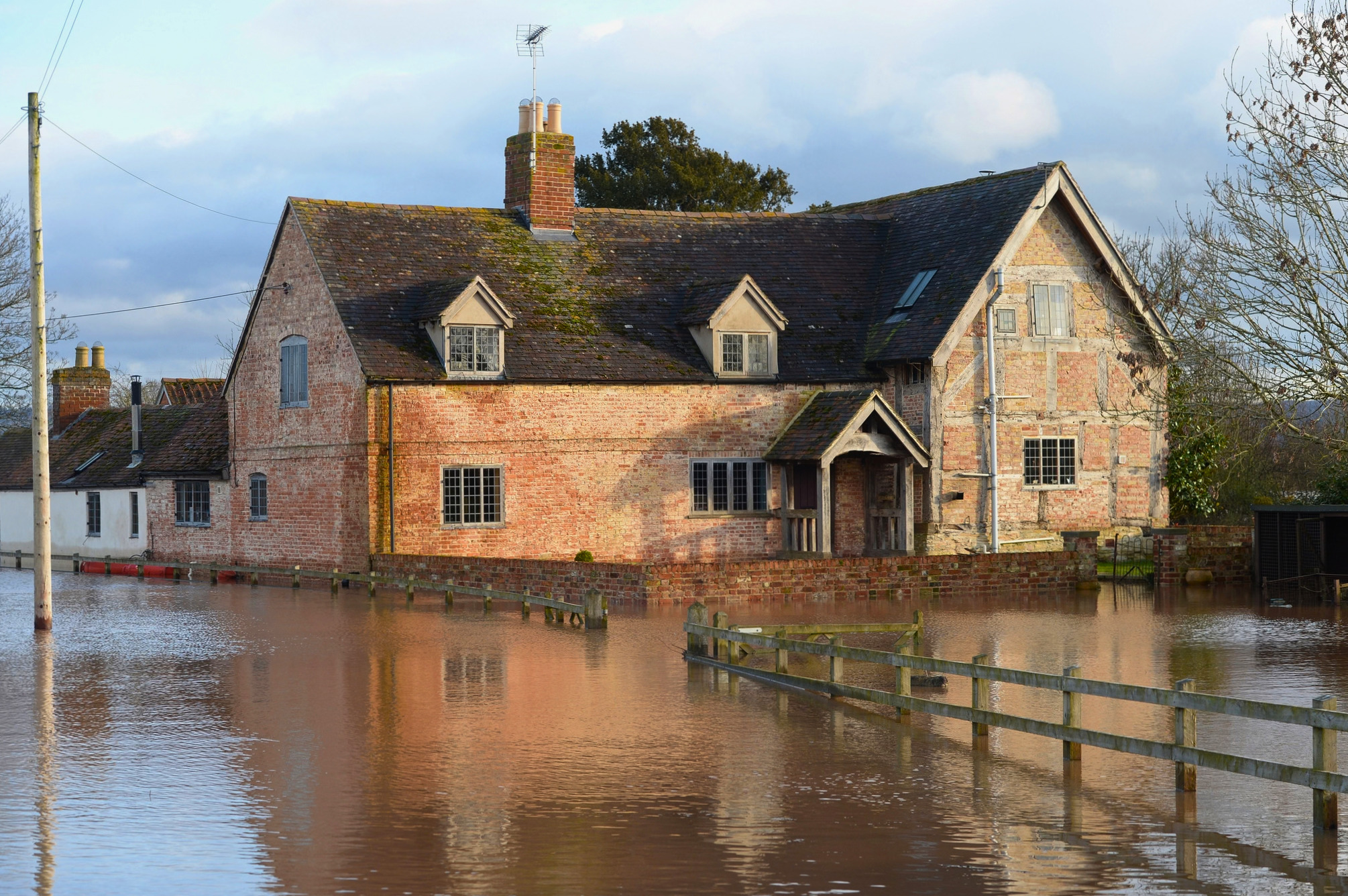
A large red brick house with beams is surrounded with flood water.
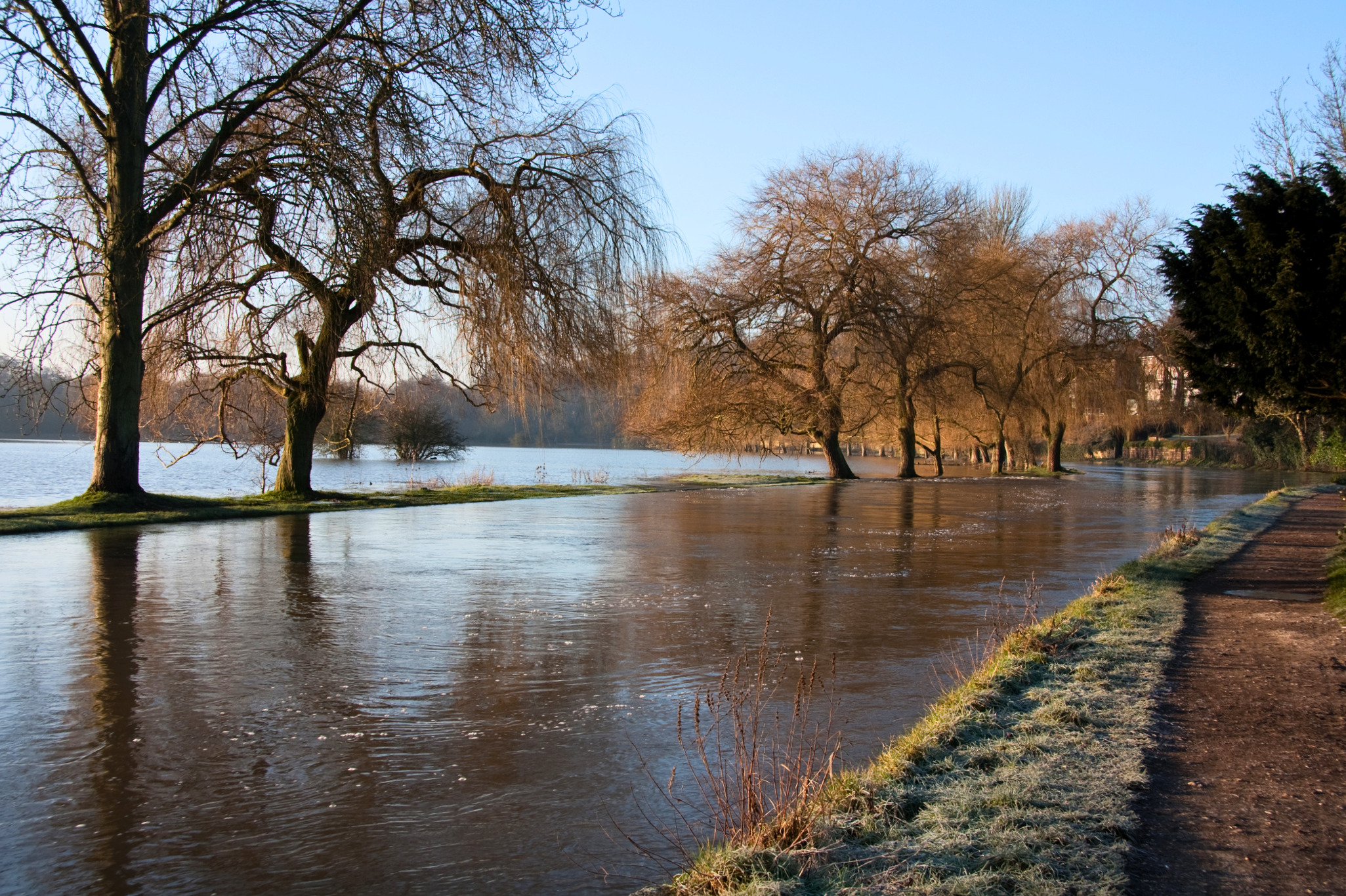
A flooded footpath lined with trees during winter.

Why does water move through our landscapes so quickly?

Over many years, rivers have been straightened, wetlands drained and floodplains disconnected from their rivers. Urban development and changes in how land is managed can also affect how quickly rainfall reaches a river.

When water moves rapidly across the landscape during heavy rain, river levels can rise quickly and increase flood risk downstream.

The opposite can happen during long periods without rain. If less water has been retained in soils, wetlands and other parts of the landscape, rivers and wildlife can become more vulnerable during dry weather.

Climate change is adding further pressure, with more intense rainfall and longer dry periods increasing the need for landscapes that can respond to changing conditions.

Slowing water during rainfall

During heavy rainfall, Natural Flood Management can help delay the journey water makes downstream.

Features such as leaky barriers temporarily hold water back. Ponds, scrapes, wetlands and connected floodplains provide places where water can spread out and be stored.

This does not stop flooding altogether. Instead, these measures can help reduce and delay peak flows as part of a wider approach to managing flood risk.

There are benefits beyond flooding too. Slower-moving water can allow sediment and some pollutants to settle or be filtered, while newly created wetlands and more varied river habitats provide space for wildlife.

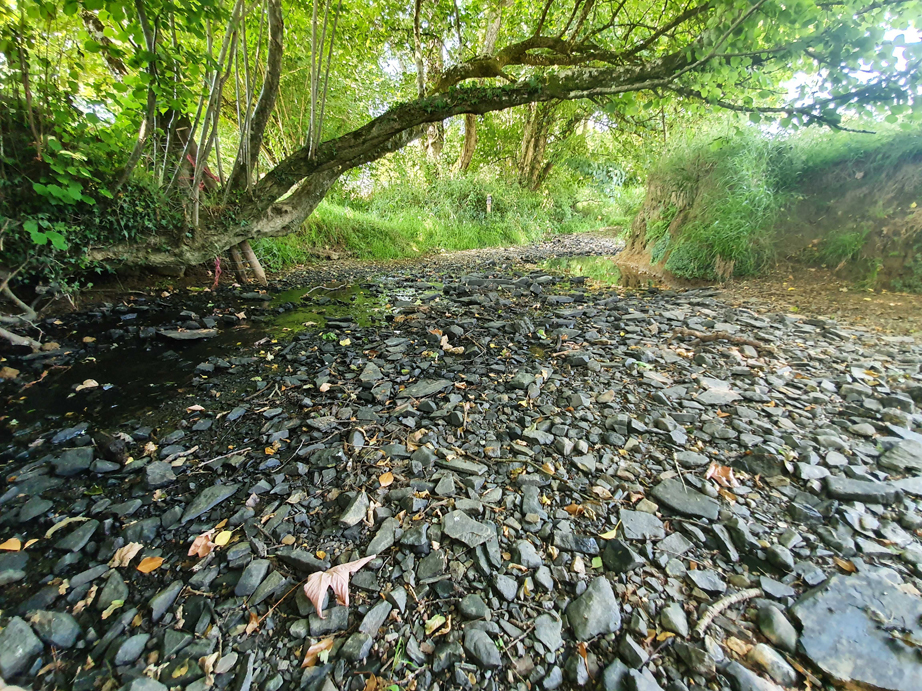
A dry river bed in drought

Keeping water in the landscape when it is dry

Holding water for longer can also help during dry periods.

Healthy floodplains, soils and wetlands behave a little like a sponge. They take in water when conditions are wet and release it more gradually.

This helps build drought resilience, supports wetland habitats and can reduce pressure on rivers when flows are low.

Elsewhere, we also work with farmers and landowners on approaches including sustainable water storage, rainwater capture and improved soil management to help make water resources more resilient.

What does this look like in practice?


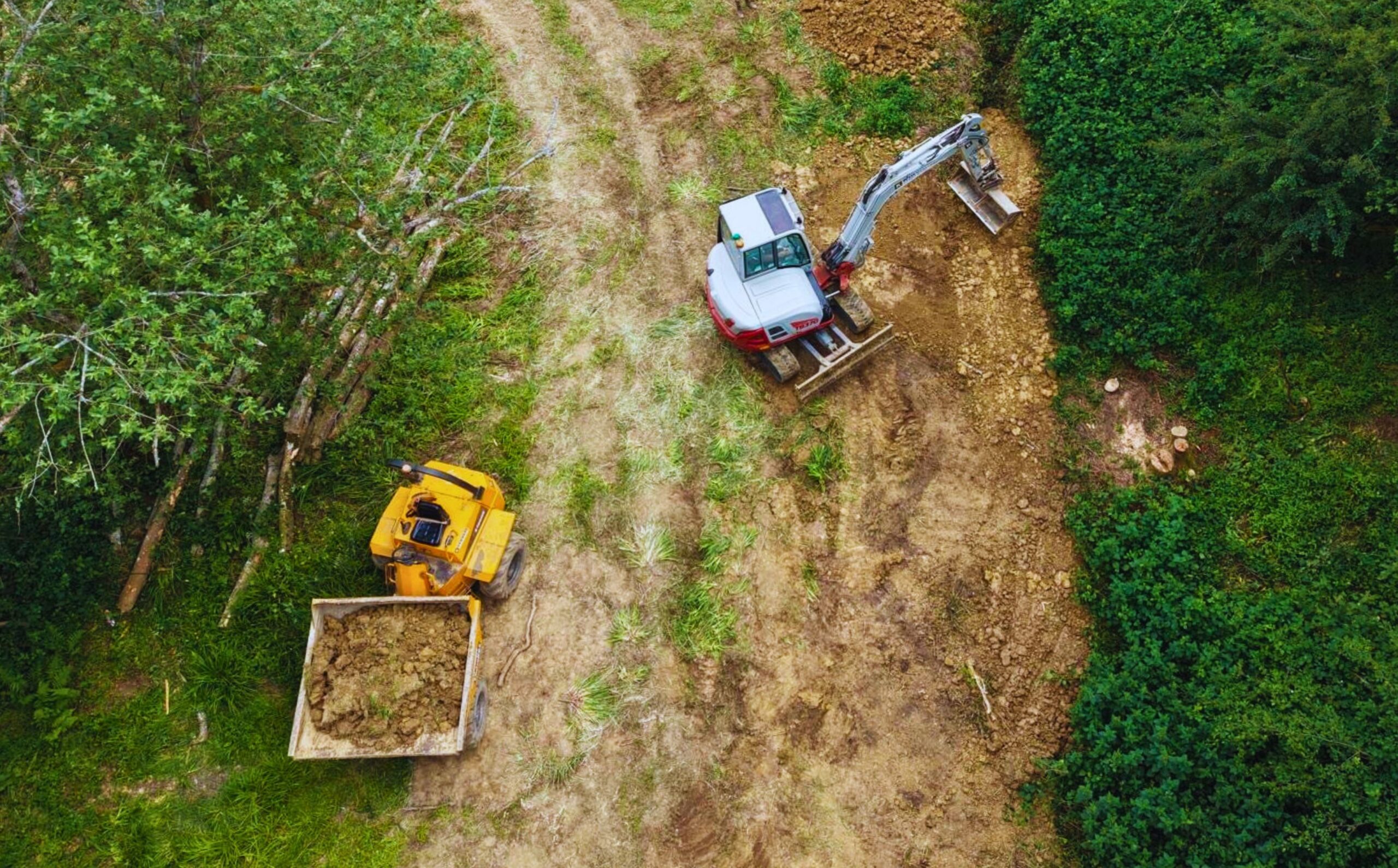
An aerial shot of a two diggers in a field.

Giving the Upper Mole more places to store water

The Upper Mole is a highly responsive river system. Clay soils, urban runoff and modified river channels mean rainfall can move through the catchment quickly. Through our Gatwick Airport Natural Flood Management project, we are working with landowners to slow, store and filter water in the headwaters of the River Mole. During the project’s second year, we installed more than 50 leaky barriers, planted a 100 metre hedgerow with 400 native trees, created a wetland able to store up to 600 cubic metres of water during heavy rainfall and reconnected 100 metres of river with its floodplain. More recently, we restored a historic pond at Fay Cottage Farm. During heavy rainfall, water can flow into the pond and be temporarily stored before draining slowly downstream. The restored pond can hold an estimated 660,000 litres of water across an area of 1,100 square metres.
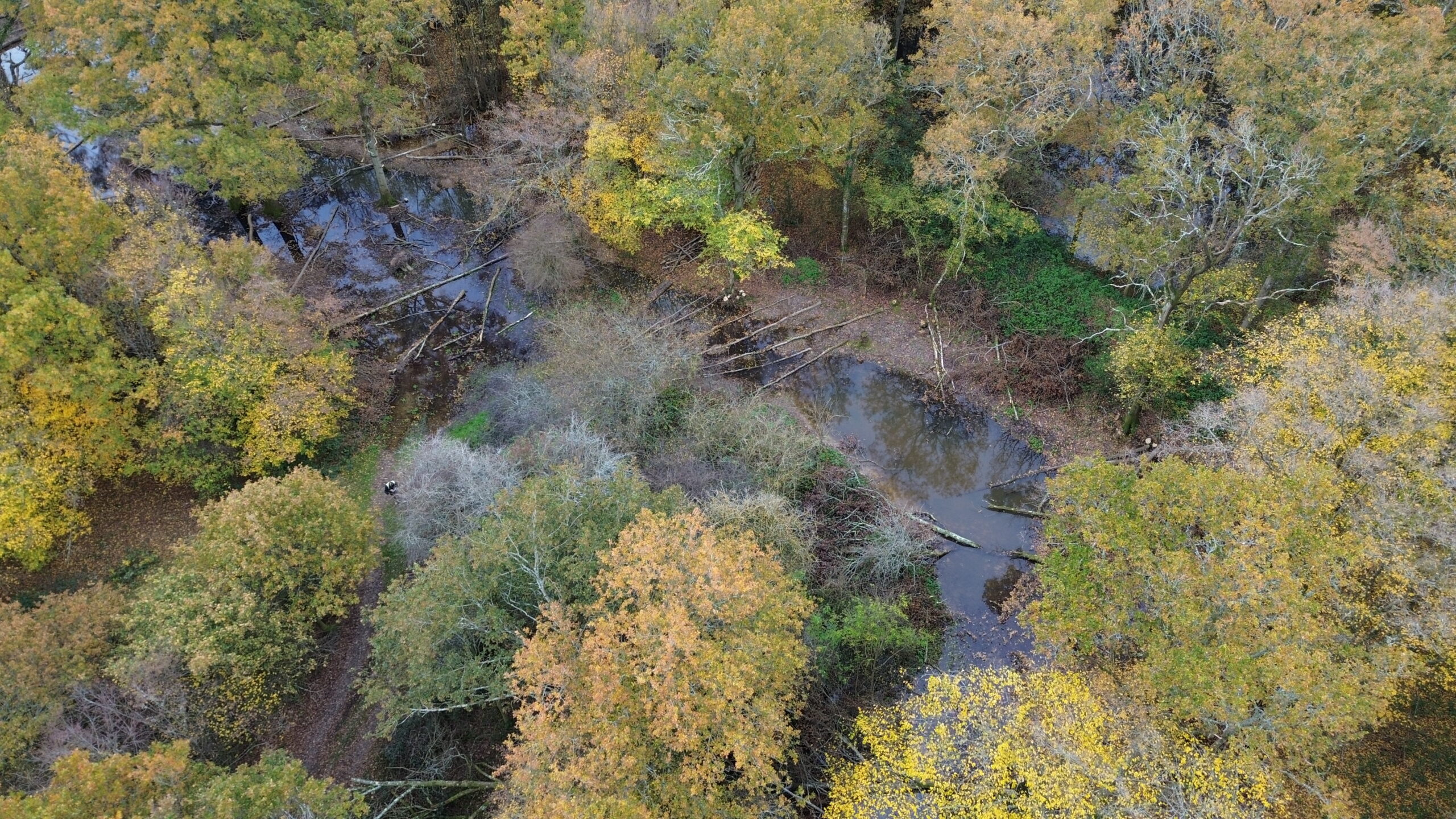
An aerial shot of woodlands with ponds in the centre.

Helping a Kent floodplain work naturally again

On the Upper Beult in Kent, historic drainage and changes to the river meant water was moving through parts of the landscape too quickly. Across 18 hectares, we have been restoring the connection between the river and its floodplain. Our work has included creating 28 ponds and scrapes, installing more than 40 large wood features and leaky dams, and changing sections of channel so water can spread across the floodplain again. Water is now staying in the landscape for longer, with new wetland habitats emerging and slower flows being observed across the restored floodplain. Over time, the work is designed to help reduce flood risk, build drought resilience, improve water quality and create more connected habitats.

Learning what works

Natural Flood Management is not about putting interventions anywhere there is space.

We use evidence to understand how water moves through a catchment and identify where action can make the greatest difference.

Across previous Natural Flood Management work in the Medway catchment, for example, we combined mapping with knowledge from communities affected by flooding to identify important flow pathways and decide where interventions should go.

We continue to monitor our projects so we can understand how different measures perform in different landscapes and use that learning to improve future work.

An aerial view of a woodland with a large body of water and logs placed across the ground.
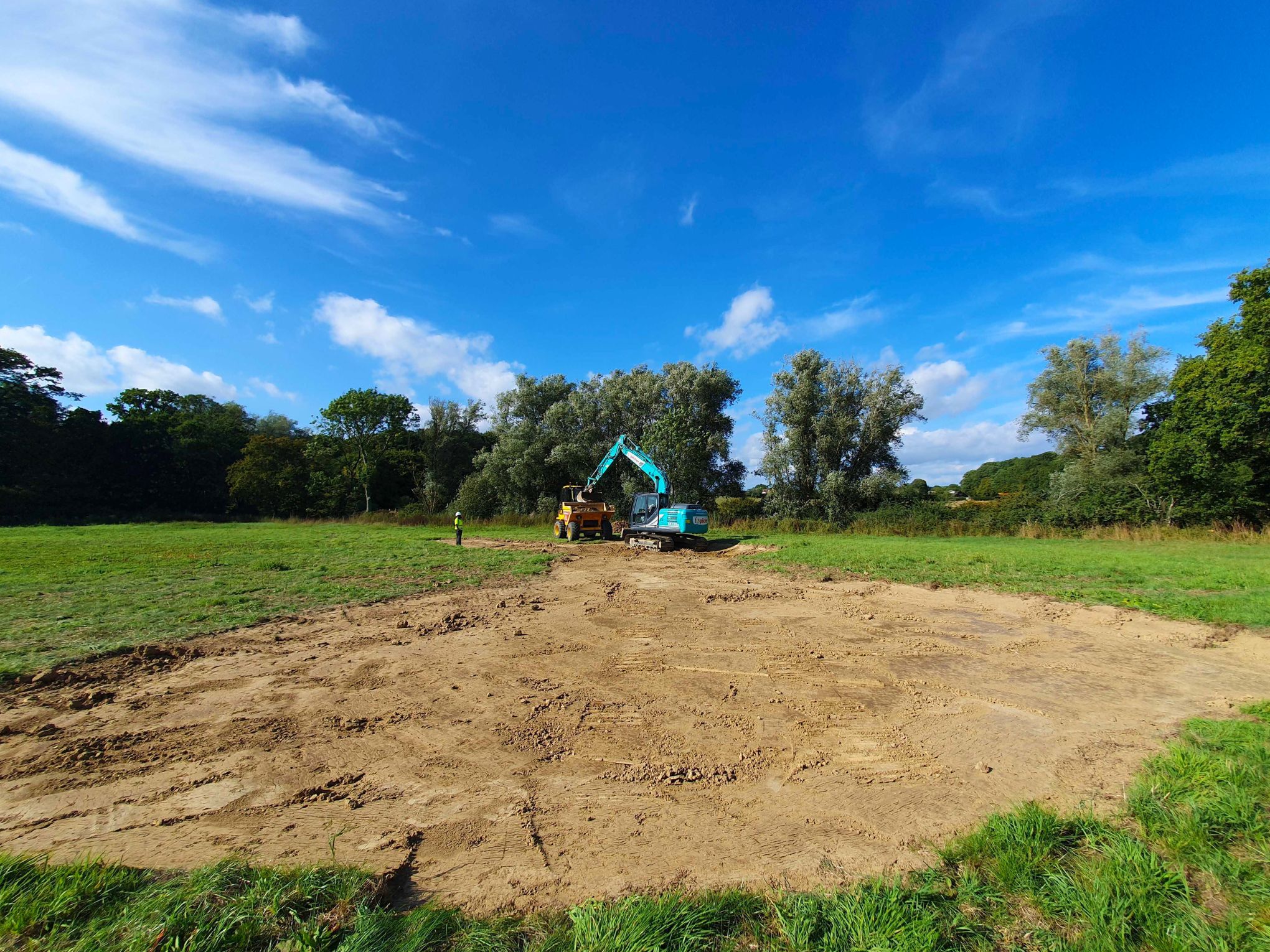
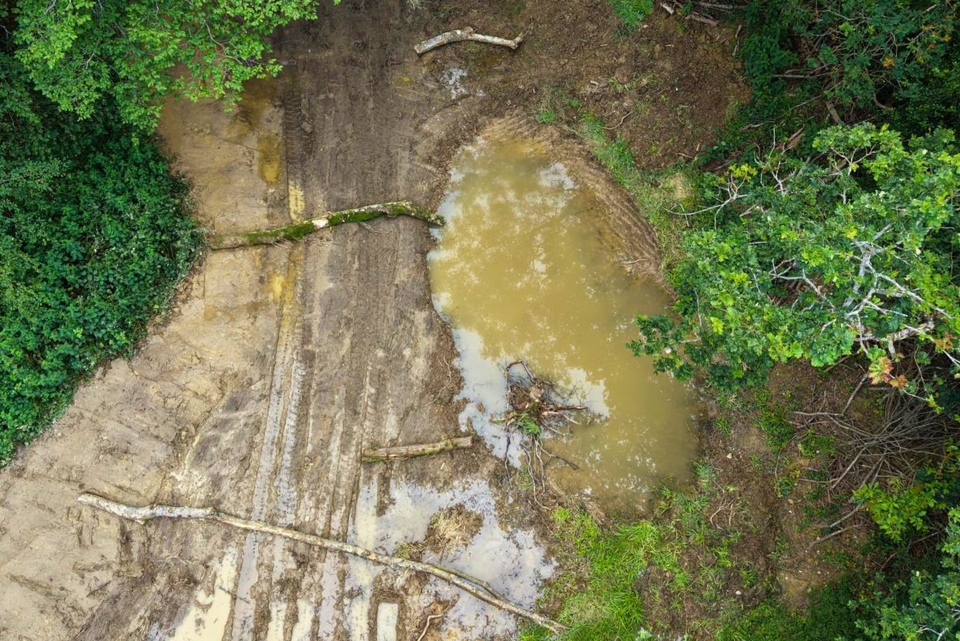
A large area of mud that has been dug in a field with a blue digger in the distance.

Why healthier rivers need healthier landscapes

A river does not begin at its banks.

Every field, woodland, road, wetland and stream within its catchment influences how water eventually reaches the river.

That is why building resilient rivers means working across whole landscapes and working together.

We collaborate with farmers, landowners, businesses, communities, local authorities and other organisations to find solutions that work for people as well as nature.

By restoring natural processes and giving water more space, we can help create landscapes that are better prepared for heavy rain, better able to hold water through dry periods and richer in wildlife.

Explore how we’re building more resilient rivers

Learn more about the ways we’re working with nature to manage water, reduce flood risk and help rivers and landscapes become more resilient to a changing climate.

An aerial view of ponds, scrapes and farmland.