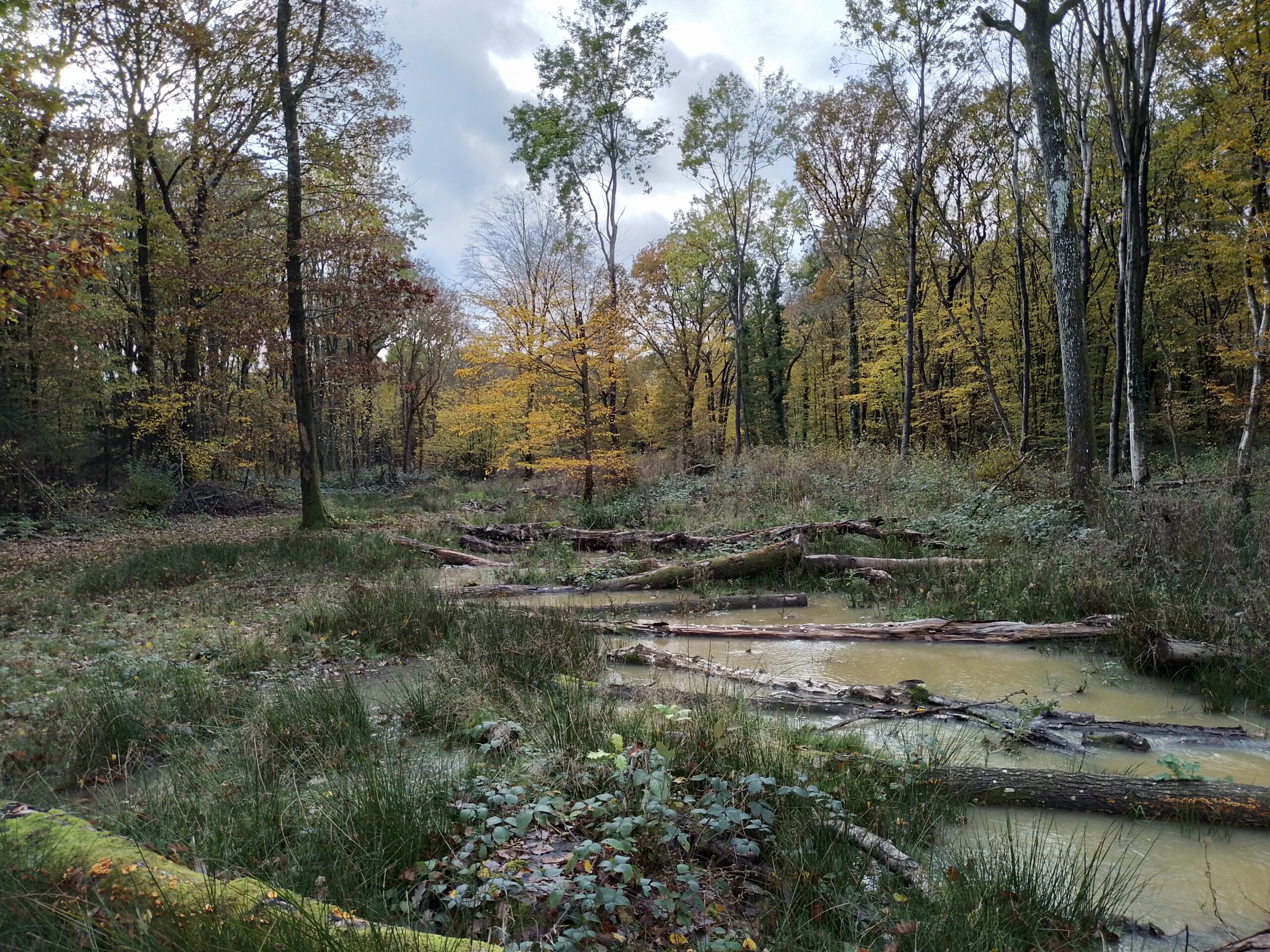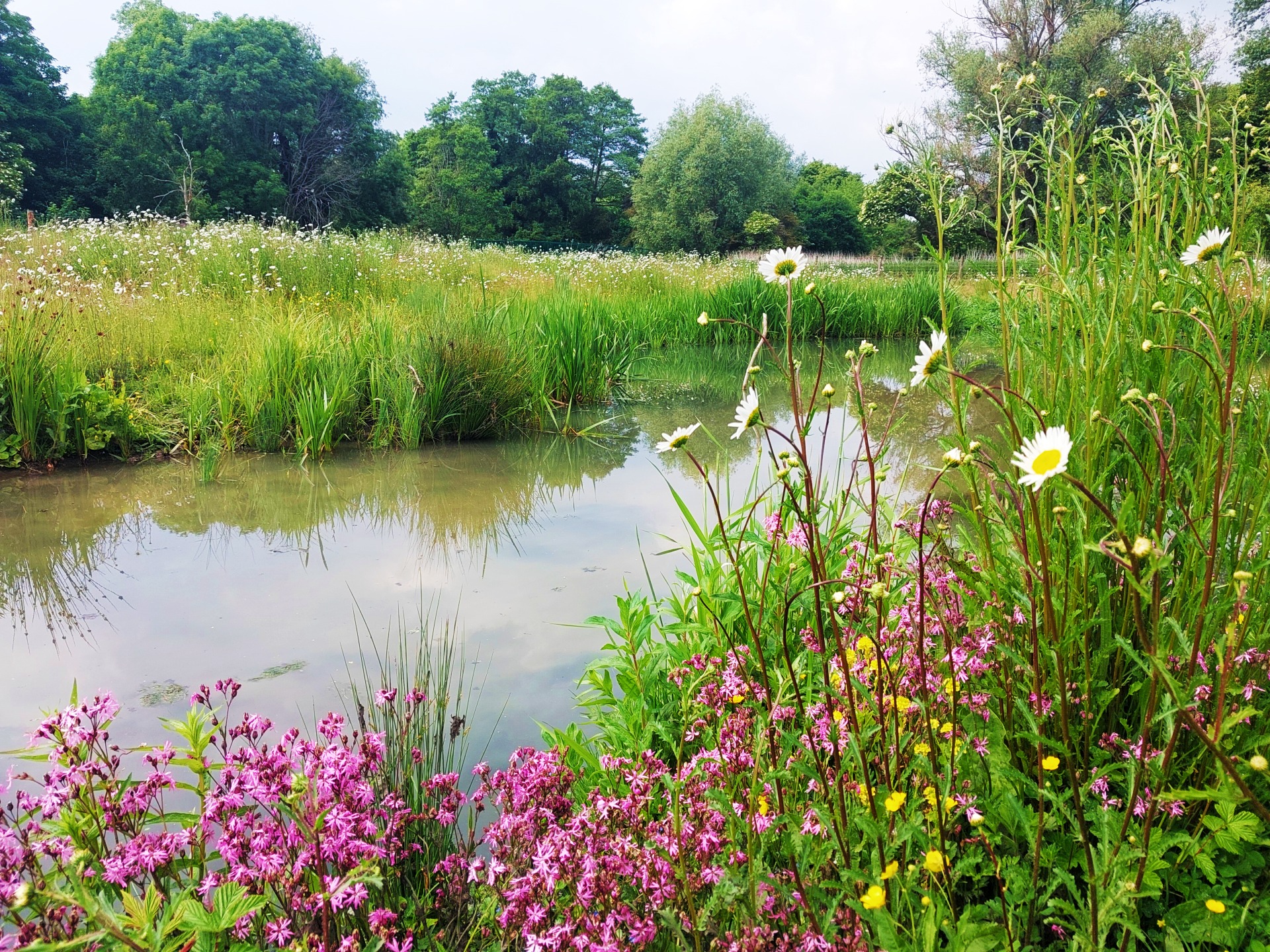
Chamber Mead Wetlands
Discover how Chamber Mead Wetlands is improving water quality, creating wildlife habitat and protecting the Hogsmill river through nature-based solutions.
If you’ve spotted pollution or an environmental problem on a waterway, please report it directly to the Environment Agency via GOV.UK or call their 24/7 incident hotline on 0800 80 70 60.
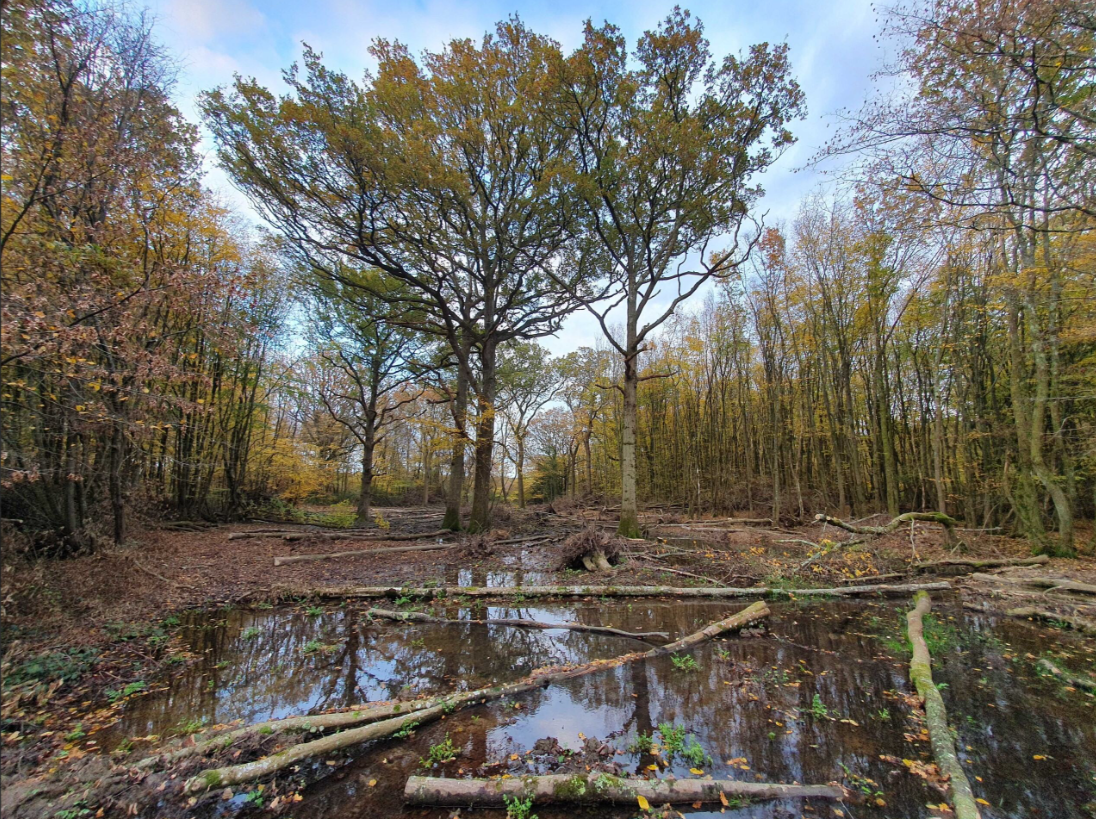
Discover how reconnecting rivers with their floodplains and surrounding green spaces helps reduce flood risk, improve water quality, and create healthier, more resilient landscapes for people and wildlife.
Healthy rivers don’t exist in isolation. They are connected to their floodplains, wetlands and surrounding habitats — forming a natural, “leaky” landscape that allows water to spread and wildlife to move freely through the catchment.
Over time, many rivers have been straightened, deepened or confined within concrete or sheet-piled channels. This disconnects them from their floodplains and limits their natural ability to store water and support life. By restoring these connections, we help rivers function more naturally — slowing the flow of water, reducing flood risk, and creating healthier, better-connected habitats for wildlife and people.
Linking rivers back to their floodplains and surrounding green spaces is a key part of natural flood management.
By restoring these connections, we can:
This approach works best when delivered across whole catchments, combining multiple nature-based solutions to make a meaningful difference.
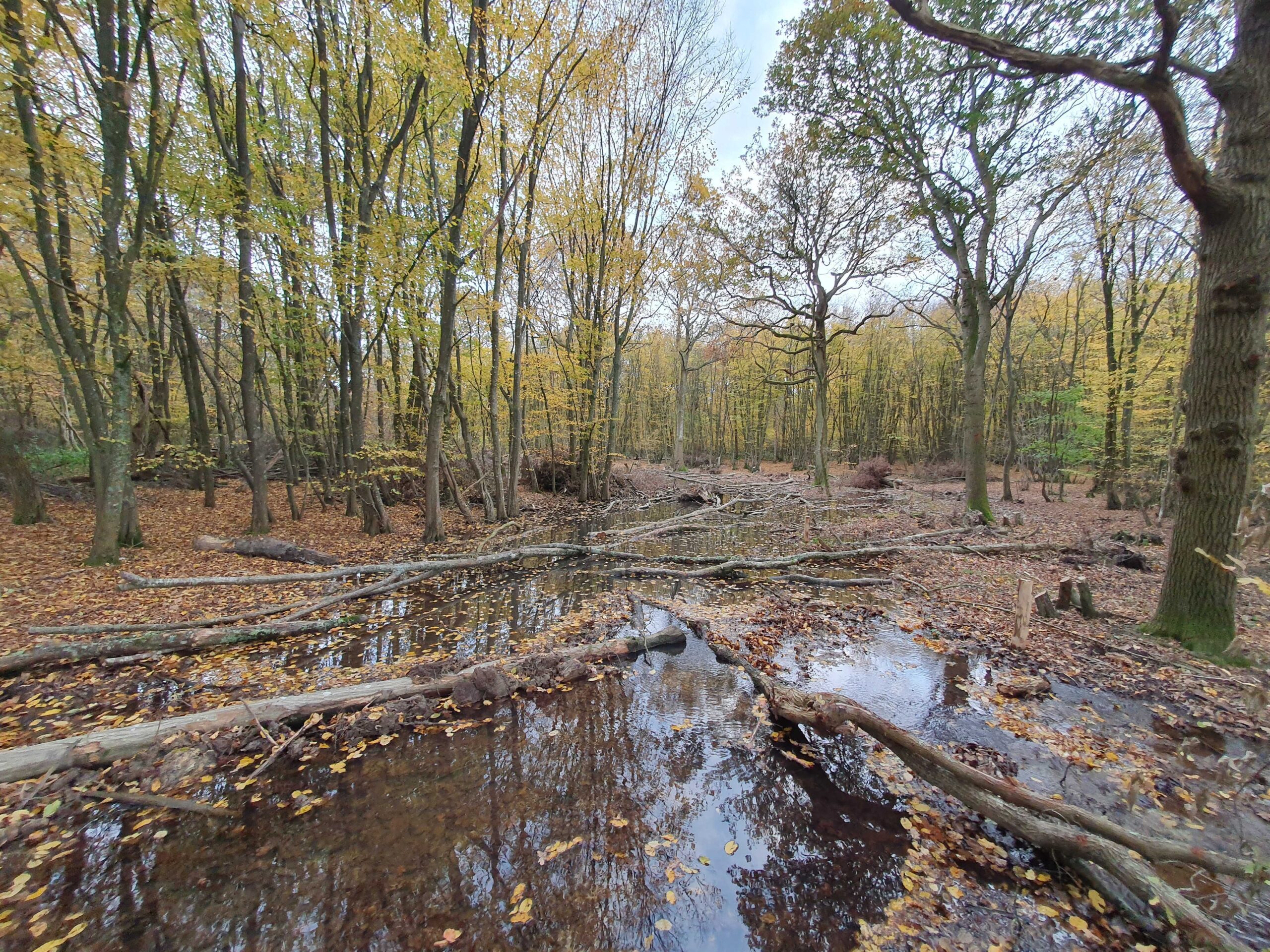
A flooded woodland in the River Beult catchment © South East Rivers Trust
We use a range of proven, evidence-led techniques to restore natural processes, including:
Recreating natural bends helps slow water flow and reconnect rivers with their floodplains.
Allowing rivers to spill into floodplains via a controlled manner during high flows increases natural water storage.
These areas hold water during storms and release it slowly over time.
Adding gravel, woody material and varied habitats supports both biodiversity and natural flow processes.
Urban parks, floodplain meadows and community spaces can all play a role in storing water and supporting nature.
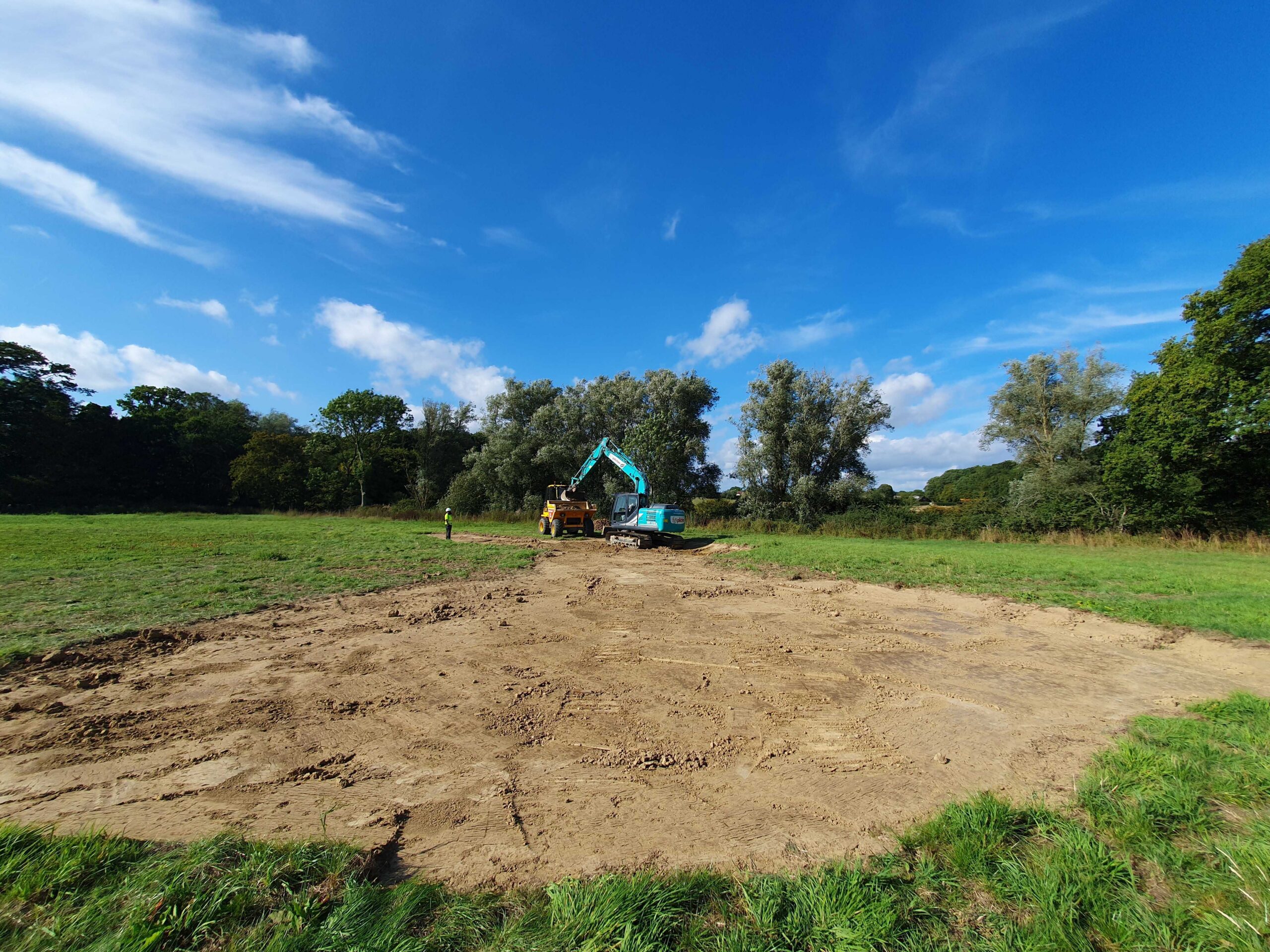
Creating wetlands to hold water © South East Rivers Trust
Research shows that reconnecting rivers with their floodplains can:
While outcomes can vary depending on location and scale, the strongest results come from combining actions across the wider catchment.
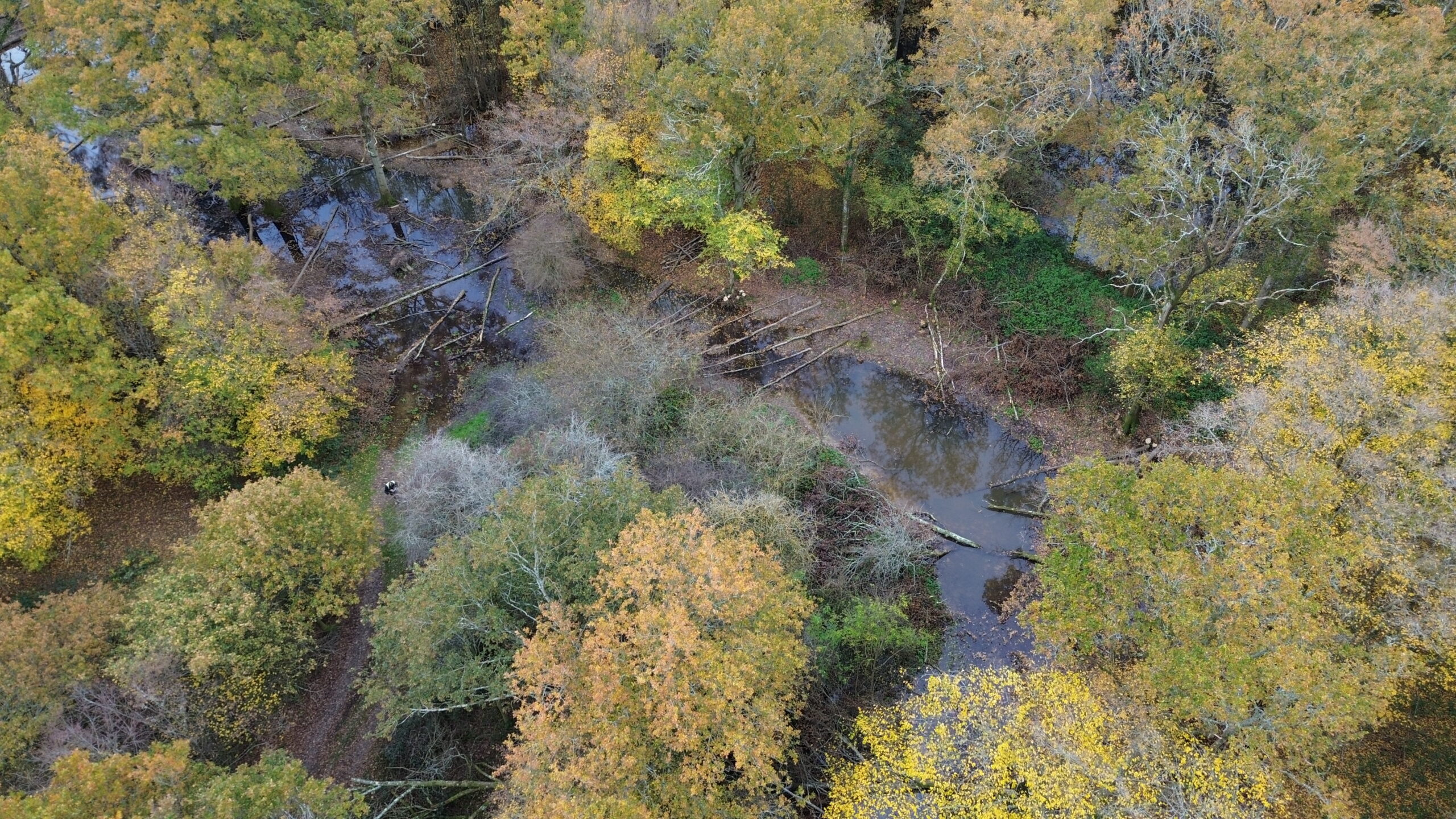
Wet woodlands within the River Beult catchment © South East Rivers Trust
This work relies on collaboration.
We partner with:
Together, we create space for water where it can do the most good — reducing risk, restoring nature, and improving places for people.
Discover how Chamber Mead Wetlands is improving water quality, creating wildlife habitat and protecting the Hogsmill river through nature-based solutions.
We are restoring the River Beult in Kent through nature-based solutions that improve water quality, strengthen flood and drought resilience, and create healthier habitats for wildlife.
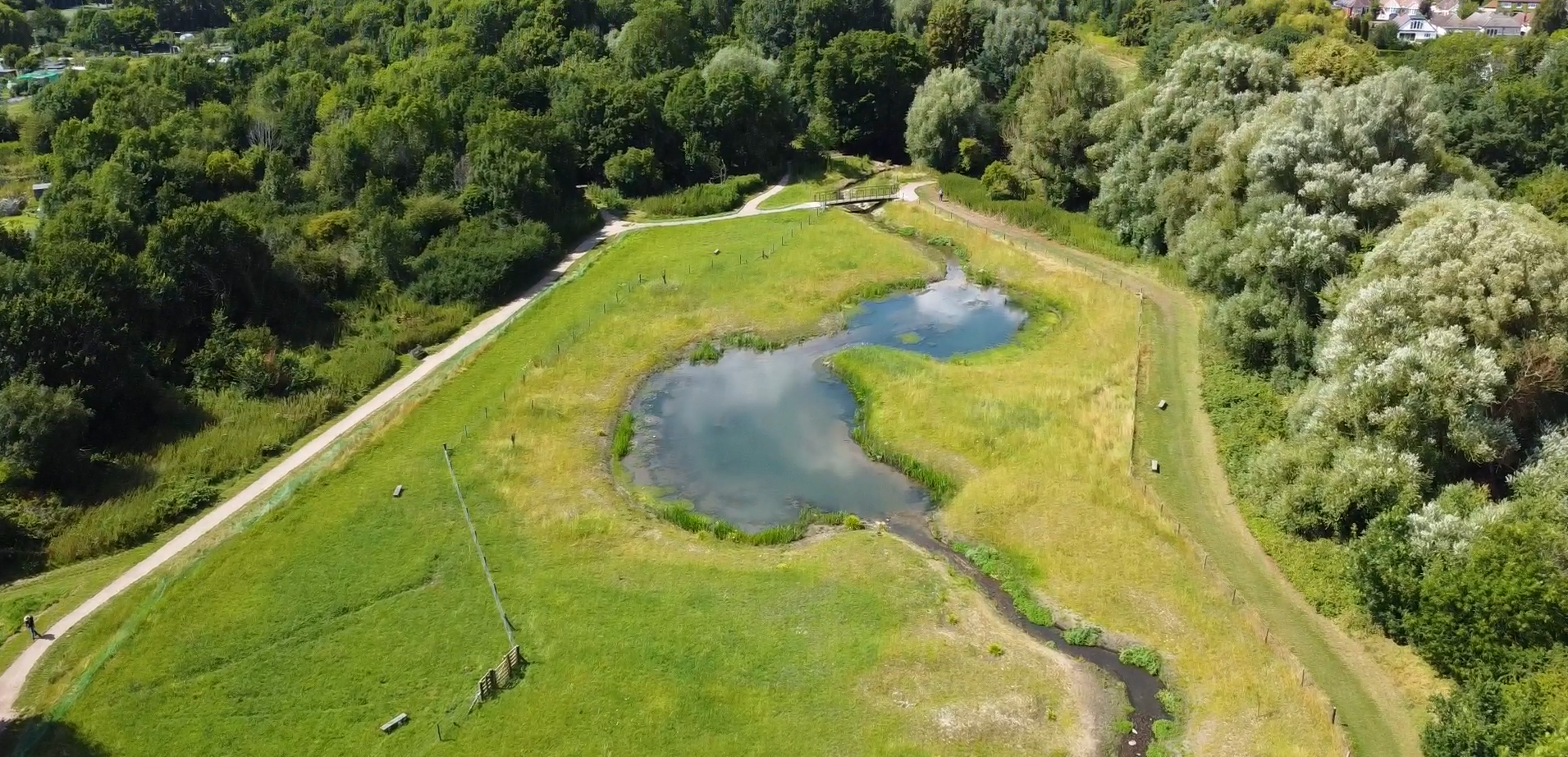
An aerial view of the Chamber Mead wetlands © DEFRA
Reconnecting rivers to floodplains and green spaces is about working with nature, not against it.
By restoring natural processes, we can:
This is how we build rivers that are healthier, more connected, and better able to support both people and nature.
Partner with us to deliver nature-based solutions that reduce flood risk, improve water quality and create lasting benefits for your land, community or project.