River Teise habitat improvement
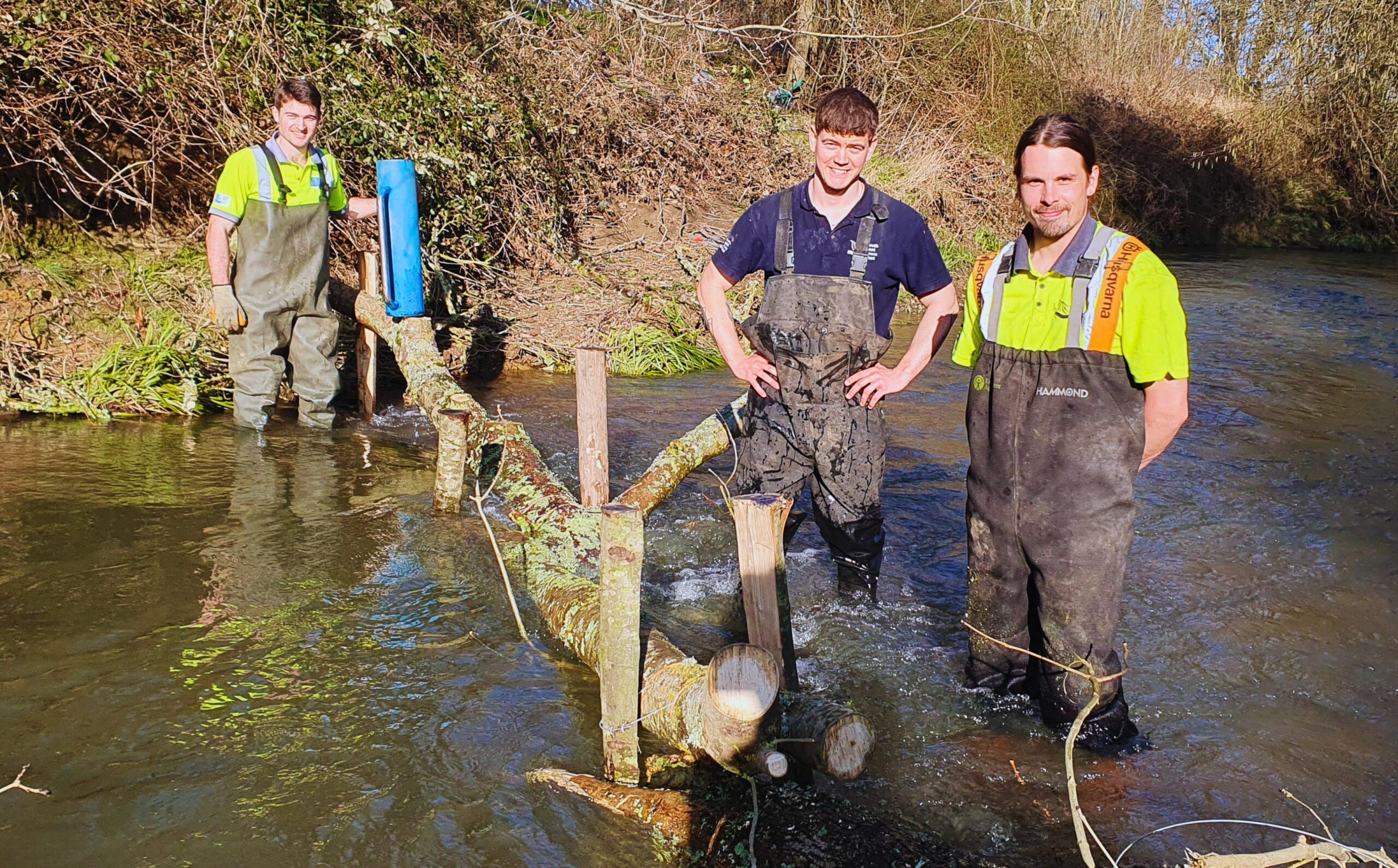
Find out how we’re restoring the River Teise by improving fish passage and enhancing habitats, helping to create a healthier and more resilient river for wildlife and people.
If you’ve spotted pollution or an environmental problem on a waterway, please report it directly to the Environment Agency via GOV.UK or call their 24/7 incident hotline on 0800 80 70 60.
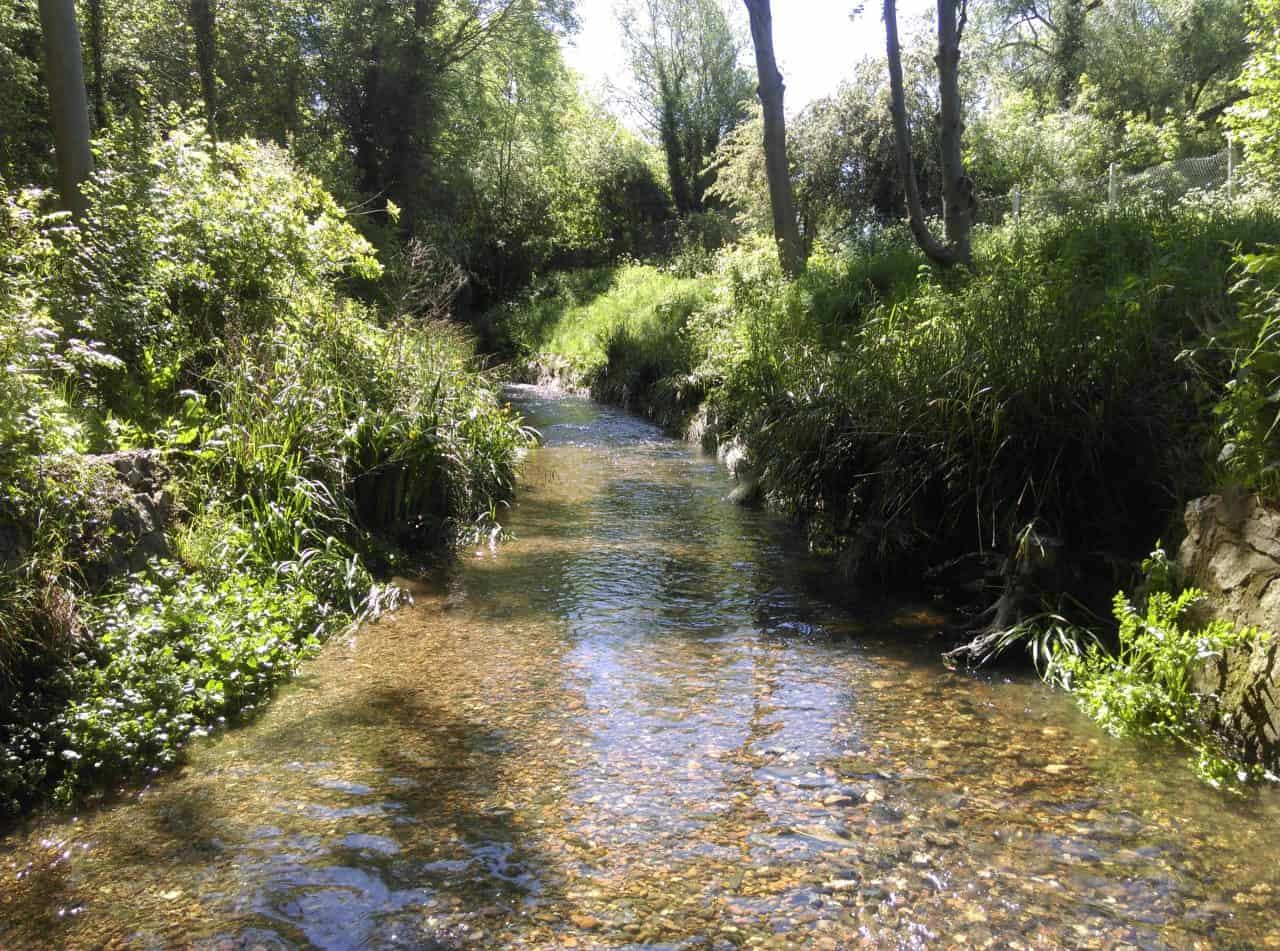
Healthy rivers need to be connected. We remove barriers and restore natural processes so fish and wildlife can move freely, recover from pressures, and thrive across whole river system.
Healthy rivers are connected rivers. When water, wildlife and sediment can move freely, rivers are more resilient, support greater biodiversity, and are better equipped to tackle issues they may face. At the South East Rivers Trust, we work to remove barriers, restore natural processes, and reconnect rivers so fish and wildlife can thrive.
Rivers are living systems. To a certain extent, all species rely on being able to move up and down rivers. They require specific habitats at different life stages, either as juveniles, adults or to spawn. Other species such as salmon, sea trout and eel need to be able to access rivers from the sea to complete their lifecycles. Across the UK, this natural movement is heavily disrupted.
These barriers fragment rivers, turning flowing ecosystems into disconnected, often degraded sections.
Find out how we’re restoring the River Teise by improving fish passage and enhancing habitats, helping to create a healthier and more resilient river for wildlife and people.
Restoring fish passage along the Hogsmill, reconnecting more than 6 km of rare chalk stream habitat for fish and wildlife.
Structures such as weirs, dams and culverts were often built for historic uses like milling, water supply or navigation. Many are now obsolete, but their impact remains.
They can:
Even small barriers can have a big impact—causing delays, increasing energy use, and reducing survival rates for fish.
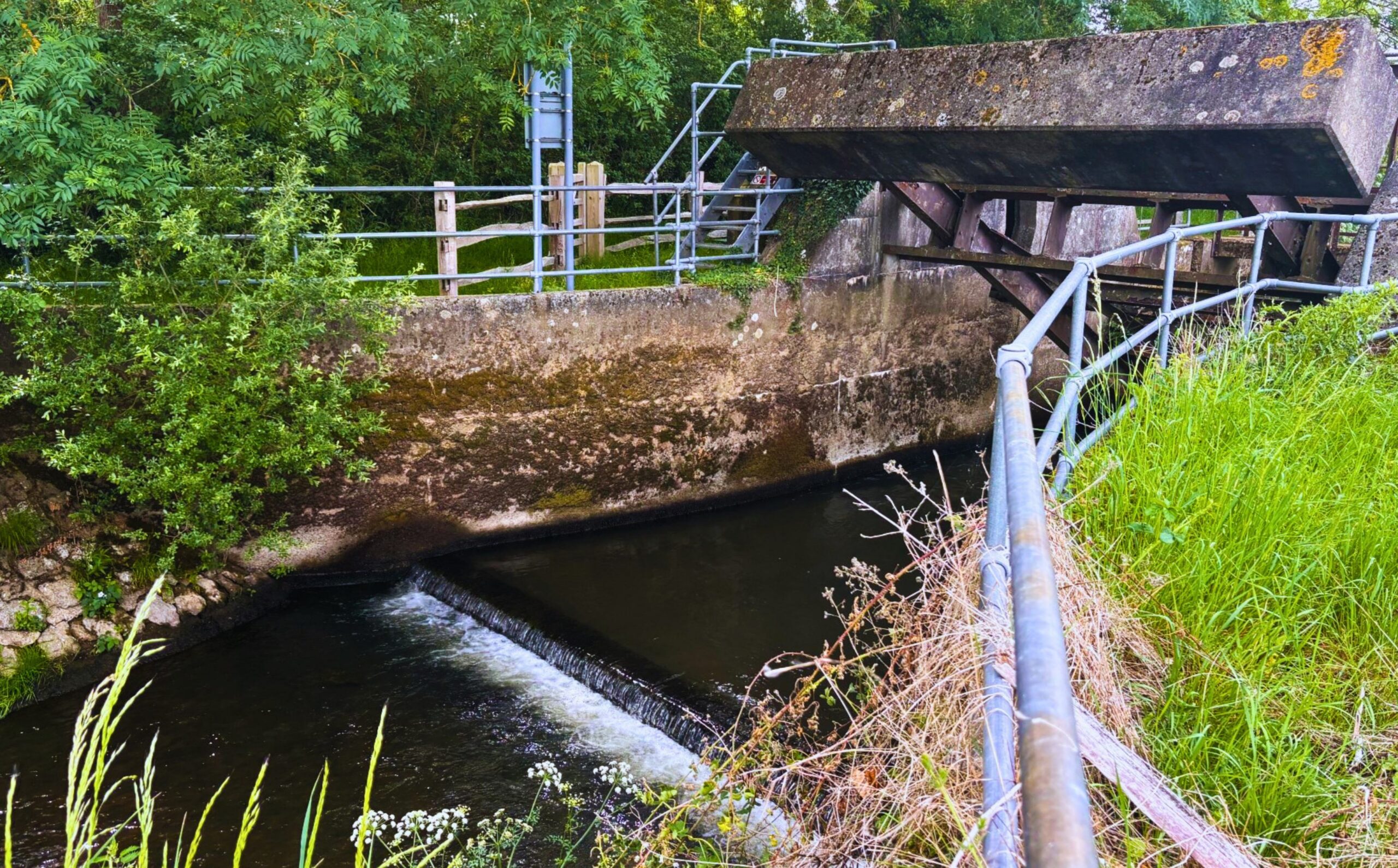
A weir on the Lower Teise river © South East Rivers Trust
We take an evidence-led approach to restoring access for fish and wildlife, working across catchments to reconnect rivers.
Where structures are no longer needed, removing them is always the most effective and preferred solution. This restores natural river flow, improves habitats, and reconnects ecosystems.
Barrier removal has been shown to:
Where removal isn’t possible, we design and install solutions such as:
These help fish move upstream and downstream safely.
Ideally, we aim to take a catchment scale approach to improving access, although in reality, with the pure number of weirs within each catchment and the complexities that often surround them, this is often an aspiration to strive towards.
We prioritise actions where they will have the greatest impact, working with partners, landowners and communities to:
The removal of any barrier is a win. So, we also take an opportunistic approach as the situations lend themselves. This means taking a long-term view to opening the river system.
Your donation can help remove barriers, restore natural river connections and create healthier habitats where fish and wildlife can move, feed and thrive.