Restoring the River Wandle at Culvers Avenue
Discover how we’re restoring the River Wandle at Culvers Avenue by improving habitats, increasing biodiversity and supporting a healthier river ecosystem.
If you’ve spotted pollution or an environmental problem on a waterway, please report it directly to the Environment Agency via GOV.UK or call their 24/7 incident hotline on 0800 80 70 60.
We work with natural processes to restore rivers, reconnect habitats and improve water quality. By helping rivers recover, we can support wildlife and benefit communities for the long term.
Healthy rivers support wildlife, people and places. But many rivers have been altered over time – straightened, disconnected from their floodplains, or confined by hard engineering. This has reduced habitat quality, increased flood risk and limited the natural benefits rivers provide.
We work to enhance rivers by restoring natural processes, improving habitats and reconnecting rivers with the landscapes around them.
Enhancing rivers means working with nature to help rivers function more naturally again.
This can include:
These approaches help rivers regain the physical processes they need to sustain healthy ecosystems over the long term.
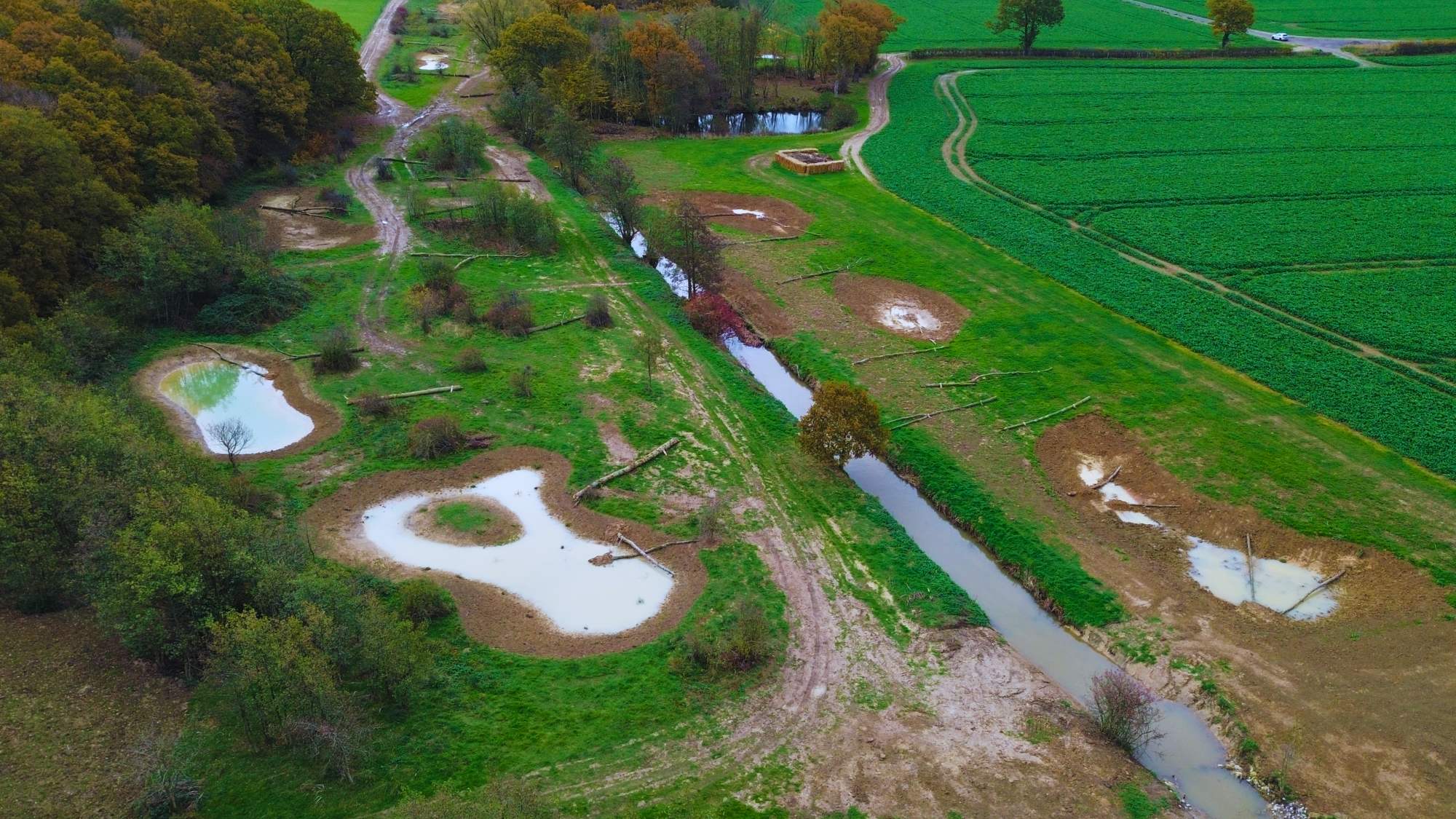
An aerial shot of scrapes at the River Beult Water Resilience project in Kent © South East Rivers Trust
When rivers are working well, they deliver a wide range of benefits:
Enhancing rivers creates diverse habitats for fish, birds, insects and plants, helping biodiversity recover.
Natural river processes filter pollutants, trap sediment and improve overall water quality.
Reconnecting rivers to floodplains and wetlands helps store water and slow flows during heavy rainfall.
Healthy rivers and wetlands can store carbon, manage drought and adapt to more extreme weather.
Enhanced rivers create better places for communities to connect with nature, improving wellbeing and local environments.
We take a catchment-based approach, working across whole landscapes to deliver long-term improvements.
Our work includes:
By addressing the root causes of river degradation, we help ensure lasting change.
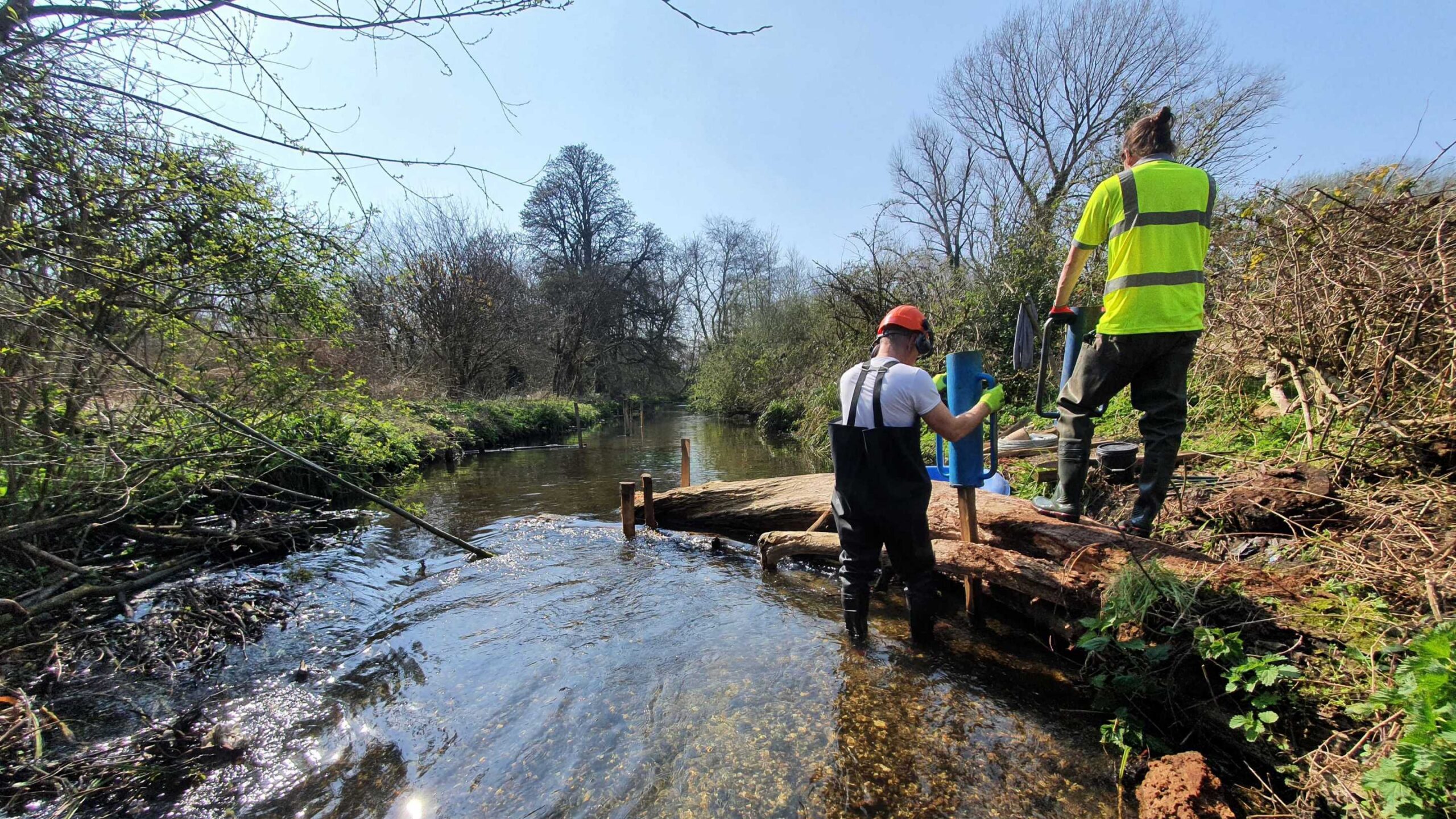
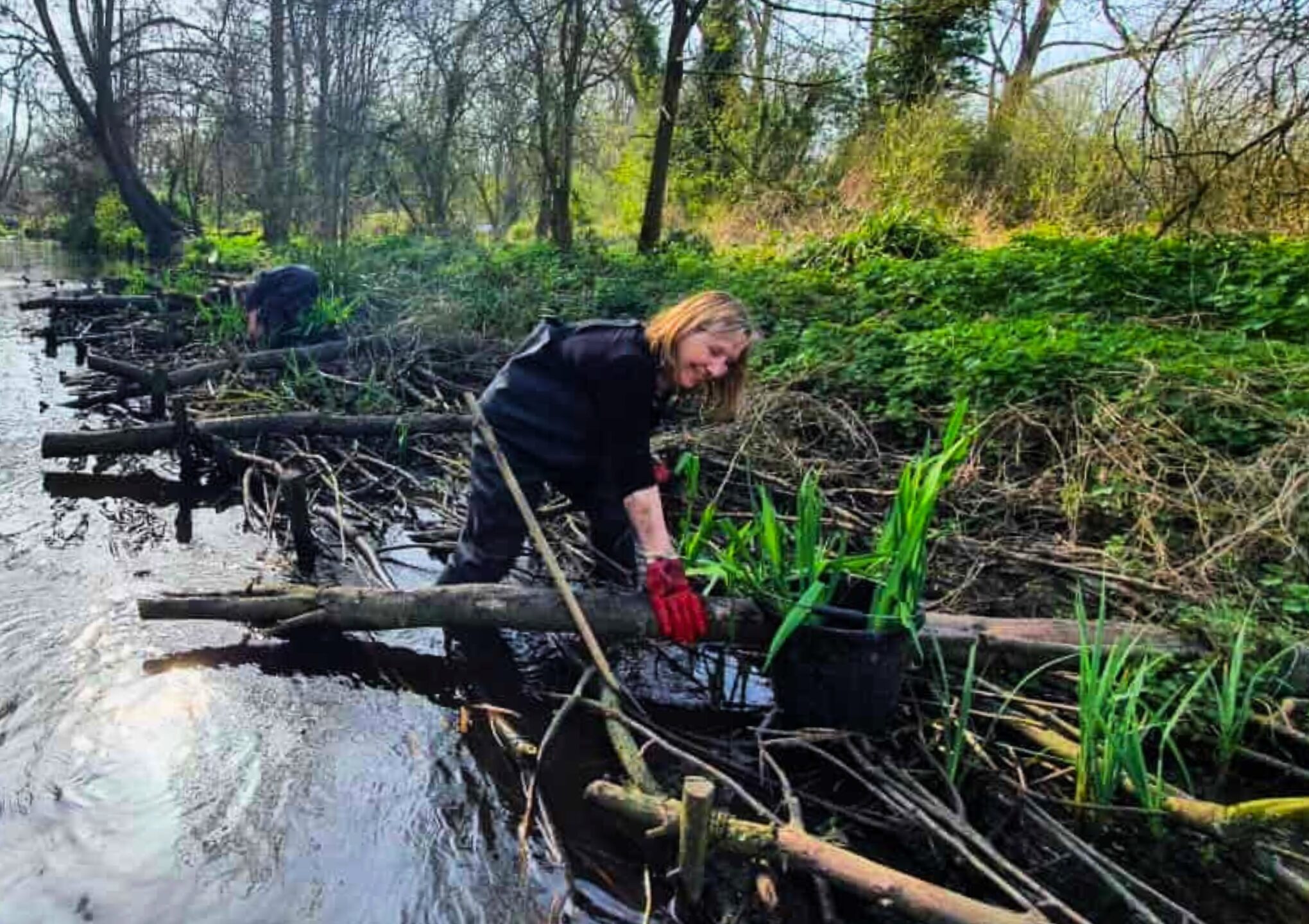
In channel tree works at Morden Hall Park on the River Wandle © South East Rivers Trust
Discover how we’re restoring the River Wandle at Culvers Avenue by improving habitats, increasing biodiversity and supporting a healthier river ecosystem.
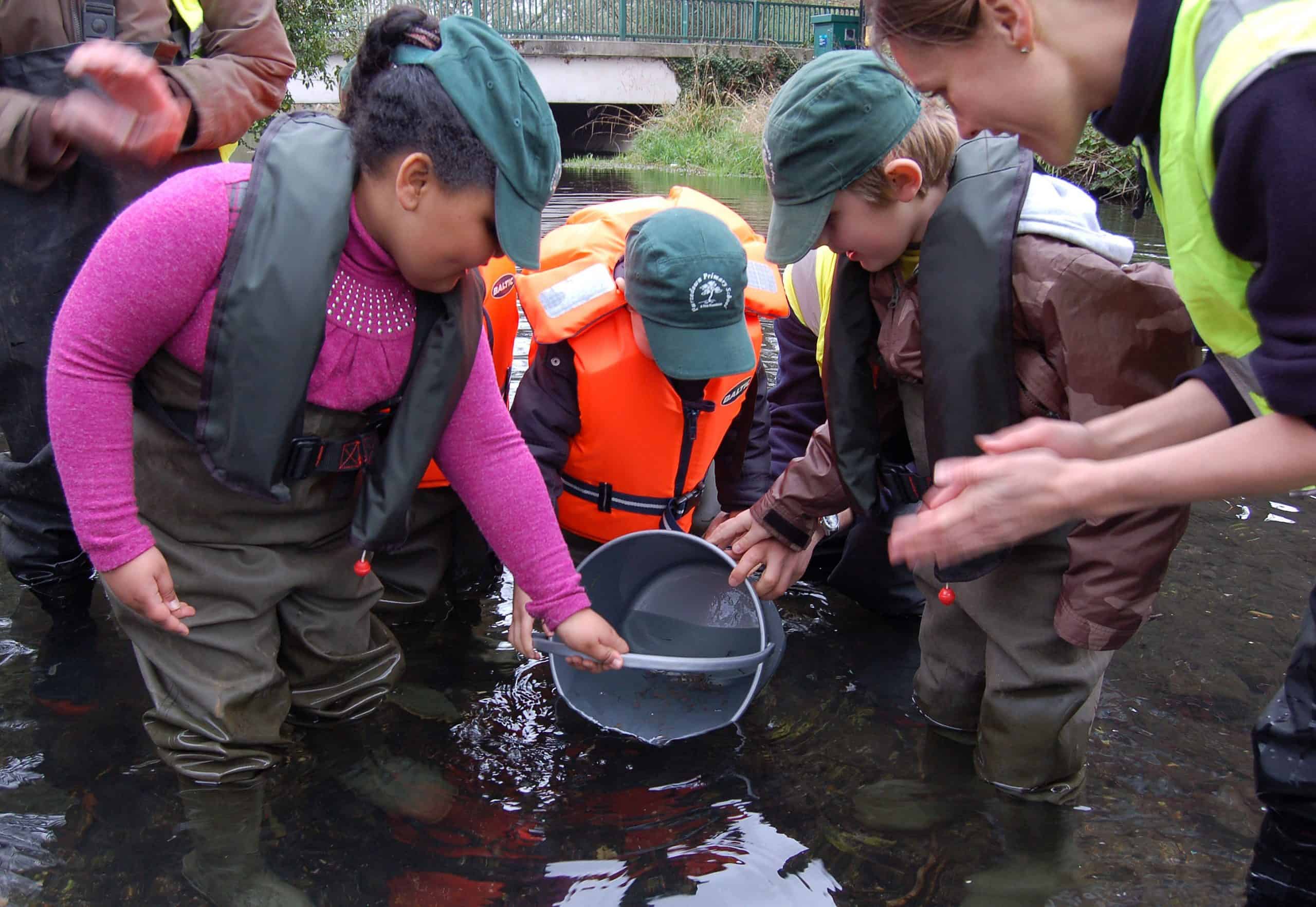
Discover how the South East Rivers Trust restored the Upper Wandle, a rare chalk stream in South London.
Enhancing rivers is about more than fixing individual sections – it’s about restoring natural systems at scale.
By working with natural processes, we can:
This approach delivers long-term benefits for both nature and communities.
Explore how we’re enhancing rivers across the South East, from reconnecting floodplains to creating thriving habitats for wildlife and communities.