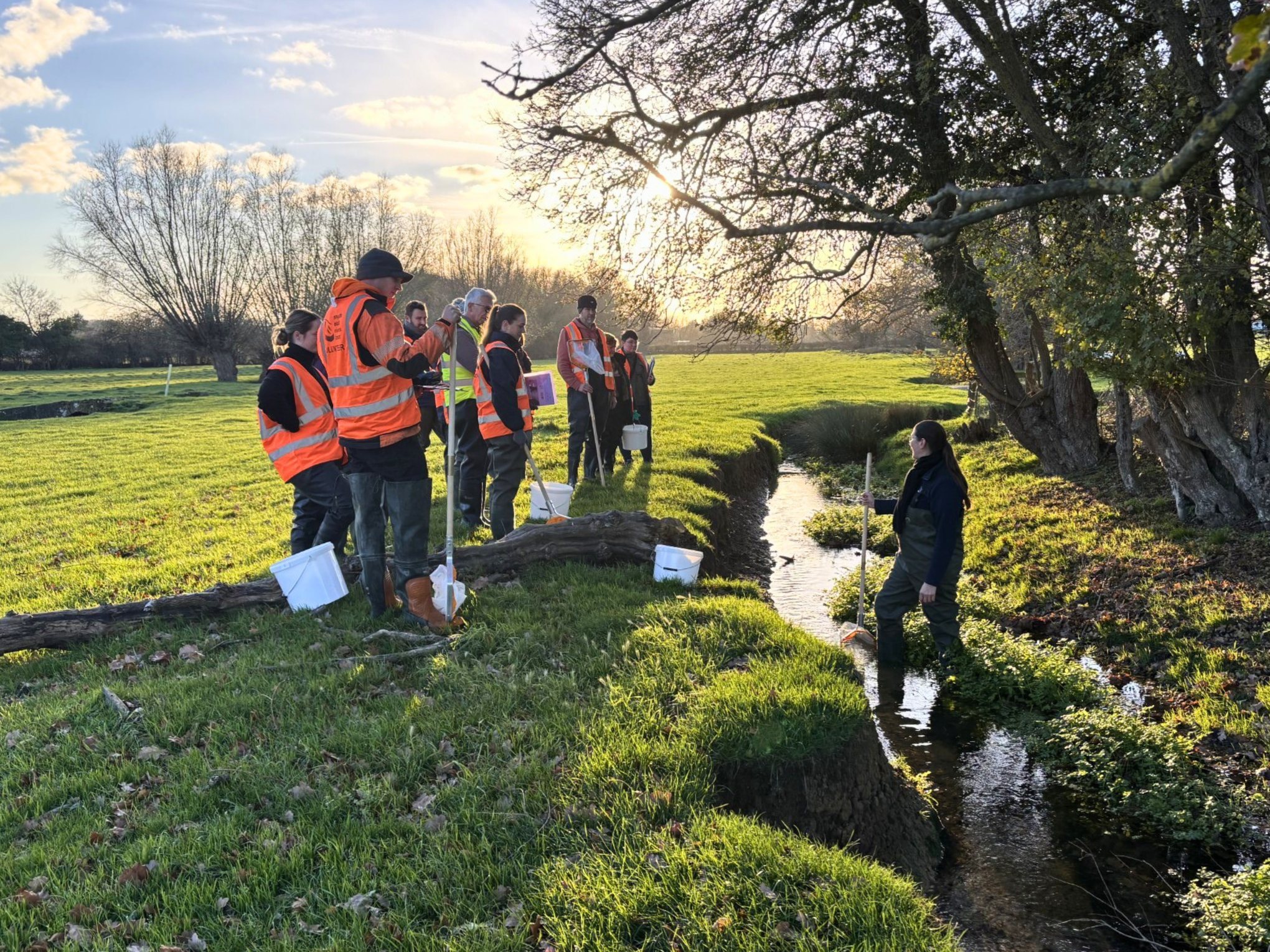
Overview
Healthy rivers support wildlife, communities, and resilient landscapes. But many rivers face increasing pressure from pollution, habitat loss, climate change, and water scarcity.
Improving river health requires action across the entire landscape. That’s why we use a catchment-based approach — bringing together partners, communities, and experts to restore rivers at a system-wide scale.
The South East Rivers Trust hosts or co-hosts 12 catchment partnerships across London and the South East, working collaboratively to protect and restore rivers for people and nature.
What is a catchment — and why does it matter?
A catchment is the area of land where rainfall drains into a river and its tributaries. Everything that happens within this landscape affects the river — from land management and urban development to pollution and water use.
This means rivers cannot be improved in isolation. A joined-up, catchment-wide approach ensures that actions upstream support healthy ecosystems, cleaner water, and more resilient communities downstream.
Beggars Barn Farm within the Eden Farmer Cluster © South East Rivers Trust
What is the Catchment Based Approach (CaBA)?
The Catchment Based Approach (CaBA) is a nationally recognised framework for managing rivers at a catchment scale. It brings together organisations and communities to identify challenges, share knowledge, and deliver solutions collaboratively.
Through catchment partnerships, we:
- Identify the key pressures affecting rivers
- Use scientific evidence and local knowledge to guide decisions
- Develop shared catchment plans and priorities
- Deliver restoration projects and nature-based solutions
- Support long-term improvements to river health
Who is involved?
Catchment partnerships bring together a wide range of organisations and stakeholders, including:
- Environmental charities and conservation groups
- Local authorities and regulators
- Water companies
- Landowners and farmers
- Community groups and volunteers
- Businesses and infrastructure organisations
Each partner contributes valuable expertise, helping create effective, sustainable solutions that benefit rivers and communities.
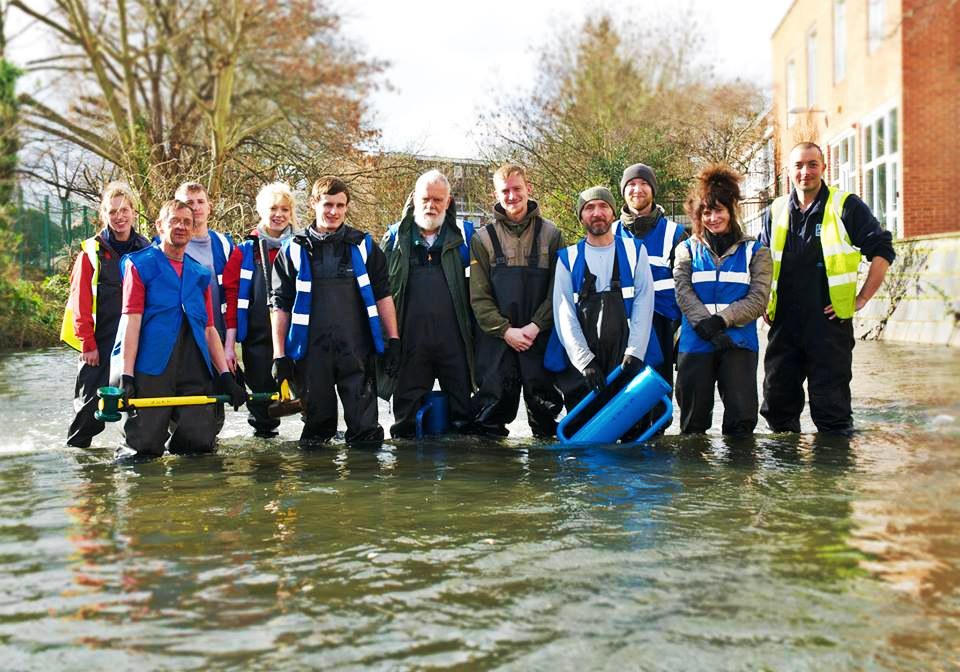
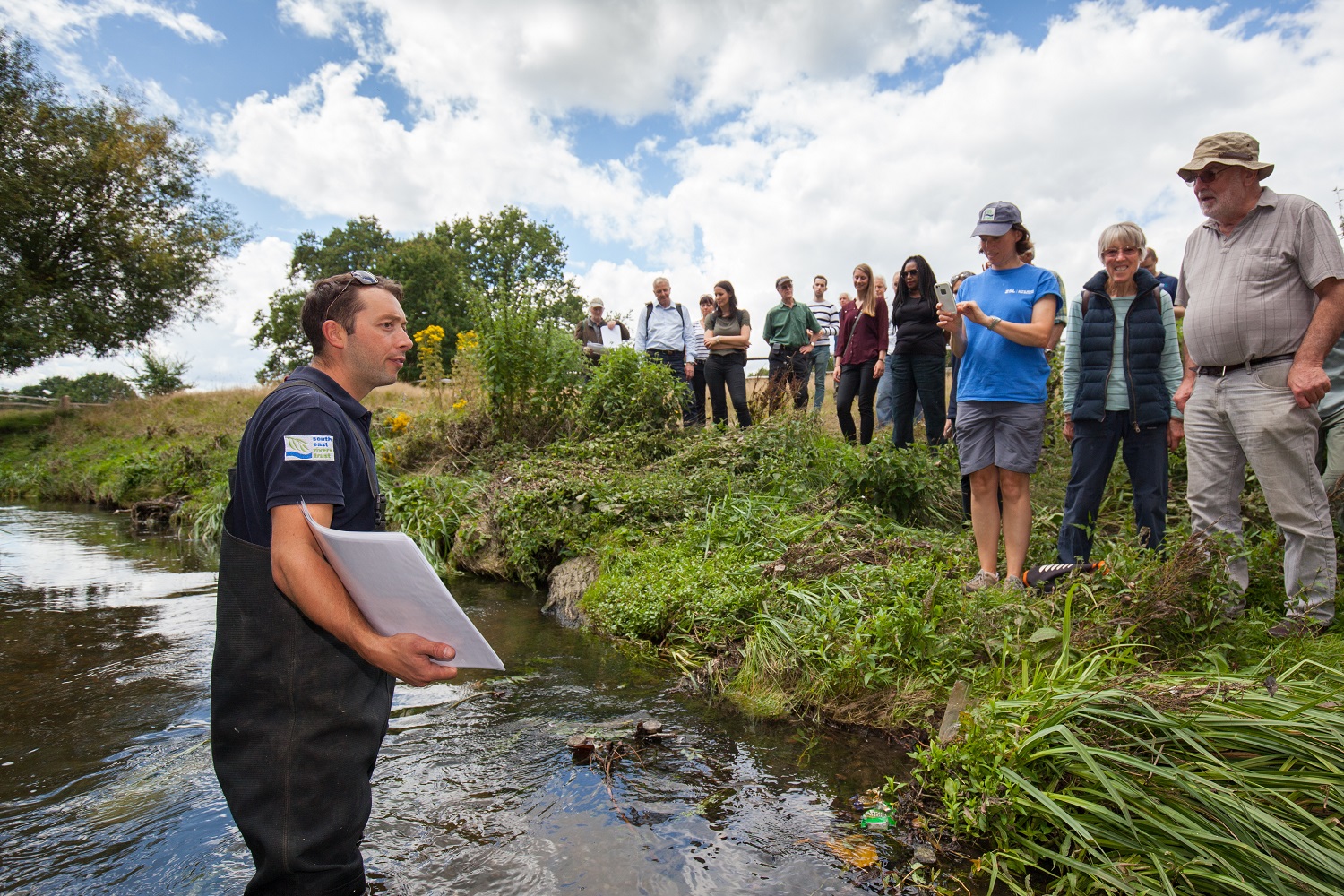
Volunteers at a River Wandle restoration event © South East Rivers Trust
What do catchment partnerships deliver?
Working collaboratively at a catchment scale allows us to deliver impactful, evidence-based solutions, including:
- River habitat restoration
- Natural Flood Management (NFM)
- Wetland creation and floodplain reconnection
- Sustainable Drainage Systems (SuDS)
- Fish passage improvements
- Pollution prevention and water quality improvements
- Biodiversity enhancement and climate resilience projects
These projects improve river health while also delivering wider benefits such as reduced flood risk, increased biodiversity, and enhanced green spaces for communities.
Catchments we host
Catchments we co-host with partners
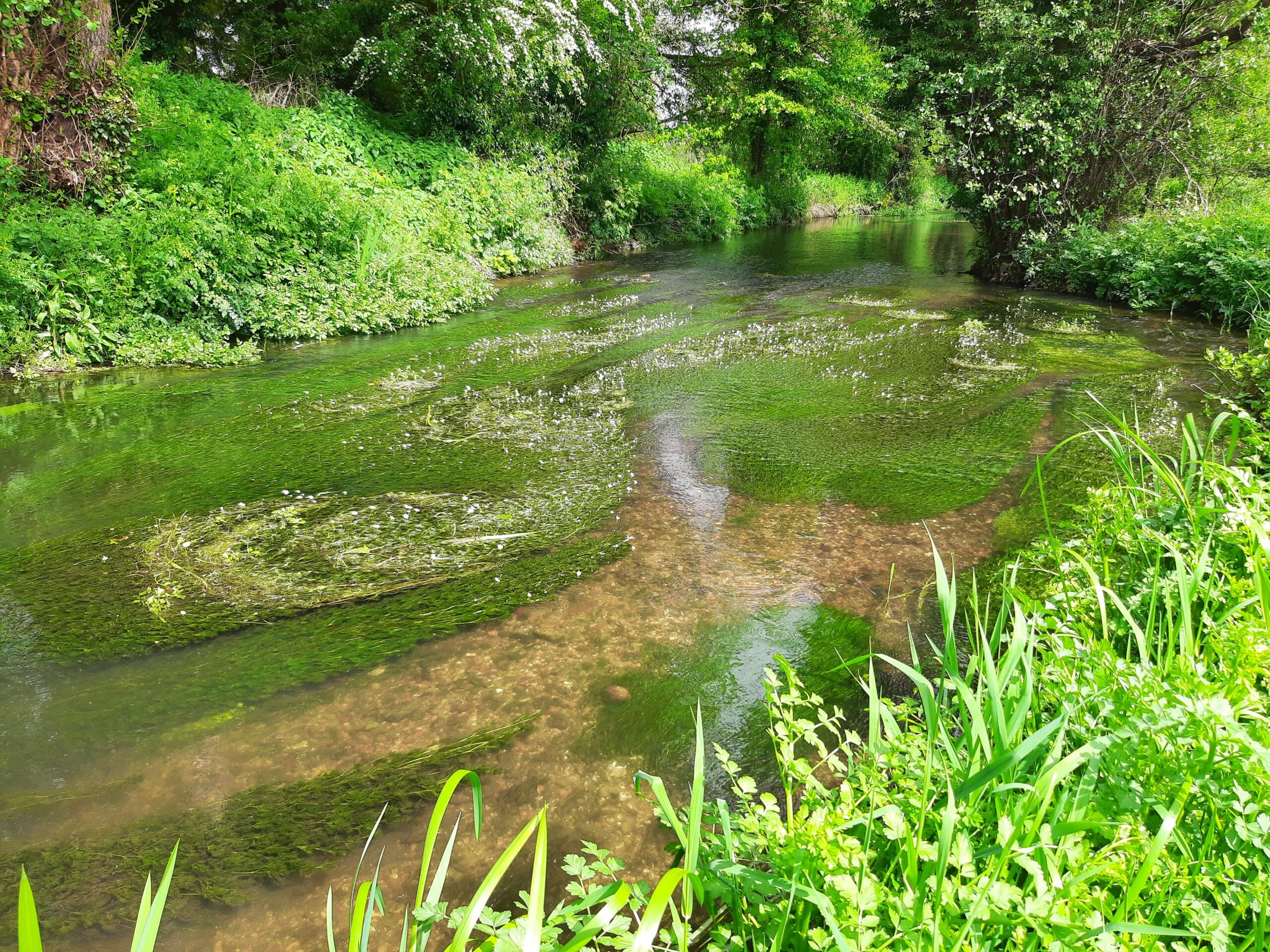
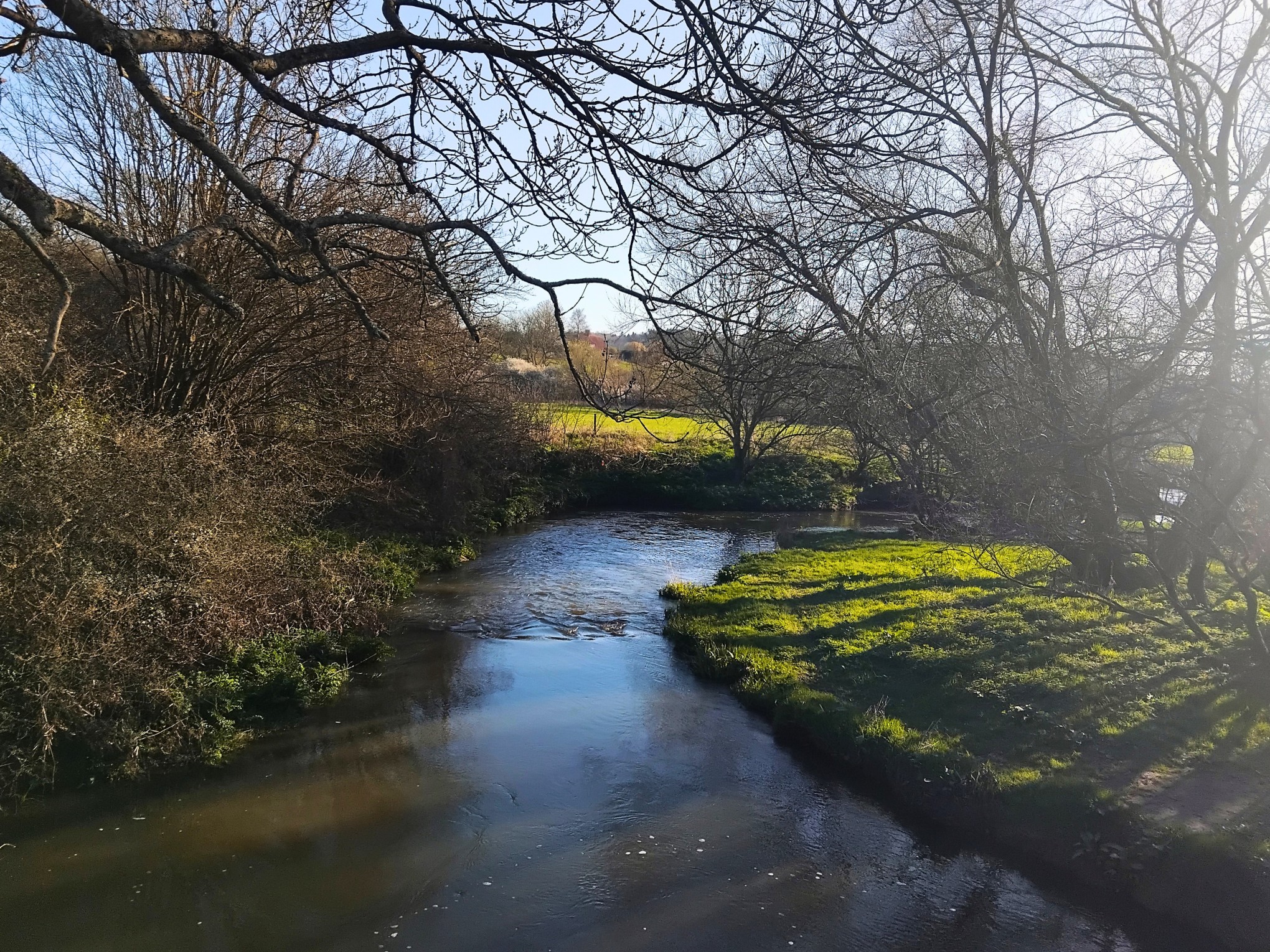
A section of the Darent & Cray between Shoreham and Eynsford © South East Rivers Trust
Why partnership working is essential
Rivers connect landscapes, wildlife, and people. Improving them requires collaboration across sectors, organisations, and communities.
By working together at a catchment scale, we can:
- Deliver more effective and lasting improvements
- Address the root causes of river degradation
- Share expertise and resources
- Support resilient ecosystems and communities
- Create healthier rivers for future generations
Discover your catchment
Explore your local catchment to discover restoration projects, events, volunteering opportunities and the people working to help rivers thrive again.