Uplifting the Upper Cray
Find out how we restored the Upper River Cray in London to improve water quality, reconnect habitats and support wildlife through nature-based solutions.
If you’ve spotted pollution or an environmental problem on a waterway, please report it directly to the Environment Agency via GOV.UK or call their 24/7 incident hotline on 0800 80 70 60.
We tackle pollution at its source to improve water quality and help rivers recover across the South East.
Clean water is essential for thriving wildlife, resilient communities and a healthy environment. Yet many rivers across the South East are under pressure from pollution — from sewage and urban runoff to agricultural and road drainage.
We work across entire catchments to reduce pollution at its source, improve water quality, and support rivers to recover naturally.
Water quality affects everything in a river — from tiny invertebrates to fish, birds and people.
Pollution can:
According to the Environment Agency, a significant proportion of rivers in England fail to meet “good ecological status”, with pollution being one of the main causes.
Improving water quality is essential for restoring biodiversity, strengthening climate resilience and reconnecting people with their rivers.
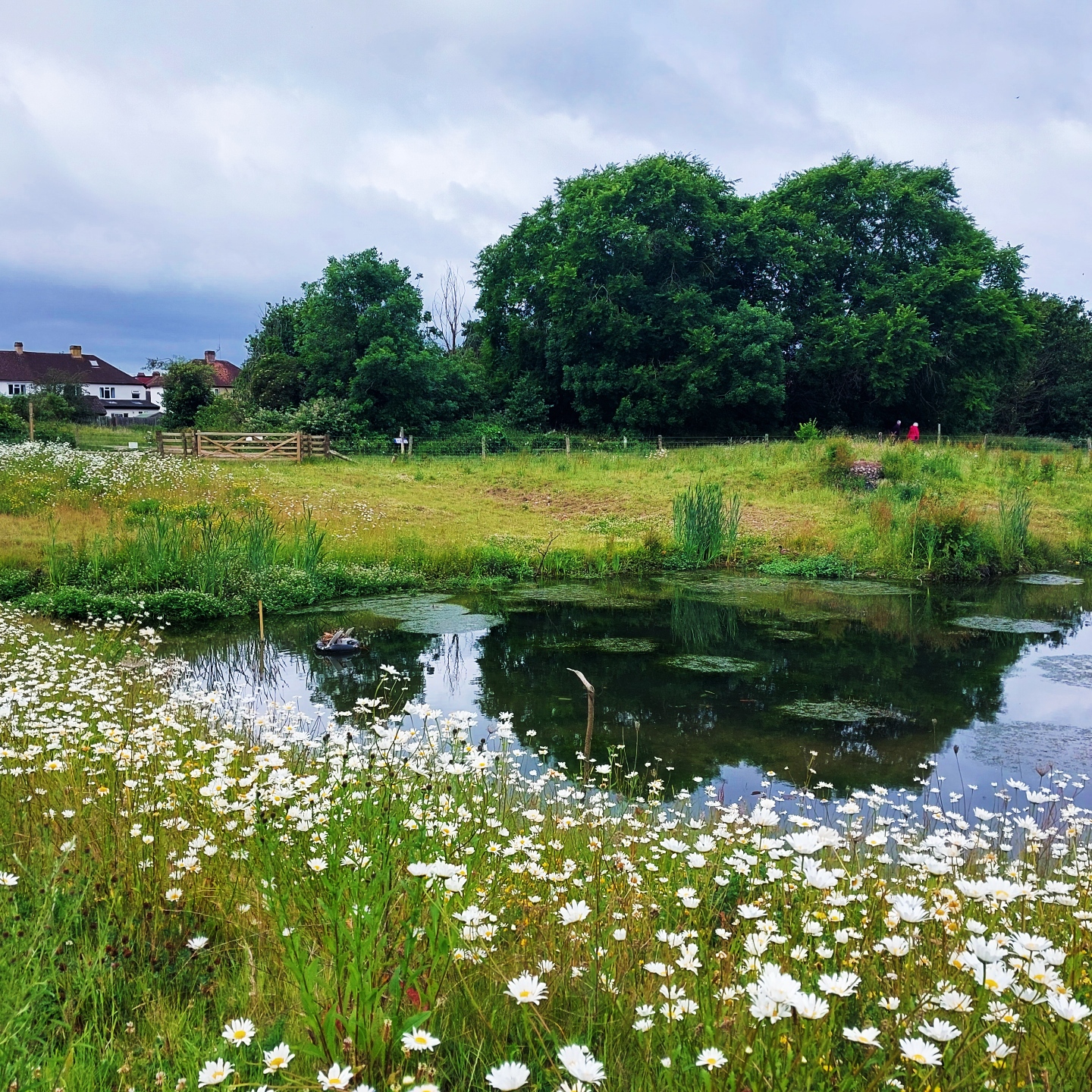
Chamber Mead wetlands © South East Rivers Trust
We focus on preventing pollution before it reaches rivers — working with partners, landowners and communities to deliver practical, evidence-led solutions.
We work closely with farmers to reduce runoff from fields and improve soil health. This includes:
These approaches reduce sediment, nutrients and pesticides entering waterways while supporting productive, sustainable farming.
Working with natural processes is one of the most effective ways to improve water quality.
We design and deliver solutions such as:
Evidence from organisations such as The Rivers Trust and the UK Centre for Ecology & Hydrology shows that these approaches can significantly improve water quality while boosting biodiversity.
Pollution doesn’t only come from rural areas. Roads, drains and hard surfaces in towns and cities can wash contaminants directly into rivers.
We work with local authorities and partners to:
These measures help create cleaner, greener urban spaces while protecting rivers.
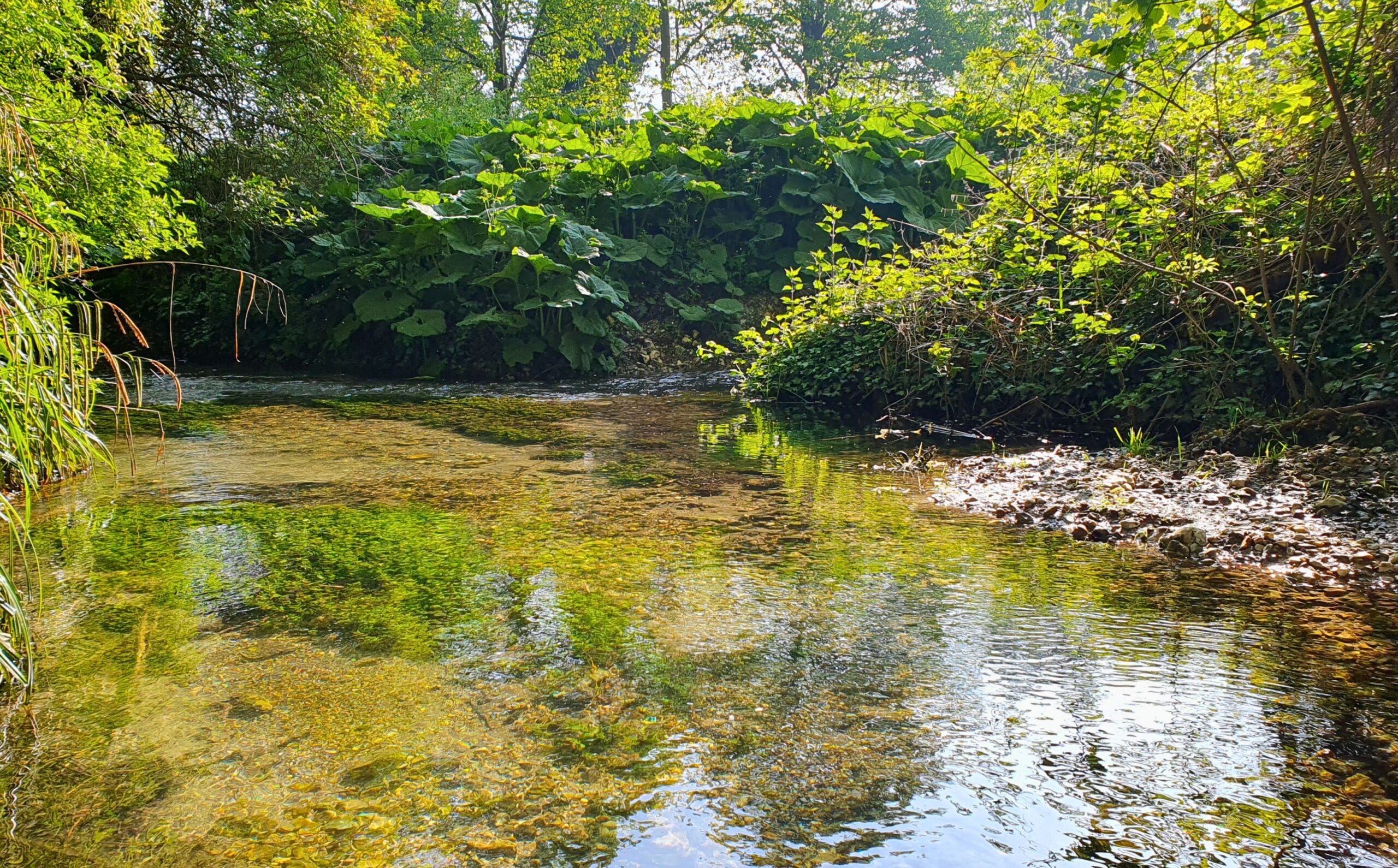
Find out how we restored the Upper River Cray in London to improve water quality, reconnect habitats and support wildlife through nature-based solutions.
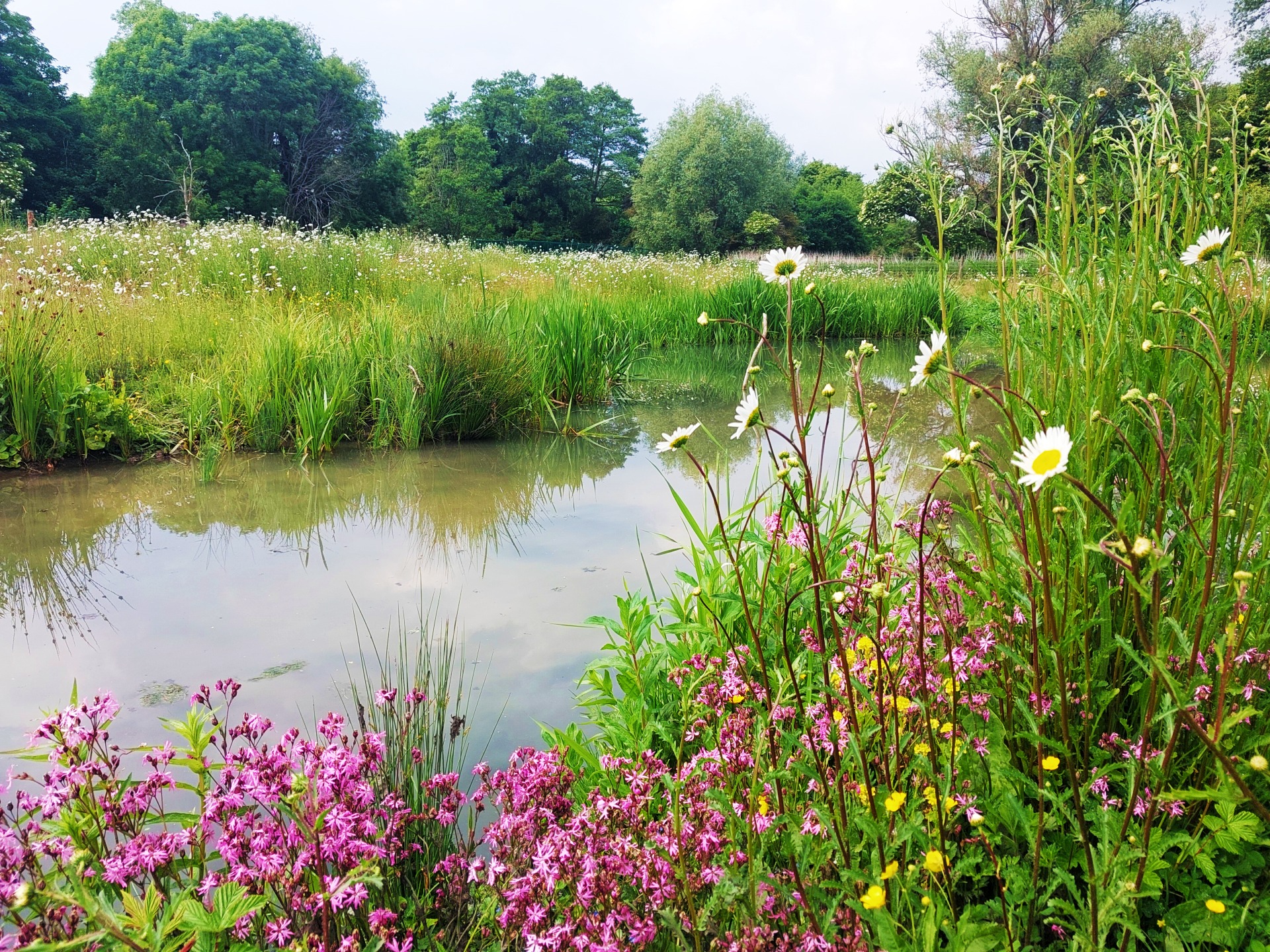
Discover how Chamber Mead Wetlands is improving water quality, creating wildlife habitat and protecting the Hogsmill river through nature-based solutions.
All our work is guided by robust evidence.
We:
This ensures we deliver measurable improvements and long-term benefits for rivers and communities.
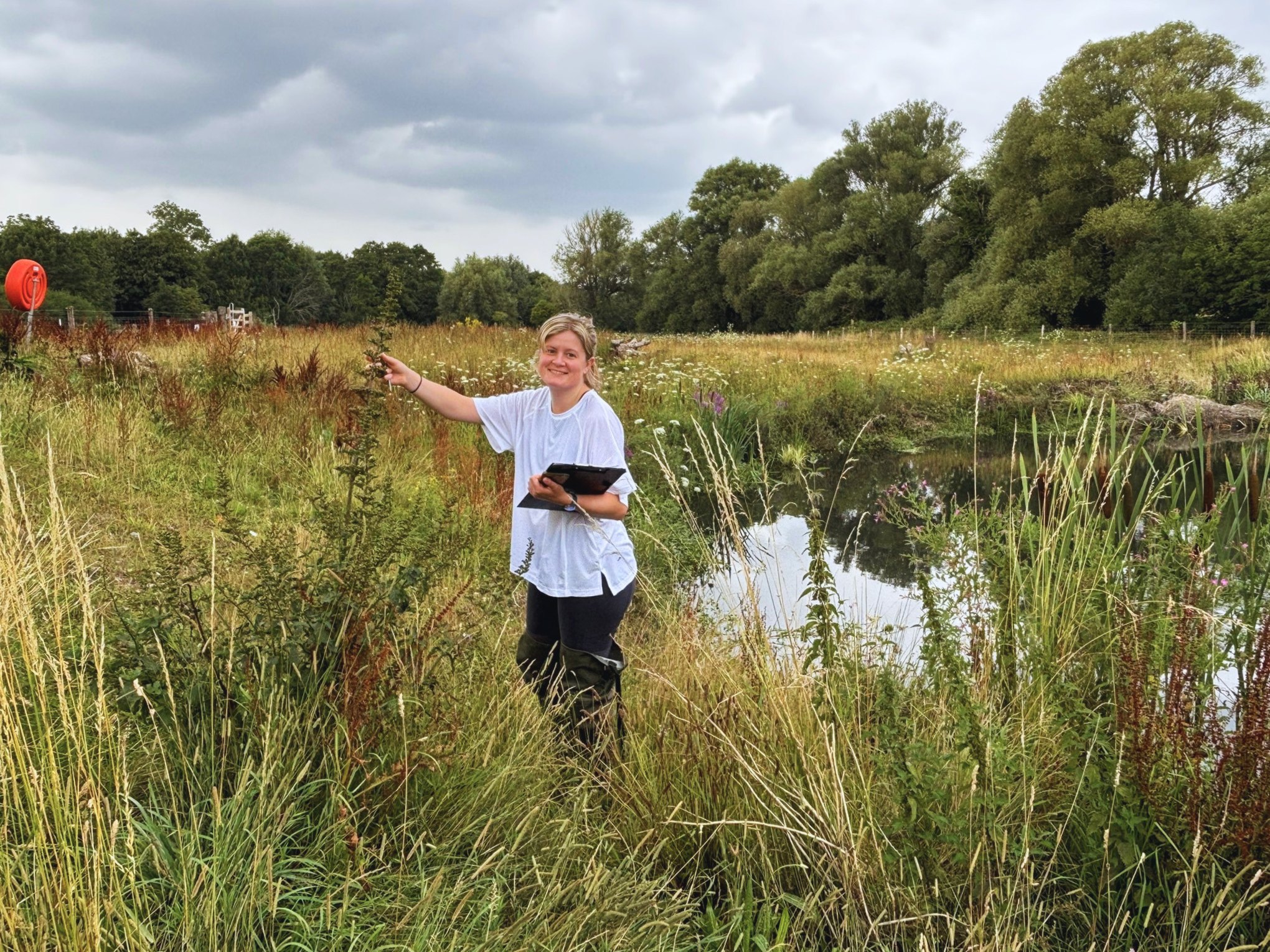
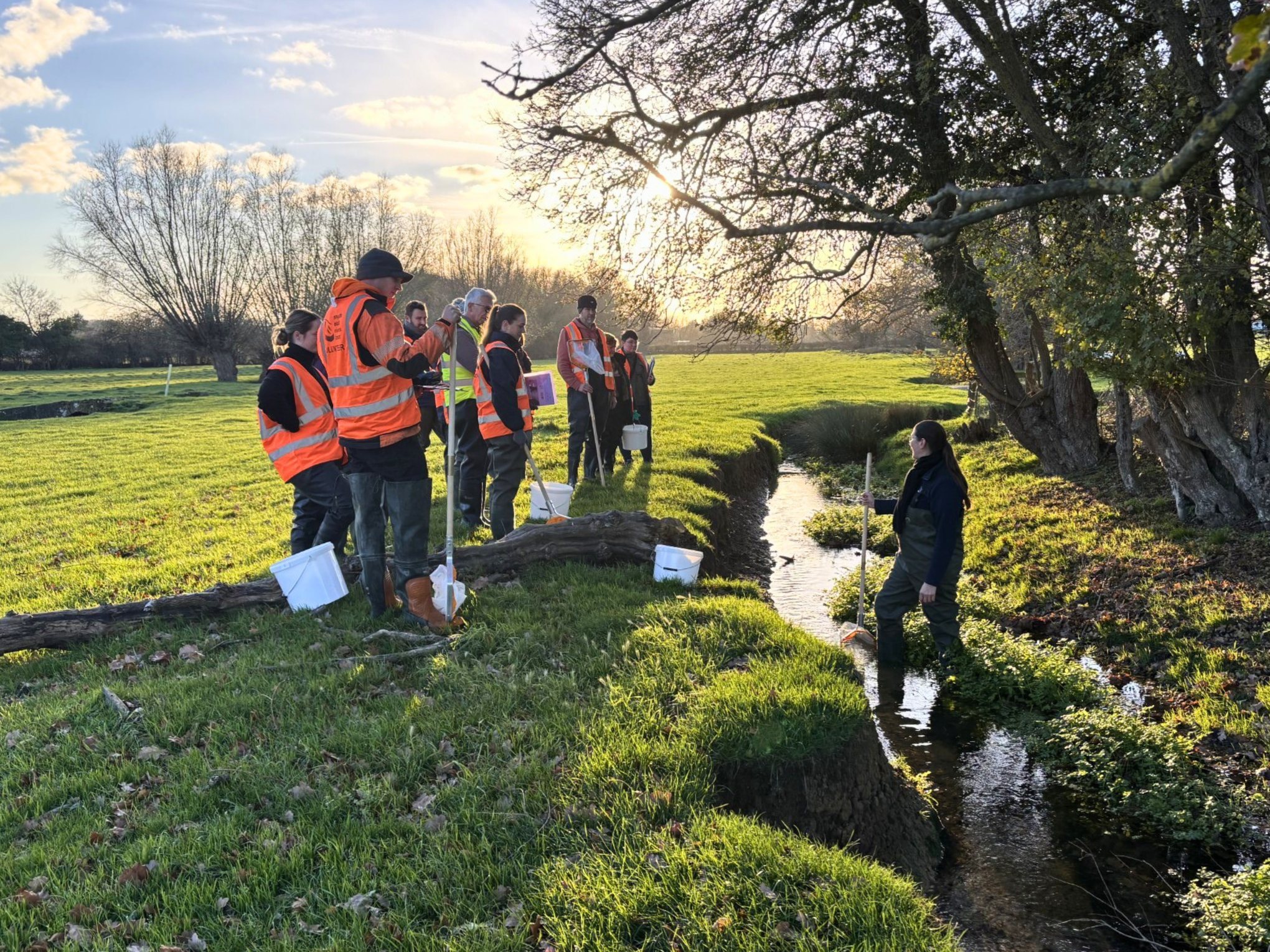
A SERT team member carrying out a survey at Chamber Mead wetlands © South East Rivers Trust
Improving water quality requires collaboration. We bring together partners including:
By working at a catchment scale, we can address pollution in a coordinated, effective way.
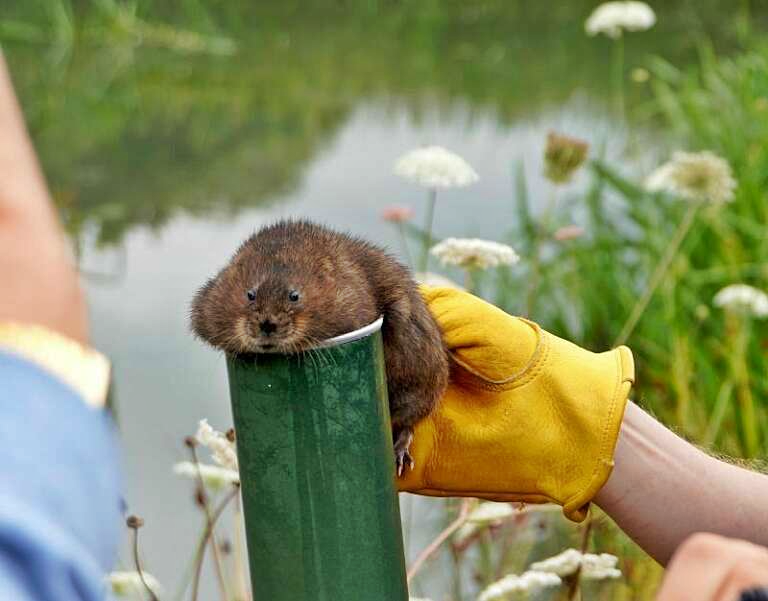
A water vole about to be released on the Hogsmill river © South East Rivers Trust
Reducing pollution is one of the most important steps we can take to restore rivers.
By improving water quality, we can:
Together, we can create rivers that are clean, thriving and valued by everyone.
Discover how you can get involved, from citizen science to volunteering, you can be part of the solution.