Project Kingfisher
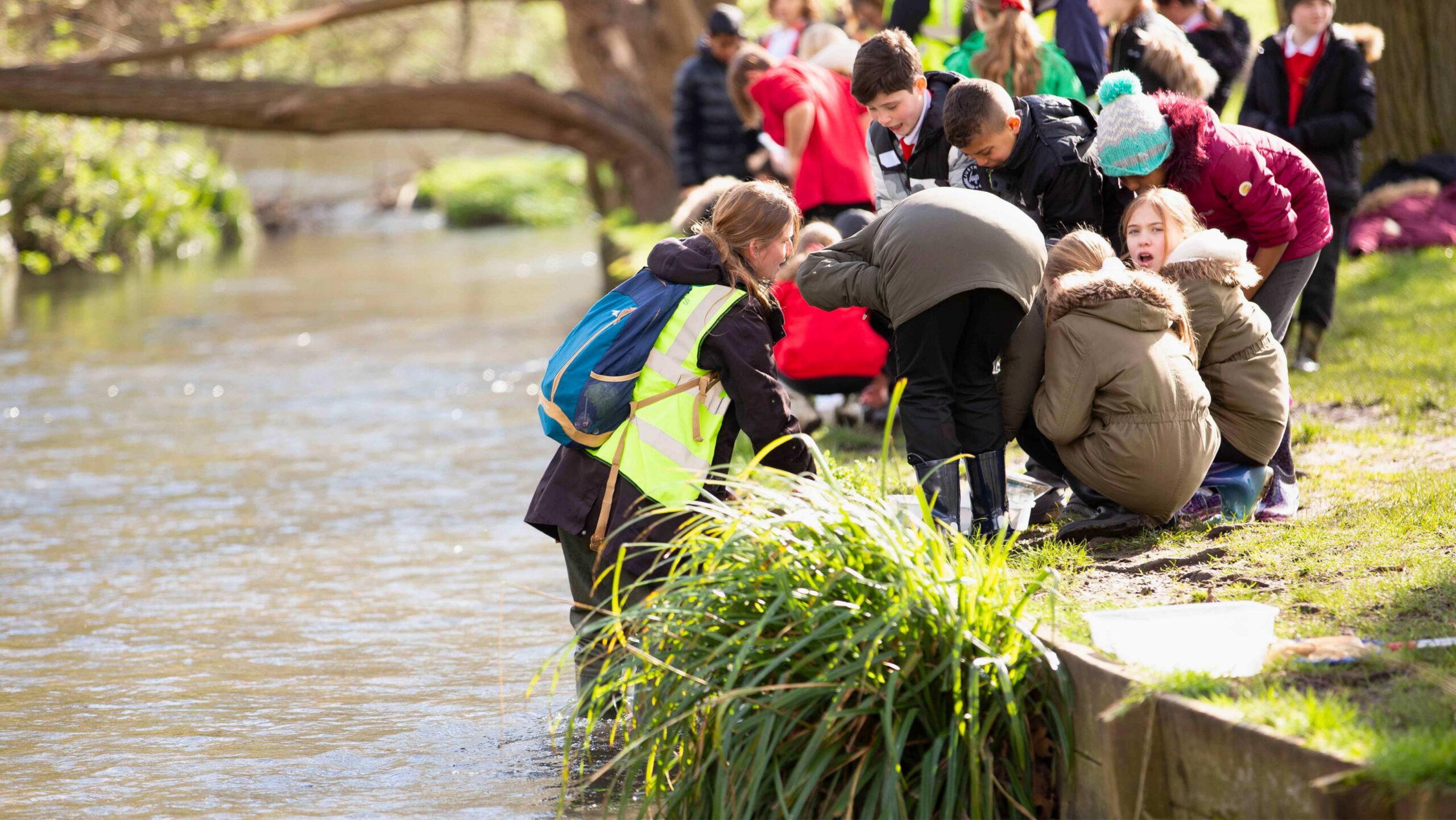
Project Kingfisher connects children with their local river through engaging, hands-on learning experiences in and around the classroom.
If you’ve spotted pollution or an environmental problem on a waterway, please report it directly to the Environment Agency via GOV.UK or call their 24/7 incident hotline on 0800 80 70 60.
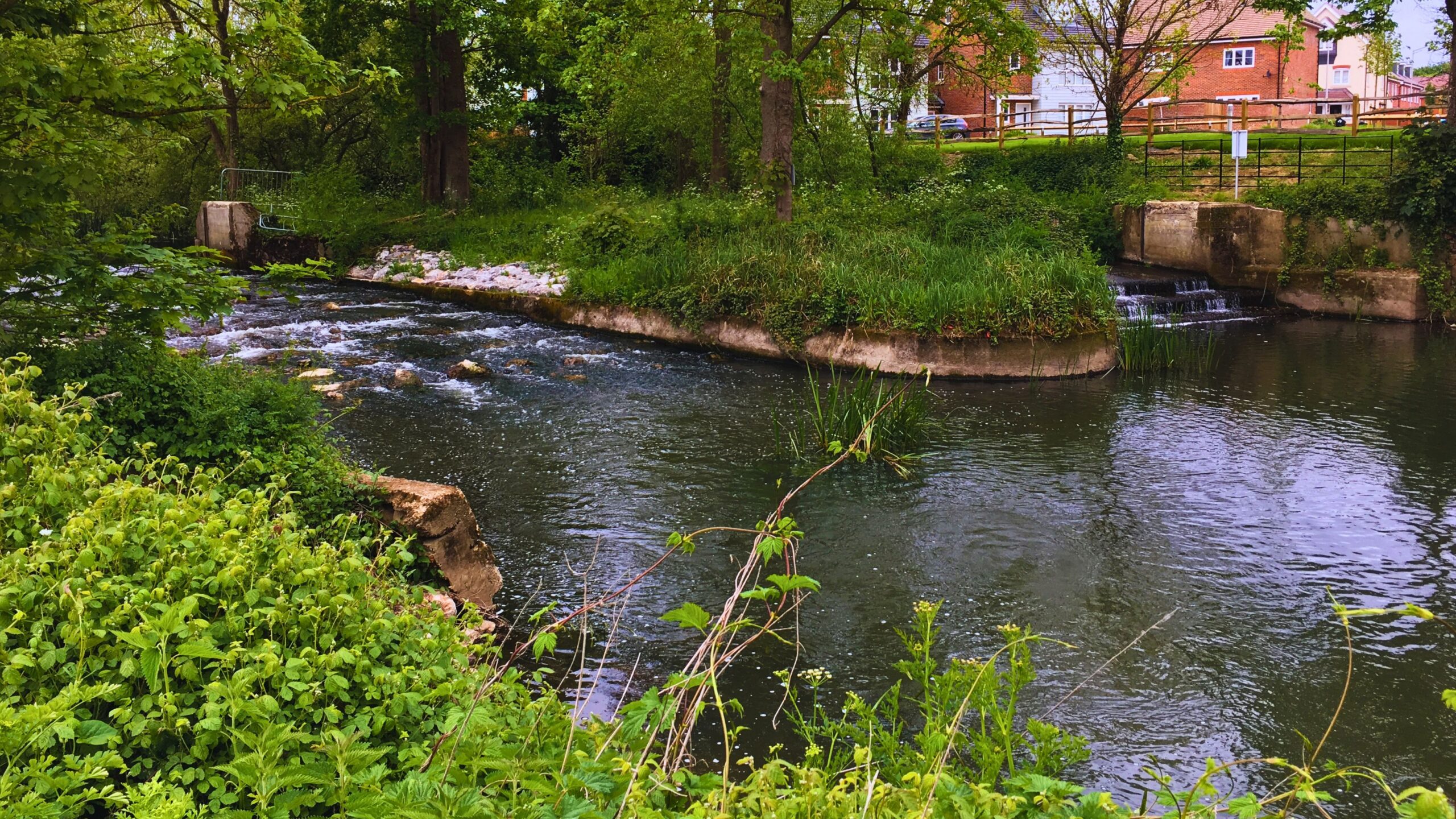
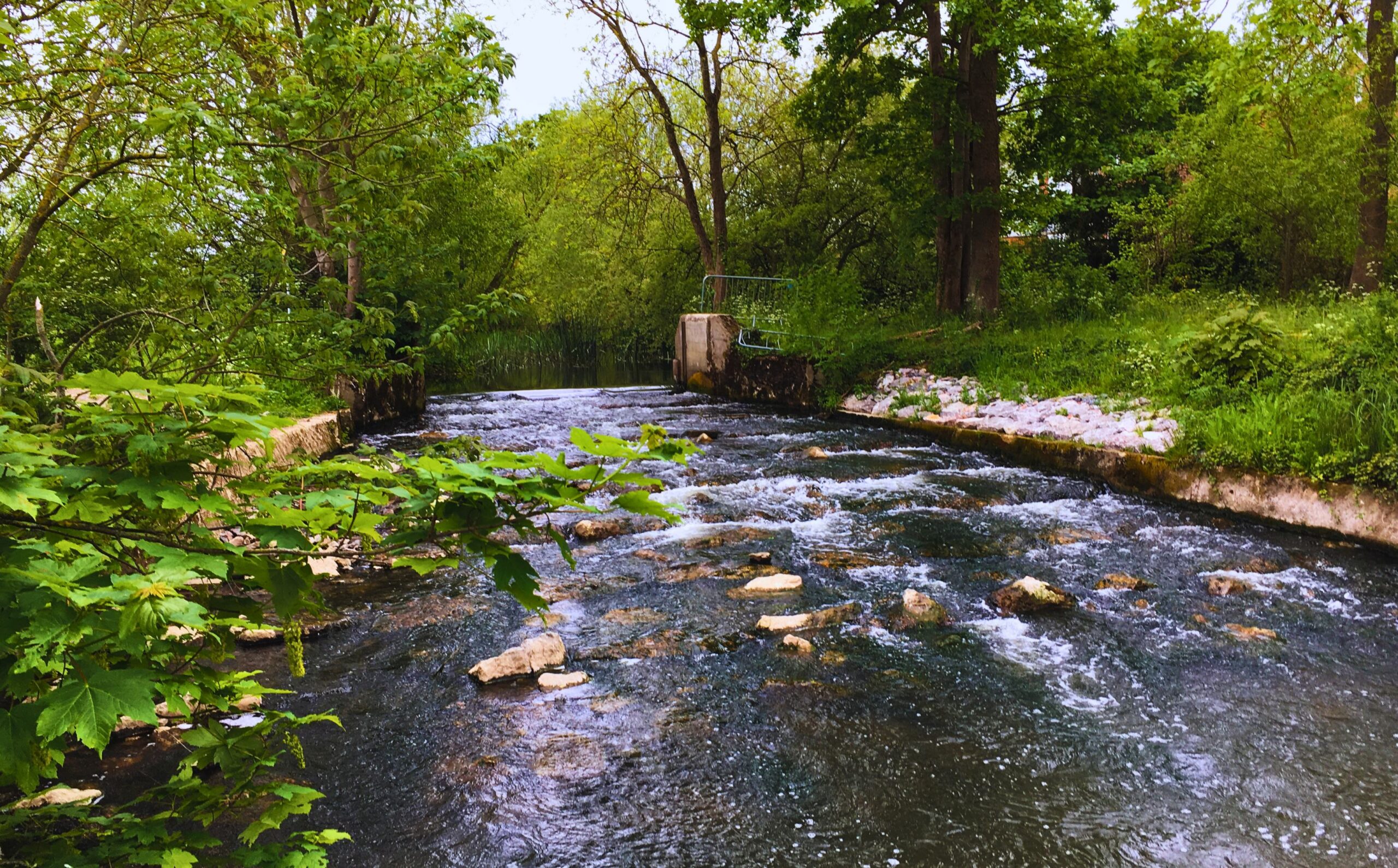
The River Loddon flows through Hampshire, Surrey and Berkshire, connecting chalk streams, lowland river valleys, towns and wildlife-rich habitats. We’re working with partners to restore this diverse catchment for people and nature.
The River Loddon rises at Basingstoke and flows north until it reaches the River Thames just west of Wargrave.
The Loddon is joined by many tributaries, including the Blackwater, which rises in Aldershot. Other significant tributaries include the Lyde, Whitewater, Hart and Bow Brook.
The wider catchment covers parts of Hampshire, Surrey and Berkshire. It includes rural landscapes as well as urban centres such as Basingstoke, Aldershot, Farnborough, Fleet, Bracknell, Wokingham and the outskirts of Reading.
This makes the Loddon a diverse catchment, shaped by chalk streams, lowland river valleys, towns, villages and important green spaces.
The River Loddon and its tributaries support a rich mix of habitats and wildlife.
The upper reaches of the Loddon, along with parts of the Lyde and Whitewater, are chalk streams. These rare rivers are fed by chalk-filtered water and can support specialist plants, invertebrates and fish.
The catchment is also home to wildlife-rich places including Loddon Nature Reserve and Dinton Pastures Country Park. A stretch of the Loddon near Stanford End Mill, together with nearby hay meadows, is designated as a Site of Special Scientific Interest.
Fish found in the river include barbel, chub, dace, perch, bream and brown trout. These species depend on healthy river habitats, good water quality and more natural river processes.
Like many rivers, the Loddon faces pressures from pollution, habitat loss, flooding, drought and impacts on fisheries.
These challenges affect water quality, wildlife and the natural processes that help rivers function well. Chalk stream sections are especially sensitive to changes in water quality, flow and habitat condition.
By working across the whole catchment, we can help restore habitats, improve river health and build a more resilient future for wildlife and communities.
We host the Loddon Catchment Partnership, bringing together organisations and stakeholders who can help improve the health of the river and its tributaries.
Our work across the catchment includes restoring river habitats, supporting chalk stream recovery, tackling pollution, improving resilience to flooding and drought, and helping communities connect with their local rivers.
We host the Loddon Catchment Partnership, bringing together organisations and stakeholders to help restore the River Loddon and its tributaries. Visit the Storymap to learn more about the catchment, the challenges it faces and how partners are working together to improve it for people and wildlife.