About the River Rother
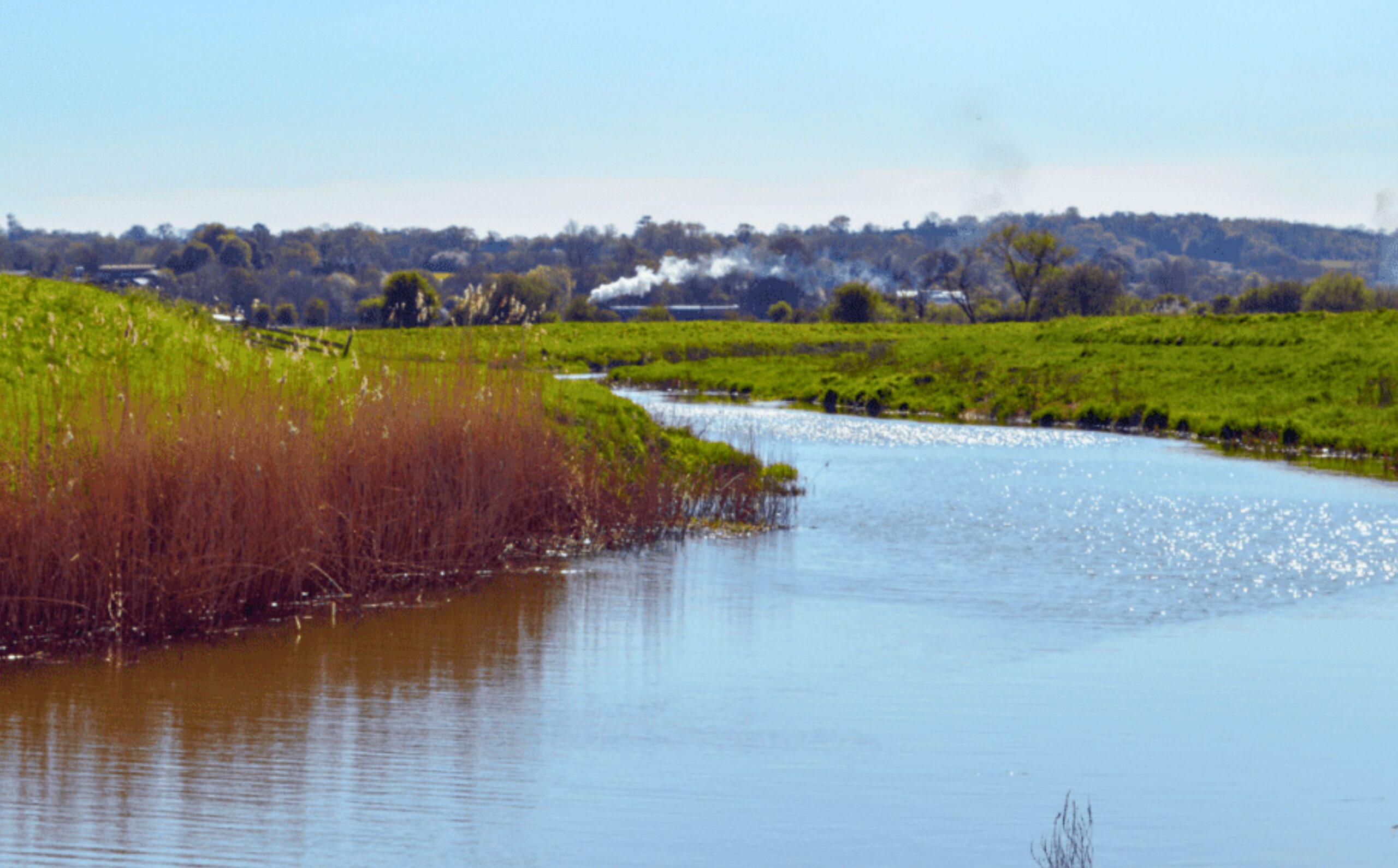
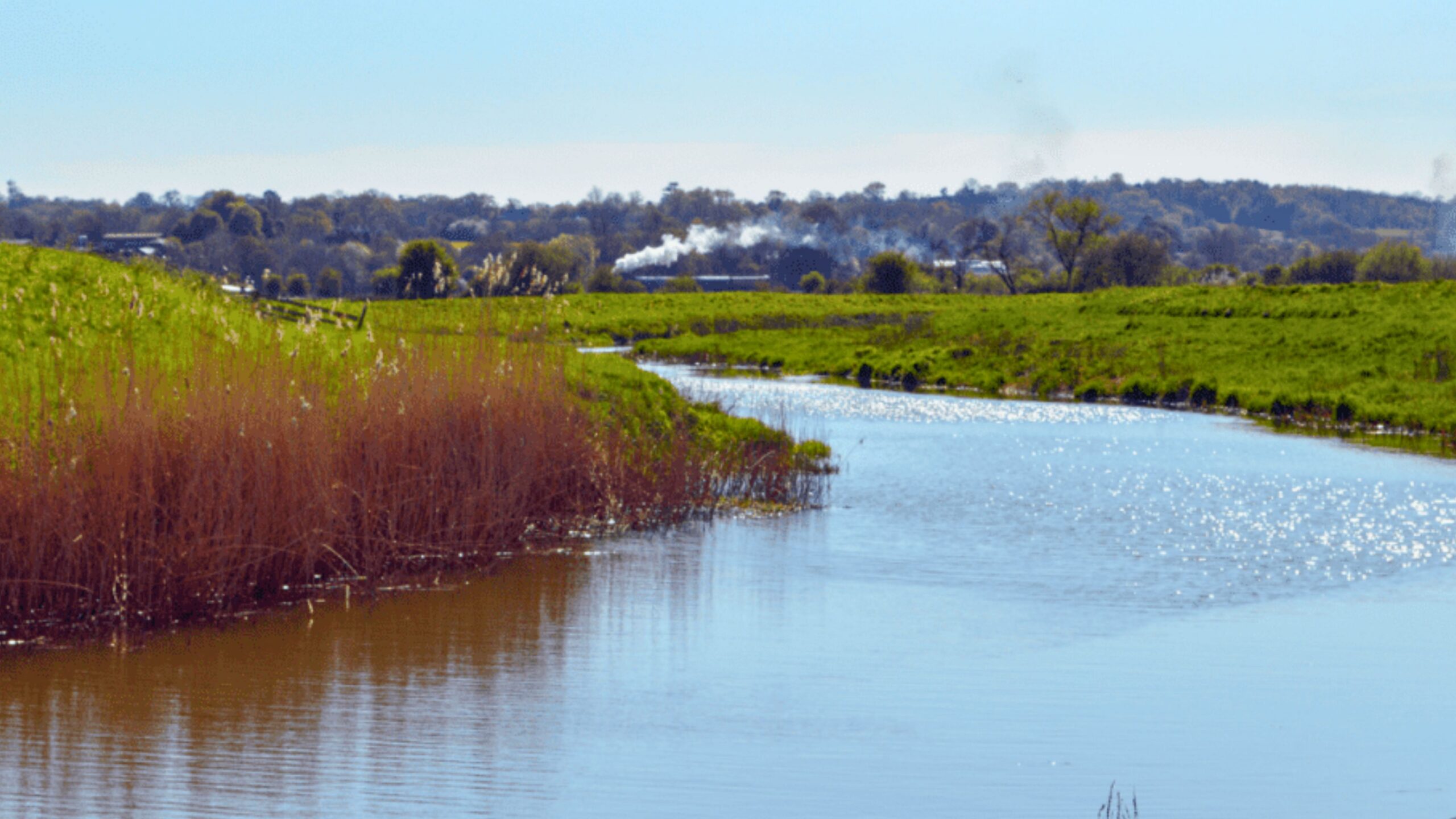
The River Rother begins at several springs near Rotherfield in East Sussex. It flows for around 35 miles through East Sussex and Kent before reaching Rye Bay and the English Channel.
The river crosses two contrasting landscapes. Its upper reaches flow through the wooded hills and valleys of the High Weald, while its lower reaches pass through the low-lying landscape around Romney Marsh.
The course of the river has changed significantly over time. It once flowed around the northern edge of the Isle of Oxney and reached the sea at New Romney. Following changes caused by storms and human intervention, the river was diverted and extended along its present route towards Rye.
Why the River Rother matters
The River Rother has been used for navigation since Roman times and remains an important part of the landscape’s history and character.
Today, small boats travel along parts of the river, while its countryside, riverside vegetation and wetlands provide opportunities for people to enjoy nature and the outdoors.
The river supports fish including carp, bream, tench, rudd, roach, perch, chub, pike and European eels. Improvements to the river and surrounding habitats have also supported the return of otters.
Near Rye, the Rother is joined by the River Brede before flowing into Rye Harbour. The harbour and surrounding coastal wetlands form an important wildlife site, supporting breeding and migrating birds alongside a rich variety of plants and animals.
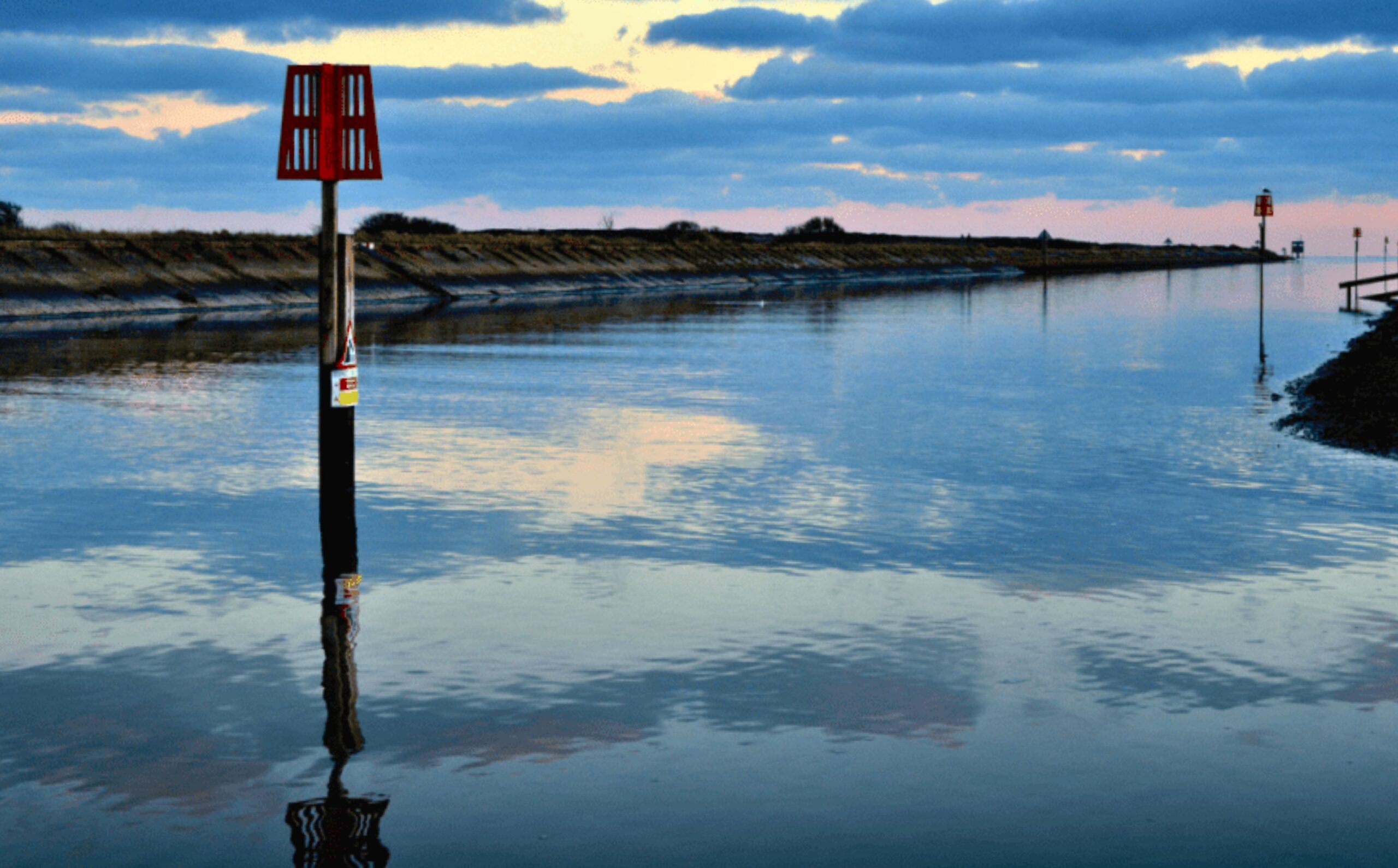
The River Rother © Paul Turner
Challenges facing the River Rother
The River Rother faces pressures from pollution, modified habitats, flooding and impacts on fish populations.
Historic changes have disconnected parts of the river from their natural floodplains, while barriers can restrict the movement of fish and other wildlife. Pollution from rural and urban areas can also affect water quality and river health.
By working across the whole catchment, we can restore habitats, improve natural river processes and build a more resilient landscape for wildlife and communities.
Our work on the River Rother
We host the River Rother Catchment Partnership, bringing together organisations, landowners and communities with an interest in the health of the river and its wider landscape.
Our work focuses on restoring river and wetland habitats, improving fish passage, reducing pollution and using natural processes to help manage water and flood risk.
By sharing evidence, expertise and local knowledge, the partnership can develop joined-up solutions that benefit the entire river system.
Discover the River Rother Catchment Partnership
Learn more about the River Rother catchment, the pressures affecting its waterways and how organisations, landowners and communities are working together to restore it for people and wildlife.