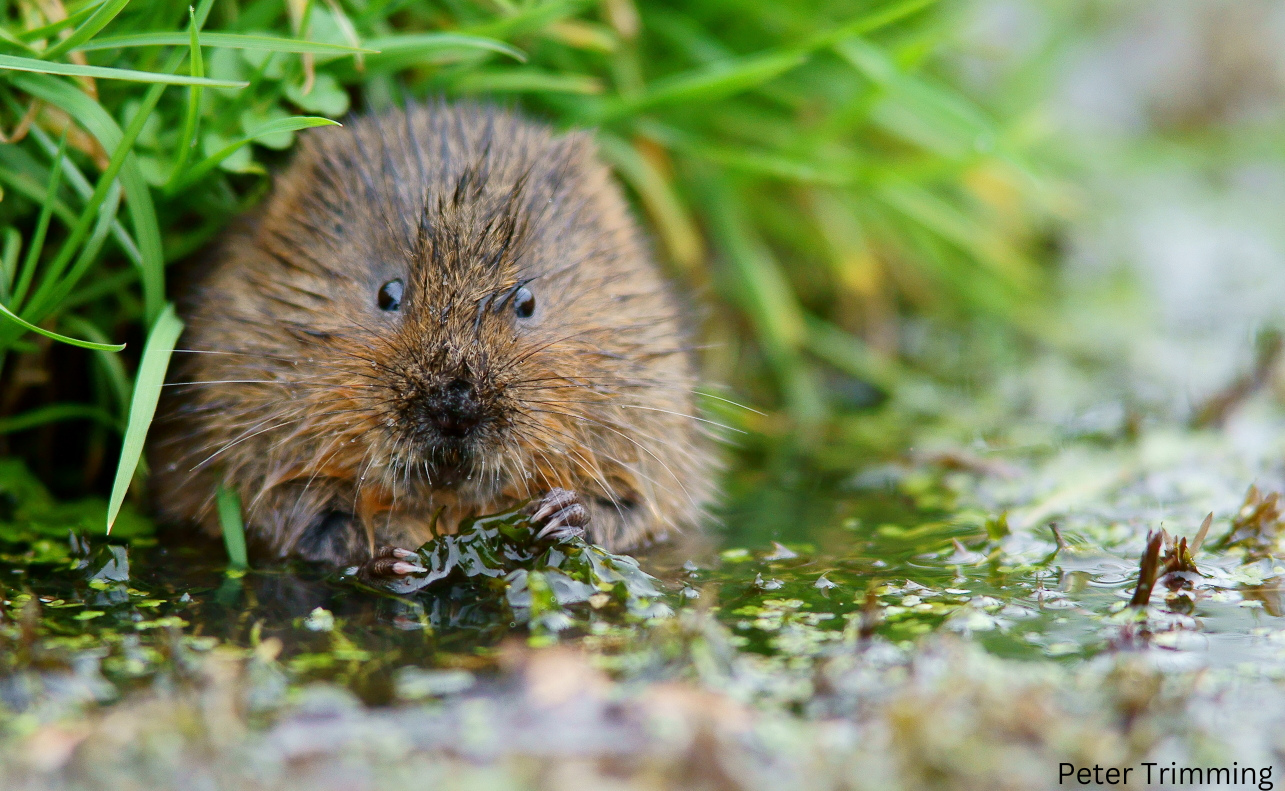
Water voles return to the River Wey after 20 years
Water voles return to the River Wey after 20 years.
If you’ve spotted pollution or an environmental problem on a waterway, please report it directly to the Environment Agency via GOV.UK or call their 24/7 incident hotline on 0800 80 70 60.
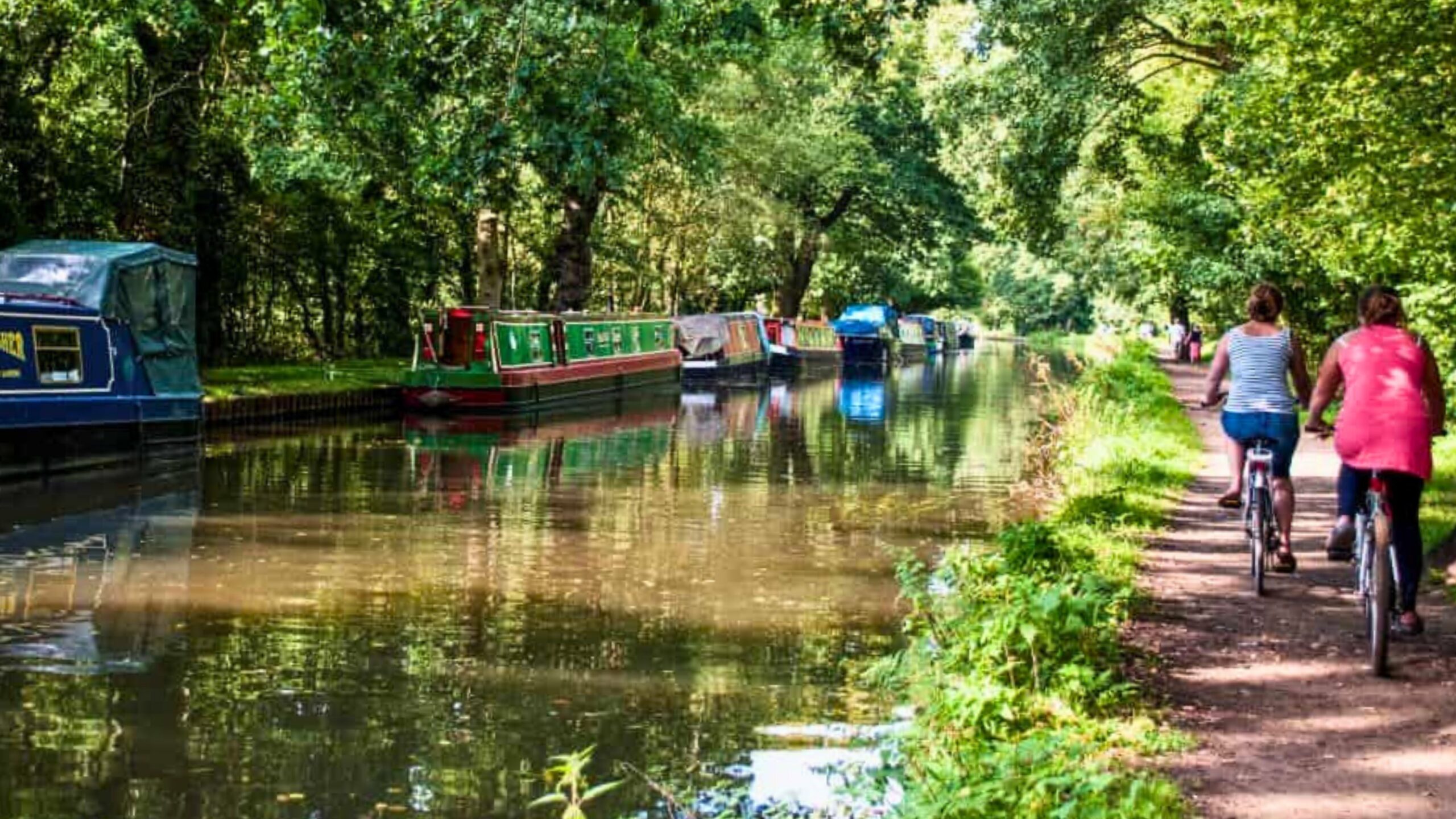
The River Wey flows from Hampshire and West Sussex through Surrey to the Thames, connecting woodlands, water meadows, towns and historic waterways. We’re working with partners to restore this diverse river system for people and wildlife.
The River Wey is formed by two main branches: the North Wey and the South Wey.
The North Wey rises near Alton in Hampshire before flowing through Upper Froyle, Bentley and Farnham. The South Wey rises near Haslemere in West Sussex.
The two branches meet at Tilford in Surrey. From there, the river flows towards Godalming and Guildford, through the Surrey Hills National Landscape, before joining the River Thames at Weybridge.
Along its route, the Wey connects rural landscapes, towns, villages and important green spaces across Hampshire, West Sussex and Surrey.
The Wey Valley includes a rich variety of habitats, including woodland, heathland, wetland and water meadow.
Some areas have national protection for their wildlife. The Wey Valley Meadows Site of Special Scientific Interest supports species including snipe, lapwing and kingfishers.
The River Wey also has an important place in the area’s history. It was one of the first rivers in England to be made navigable, opening to barge traffic in 1653.
The Wey and Godalming Navigations created a route between Godalming and the Thames, allowing goods to be transported to London. Today, the waterways and towpaths provide opportunities for walking, boating and enjoying nature.
The River Wey faces pressures from pollution, flooding and modified or degraded habitats.
Development and changes in land use can affect how quickly water reaches the river and what it carries with it. Historic structures and changes to the river channel can also reduce habitat diversity and interrupt natural river processes.
By working across the whole catchment, we can improve habitats, support cleaner water and help the landscape manage water more naturally.
We co-host the River Wey Catchment Partnership with Surrey Wildlife Trust, bringing together organisations, landowners and communities with an interest in the river’s health.
Our work across the catchment focuses on restoring rivers and wetlands, improving habitats, reducing pollution and building resilience to flooding.
By sharing evidence, expertise and local knowledge, the partnership can develop coordinated projects that benefit the river, wildlife and surrounding communities.
Explore the River Wey catchment, learn about the pressures affecting its waterways and discover how organisations, landowners and communities are working together to restore it for people and wildlife.